
I spent 12 minutes every morning staring at a full closet, feeling like I had nothing to wear. That changed when I cut my wardrobe to exactly 20 items. Here is what happened, and the exact system I used.
Why 20 Items? The Math Behind the Decision
A typical work wardrobe of 50+ pieces creates 1,225 possible outfit combinations. That is too many choices. Decision fatigue sets in before 8 AM.
Twenty items produce 190 combinations. Still plenty, but manageable. The brain picks faster when options are limited. A 2012 study in the Journal of Consumer Research found that shoppers bought more when shown 24 jams versus 124. More choice = less action. Same logic applies to getting dressed.
My rule was simple. Only keep pieces that work with at least three other items in the closet. If a shirt only matched one pair of pants, it left.
The result: I cut morning prep from 12 minutes to 3. No more holding shirts against trousers and squinting. Every combination works.
The Exact 20-Item List

This wardrobe works for a business-casual office. Adjust based on your dress code. The key is the ratio: 70% neutral base pieces, 30% accent items.
| Category | Items | Specific Picks |
|---|---|---|
| Jackets & Blazers | 2 | Navy blazer (SuitSupply Havana), grey tweed sport coat (J.Crew) |
| Pants | 4 | Charcoal wool trousers (Theory), khaki chinos (Bonobos), dark denim (Levi’s 511), olive cotton pants (Everlane) |
| Shirts | 5 | White oxford (Brooks Brothers), blue button-down (Charles Tyrwhitt), light blue linen (Uniqlo), grey chambray (Taylor Stitch), white poplin (Kamakura) |
| Knits & Sweaters | 3 | Navy merino v-neck (Uniqlo), grey cashmere crew (Naadam), cream cotton crew (Everlane) |
| Shoes | 3 | Dark brown derbies (Loake 1880), white minimal sneakers (Common Projects Achilles), black chelsea boots (Blundstone #500) |
| Outerwear | 1 | Beige trench coat (London Fog) |
| Accessories | 2 | Navy grenadine tie, brown leather belt (Orion Leather) |
Total: 20 items. Shoes and outerwear count. Underwear, socks, and gym clothes do not.
The Three Mistakes People Make When Building a Capsule
I made all of them. You can skip them.
Mistake 1: Buying cheap to fill the gaps. A $30 blazer from a fast-fashion brand looks wrinkled by lunch. The SuitSupply jacket cost $400, but it has held its shape for three years. Cost per wear: about 36 cents. The cheap blazer would cost 50 cents per wear if it lasted one season. It did not. Buy fewer pieces, buy better ones.
Mistake 2: Ignoring your actual dress code. If your office requires ties, a wardrobe with zero ties is useless. Be honest about what you wear. I kept a pair of chinos I had not touched in six months. They were the first to go.
Mistake 3: Going too neutral. All grey and navy is safe but dull. The cream sweater and olive pants add visual interest without screaming. One pop of color or texture per outfit is enough.
How the Morning Routine Actually Changed
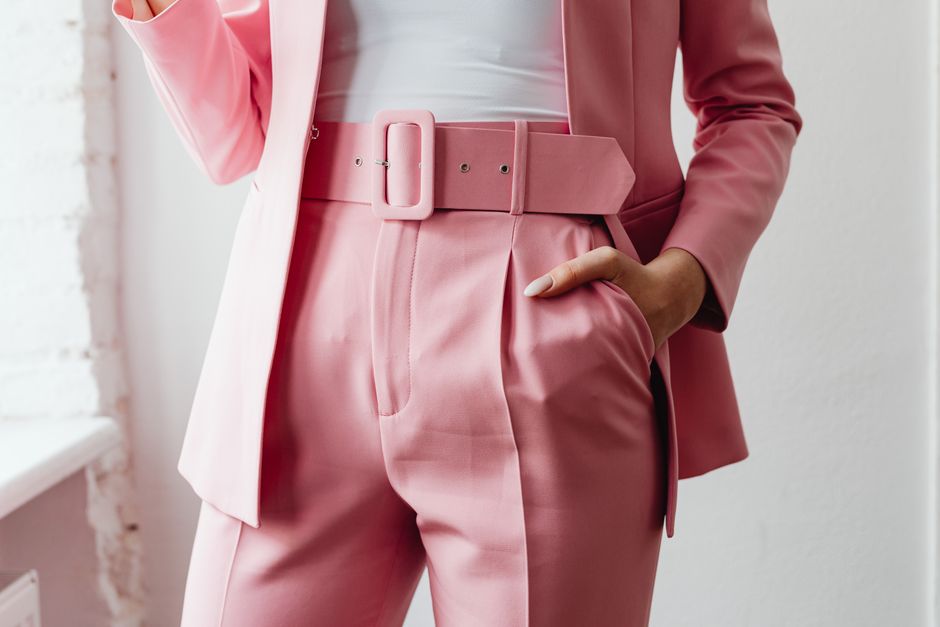
Before the purge, I cycled through three stages: panic, compromise, regret. Panic because nothing felt right. Compromise because I was late. Regret because the outfit never looked as good as I hoped.
Now the routine is mechanical. Grab any shirt, it matches any pant. Add a jacket or sweater depending on the temperature. Shoes are either derbies or boots — no agonizing over sneakers versus loafers. Done.
The hidden benefit: laundry. With fewer items, I wash more often. But each load is smaller. And because everything is quality, it comes out of the dryer looking better. The cheap shirts from my old wardrobe pilled after three washes. The Brooks Brothers oxford has survived 50+ cycles.
I also stopped buying clothes impulsively. If I want something new, one old item must leave. That rule has killed more bad purchases than any budget spreadsheet.
When a 20-Item Wardrobe Does Not Work
This system is not for everyone. If your job involves frequent client dinners, black-tie events, or outdoor work, you need more pieces. A lawyer arguing in court needs multiple suits. A construction manager needs durable workwear. This is for the person who sits at a desk, meets colleagues, and wants to look put together without thinking about it.
Another edge case: if you hate repetition. Some people genuinely enjoy picking a different outfit every day. That is fine. This system is for people who see clothes as tools, not entertainment.
Seasonal swaps are allowed. I swap the linen shirt and cream sweater depending on the season. The total stays at 20, but three or four items rotate. That keeps the wardrobe functional year-round without expanding the count.
How to Build Your Own 20-Item Wardrobe in One Weekend

Step one: pull everything out of your closet. Yes, everything. Lay it on the bed. Sort into three piles: keep, maybe, trash. The keep pile gets the strict test: does it fit, is it in good condition, and does it match at least three other items?
Step two: count your keep pile. If it is over 20, make cuts. Hard cuts. If a shirt has a frayed collar, it goes. If pants are too tight, they go. Be ruthless. You can always buy a replacement later.
Step three: identify gaps. My list above is a starting point. You might need more ties or fewer sweaters. Go shopping with a list. Buy the best version of each piece you can afford. The Common Projects sneakers cost $400, but they last five years. The Uniqlo merino sweater costs $50 and holds up for two seasons. Both are worth it for their price point.
Step four: wear the system for 30 days. Do not buy anything new. At the end, adjust. Maybe you need one more pair of shoes. Maybe you can drop a jacket. The goal is not perfection — it is a system that makes your mornings easier.
My mornings are now 9 minutes shorter. That is 54 hours a year. I spend them sleeping.