Americans bought 68 garments per person in 2026. The average item got worn 7 times before being discarded or forgotten. I stopped buying fast fashion for 12 months. Not because I’m noble. Because my closet was full of clothes I didn’t like, and I wanted to know if the alternative was actually cheaper or just more expensive with better marketing.
Here’s what the numbers showed.
The Real Cost Per Wear Nobody Calculates
Fast fashion feels cheap because the price tag is low. A $25 dress from H&M reads as a bargain. A $180 dress from a mid-tier brand reads as a splurge. But that math ignores how many times you actually wear each item.
I tracked every garment I wore for 12 months. The results were uncomfortable.
| Item | Purchase Price | Times Worn in 1 Year | Cost Per Wear |
|---|---|---|---|
| H&M polyester blouse | $24.99 | 3 | $8.33 |
| Zara knit sweater | $49.90 | 5 | $9.98 |
| Everlane cotton crewneck | $88 | 41 | $2.15 |
| Eileen Fisher linen pants (resale) | $62 | 28 | $2.21 |
| Patagonia fleece (bought 2019) | $139 | 67 | $2.07 |
The $25 blouse cost me more per wear than the $139 fleece. By a factor of four. The blouse also started pilling after the third wash. The fleece looks the same as the day I bought it.
This isn’t a moral argument. It’s arithmetic. Cost per wear is the only metric that matters if you’re trying to spend less money on clothing over time.
Why Cheap Clothes Get Worn Less
I didn’t avoid the H&M blouse because I was making a statement. I avoided it because it didn’t fit right after one wash. The seams pulled. The fabric felt clammy against my skin. Polyester doesn’t breathe, and it holds odor even after washing.
Meanwhile, the cotton crewneck got worn weekly because it still fit, still felt comfortable, and didn’t require special care. The difference wasn’t brand loyalty. It was fiber content and construction quality.
Natural fibers like cotton, linen, wool, and Tencel outperform polyester and acrylic on breathability, odor resistance, and longevity. That’s not opinion. That’s material science.
What I Bought Instead (And What I Actually Paid)
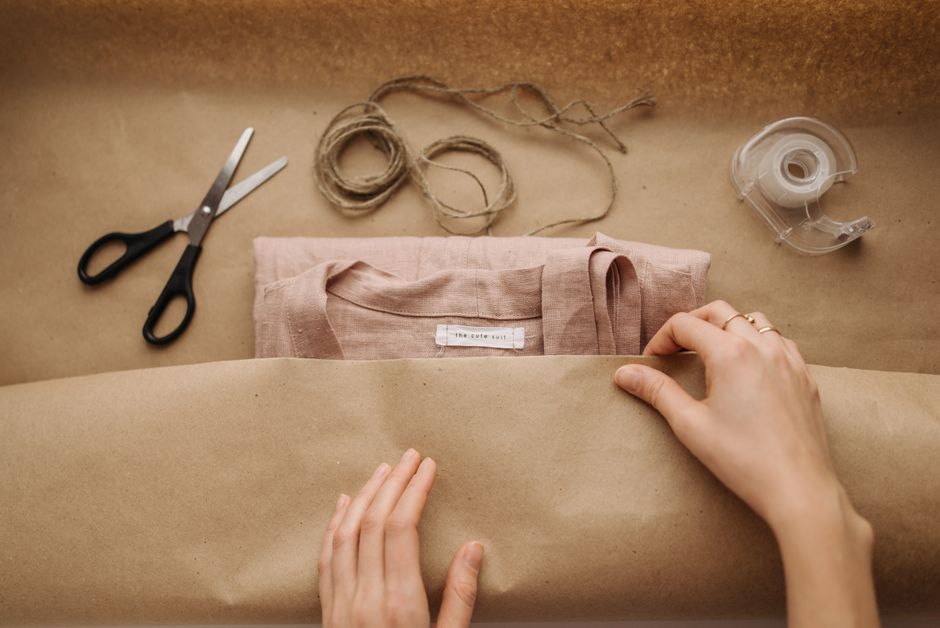
I didn’t go cold turkey into a $500-per-shirt artisan wardrobe. I had a budget: $150 per month, same as I’d been spending on fast fashion. Here’s where the money went.
- Depop and Poshmark: 60% of my purchases. I bought a $62 pair of Eileen Fisher linen pants, a $45 Everlane silk blouse, and a $38 Patagonia Better Sweater, all secondhand.
- ThredUp: 20% of purchases. Best for basics like cotton tees and denim. Filter by fabric type and condition.
- Direct from brands during sales: 20%. I bought one full-price item all year: a $98 wool beanie from a small maker. Everything else was end-of-season clearance.
Total spent in 12 months: $1,310. The year before, I spent $1,847 on fast fashion. I bought 14 items instead of 52. I wore every single one at least 10 times in the first three months.
The resale market is the cheat code here. A $200 Eileen Fisher linen dress sells for $60-80 on Poshmark with years of life left. A $40 Zara dress sells for $8, if it sells at all.
Brands That Hold Resale Value
Some brands actually retain value. Others don’t. If you’re buying with an exit strategy, these matter.
- Patagonia: Holds 50-70% of retail on resale. The brand’s repair program and lifetime guarantee keep demand high.
- Eileen Fisher: Holds 30-50%. The brand’s own Renew program buys back used pieces, which creates a resale floor.
- Everlane: Holds 25-40% for basics in neutral colors. Seasonal colors drop faster.
- Zara, H&M, Shein: Holds 5-15%. Most items don’t sell at all on resale platforms.
If you buy a $50 Zara sweater, you’re spending $50 with no recovery value. If you buy a $50 Patagonia fleece on Depop, you can probably sell it for $35 in two years. The net cost is $15. That’s the math fast fashion doesn’t want you to do.
Failure Modes: What Went Wrong
This experiment wasn’t clean. I made mistakes. You will too. Here’s what to watch for.
Mistake 1: Buying Secondhand Without Measurements
I bought a pair of pants on Poshmark that the seller listed as “size 8, fits true to size.” They were a size 8 from 2012. Vanity sizing has shifted. They fit like a current size 4. I couldn’t return them. I lost $40.
Fix: Ask for actual garment measurements before buying. Waist laid flat, inseam, rise. If the seller won’t provide them, walk away.
Mistake 2: Confusing “Sustainable” With “Good”
Some brands charge a premium for sustainability marketing while cutting corners on construction. I bought a $120 “eco-friendly” t-shirt that developed holes in 4 months. The fabric was organic cotton, but the stitching was single-needle and weak.
Fix: Look at construction details, not just fabric content. Double-needle stitching at seams. Reinforced stress points. A garment that’s well-made lasts regardless of its sustainability claims. A poorly made garment is waste no matter what it’s made from.
Mistake 3: The Thrift Store Time Sink
Thrifting in person takes time. I spent 3 hours in a Goodwill and found exactly one item worth buying. At minimum wage, that’s $45 of my time for a $12 shirt. The economics don’t work unless you enjoy the hunt.
Fix: Online resale platforms with filters are faster. Filter by brand, size, fabric, and condition. You’ll pay slightly more than in-person thrifting, but you’ll save hours.
What I Learned About Fabric That Changed Everything
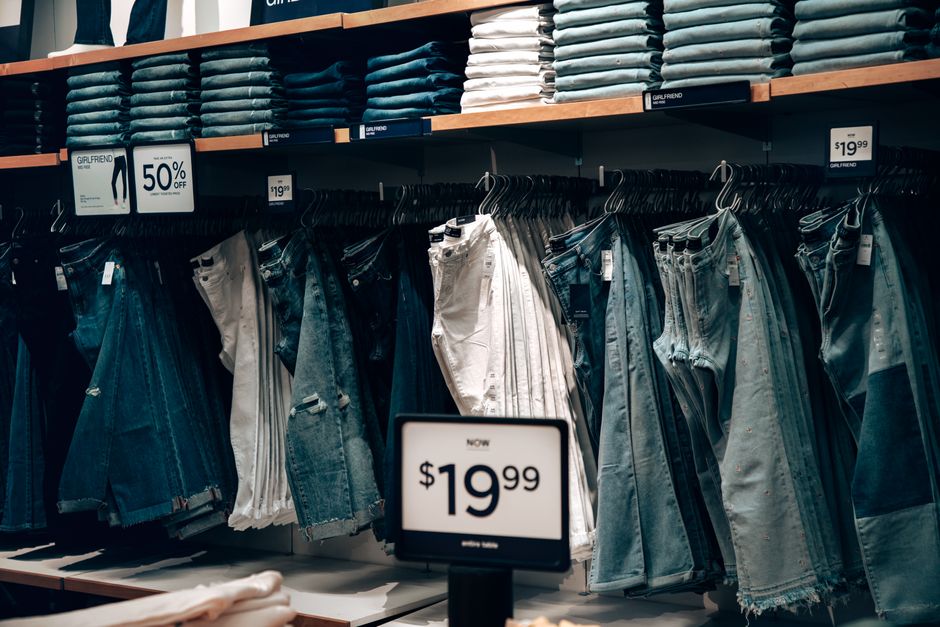
Before this year, I couldn’t tell you the fiber content of a single item I owned. Now I check every label. Here’s what I learned.
Polyester is plastic. It’s made from petroleum. It doesn’t breathe. It holds odor. It sheds microplastics every time you wash it. It’s in 60% of fast fashion garments because it’s cheap, not because it’s good.
Cotton quality varies wildly. A $10 cotton t-shirt and a $50 cotton t-shirt can look identical on day one. The difference shows up after 10 washes. Cheap cotton is made from shorter staple fibers, which pill and lose shape faster. Long-staple cotton like Pima or Supima holds up for years.
Wool is underrated. Merino wool regulates temperature, resists odor, and lasts decades if cared for. Yes, it costs more upfront. A good merino sweater is $150-200. But it’ll outlast 10 $30 acrylic sweaters and look better the whole time.
Linen gets better with age. Unlike most fabrics that degrade, linen softens and improves with washing. A $100 linen shirt worn 50 times has a lower cost per wear than a $20 polyester shirt worn 4 times.
If you learn one thing from this article, learn to read a garment label. Fiber content predicts longevity better than price or brand.
When You Should Still Buy Fast Fashion
I’m not going to tell you fast fashion is evil and you should never buy it. That’s not true, and it’s not helpful. There are situations where fast fashion is actually the rational choice.
Maternity clothes. You need clothes for 6-9 months. Spending $200 on a “sustainable” maternity dress you’ll wear 20 times makes no sense. Buy the $40 H&M maternity dress. Donate it when you’re done.
Trend pieces you’ll wear once. A sequin top for New Year’s Eve. A themed party outfit. A vacation wardrobe for a one-time trip. Spending premium money on these is wasteful. Buy cheap, wear it, move on.
Kids’ clothes. Children outgrow clothes in months. They destroy everything. Spending $50 on organic cotton toddler pants is a decision you can make if you have the budget, but it’s not a money-saving strategy.
The real problem isn’t buying fast fashion occasionally. It’s buying fast fashion as your default for everything. That’s the habit that drains your bank account and fills landfills.
The Verdict After 12 Months
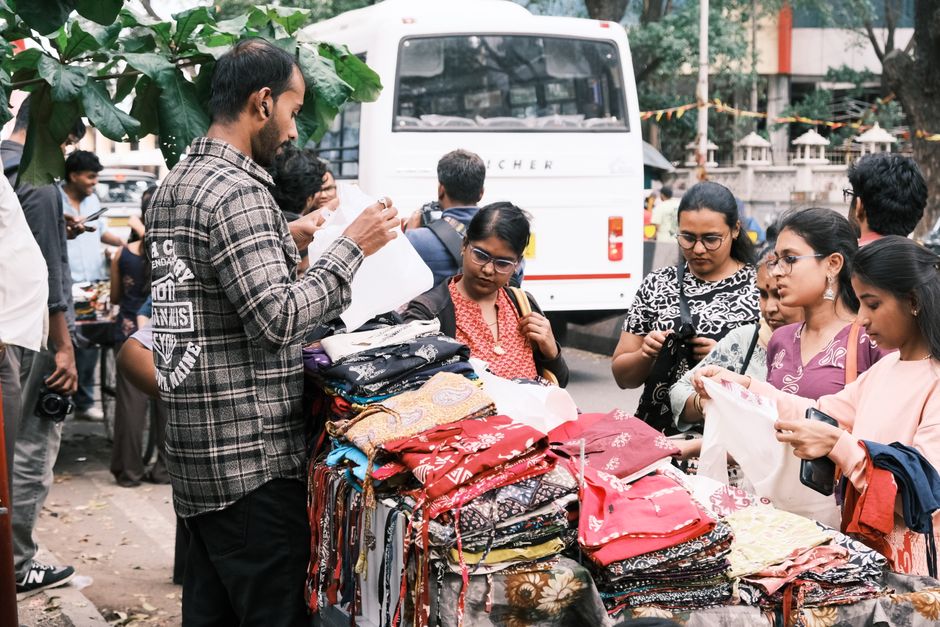
I spent less money. I own fewer clothes. I like every single thing in my closet. Getting dressed takes 2 minutes instead of 15 because everything fits and everything goes together.
The hard part wasn’t the shopping ban. It was unlearning the dopamine hit of buying something new every week. Fast fashion is designed to make you feel like you need new clothes constantly. Breaking that cycle took about 3 months. After that, I stopped wanting to shop.
If you’re thinking about trying this, start with a 30-day buying freeze. Don’t buy anything. Just track what you actually wear. The data will tell you what you need. Then buy less, buy better, and buy secondhand when you can.
That’s it. That’s the whole strategy.