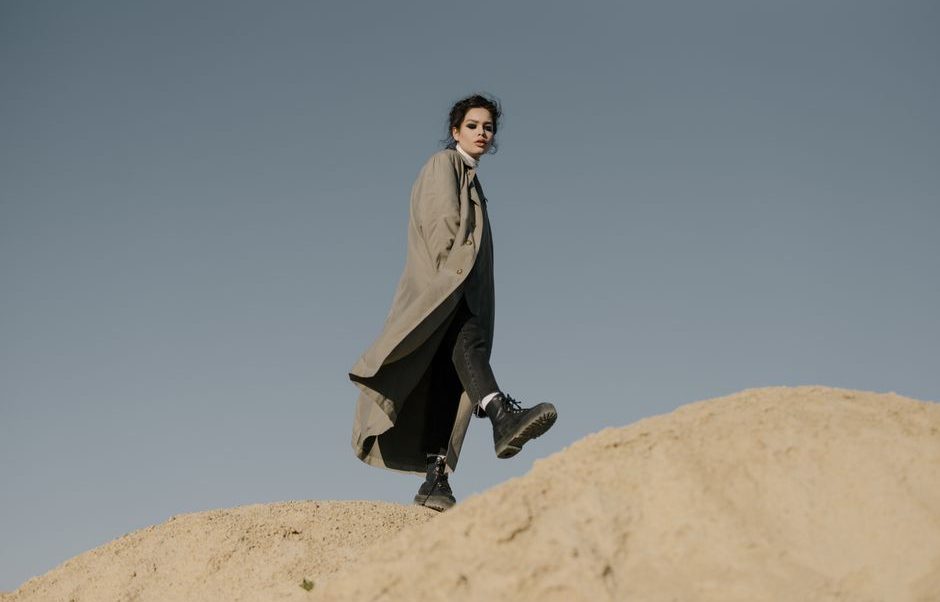
Surprising fact: the classic trench coat is not automatically waterproof. Burberry describes its $2,850 Long Kensington Heritage Trench Coat as shower-resistant, a narrower claim that means light rain rather than hours of hard downpour. That distinction explains most spring outfit failures. The coat may look polished, yet the wrong fabric, tight sleeves, or heavy sweater underneath can leave you cold, damp, or overheated before lunch. This guide treats the trench as a weather-management tool as well as a style piece. Prices and product details were checked against official brand listings in 2026 and can change.
Why spring weather makes trench coats tricky
A trench solves several small problems at once
Spring weather is difficult because the risk changes faster than the outfit. A morning commute can start at 48°F with wind, reach 65°F by noon, and end with rain after sunset. A trench coat gives you a removable outer layer, moderate wind protection, and enough structure to make simple clothing look deliberate. It does not create warmth by itself. The warmth comes from the layers beneath it, while the trench controls wind and light moisture.
That division of labor matters. A cotton or cotton-blend trench usually works best over a shirt, thin knit, or light cardigan. A technical shell works better during sustained rain. A wool coat works better when the temperature stays low. Treating one trench as a winter coat, rain shell, and blazer at the same time creates the wrong expectations.
Water-resistant does not mean waterproof
Water-resistant fabric slows water on the surface. Waterproof fabric, sealed seams, a protective membrane, and a hood designed for coverage provide a higher level of protection. Many stylish trenches use a tightly woven cotton gabardine or a treated synthetic fabric. Those choices shed a short shower but may absorb water at the shoulders, cuffs, seams, and belt after prolonged exposure.
The practical rule is simple: choose a trench for drizzle, brief showers, wind, and city movement. Choose a rain shell for exposed cycling, hiking, or a forecast that shows several hours of heavy rain. A trench can still be your better-looking choice, but the legal-style burden of proof is on the garment description. If the brand says shower-resistant, do not read waterproof into the sentence.
The correct styling principle
Use the trench as the outer boundary of the outfit, then make the inner layers easy to remove. A cotton shirt plus a thin merino sweater is more useful than one thick sweatshirt because you can adjust the insulation without changing the whole look. Leave enough room for movement at the shoulders and elbows. A trench that fits perfectly over a T-shirt may fail over knitwear, which means the garment does not serve its spring purpose.
How to choose a trench coat for rain and temperature swings
Start with the forecast you actually face
Before buying, write down three facts: the lowest temperature you face, the usual rain duration, and how much walking or transit you do. For a 50°F to 65°F city commute with short showers, look for a medium-weight trench with a removable or flexible inner layer. For strong wind, favor a close collar, adjustable cuffs, a storm flap, and a back vent that does not open too widely. For heavy rain, a dedicated shell should take priority over the traditional trench silhouette.
Length changes the result. A coat that reaches mid-thigh protects more of the outfit and works well with trousers, skirts, and dresses. A knee-length style gives stronger coverage but may feel bulky on crowded public transit. A cropped trench looks modern and is easier to sit in, but it leaves more of the body exposed to wind and splashed water.
Use a fit test instead of trusting the size label
Wear the thickest layer you expect to use in spring when trying on the coat. Button it, tie the belt, raise both arms, and sit down. The back should not pull across the shoulder blades. The sleeves should cover the wrist bone when your arms rest naturally. You should be able to pinch roughly 1 to 2 inches of fabric at the chest without making the coat look oversized.
Check the belt position too. A belt that sits above your natural waist can make a long coat look intentional. A belt that falls several inches below it may twist when you walk and pull the front panels out of line. Petite shoppers should check the shoulder width and sleeve length before judging the total coat length. Alterations can shorten sleeves, but changing a structured shoulder costs more and can damage the original balance.
Inspect the details that keep weather outside
Look for a high collar, a secure front closure, deep pockets, adjustable cuffs, and a back vent that closes with a button. These details matter more than decorative epaulettes. A detachable hood can be useful, but it should sit close to the head and leave your peripheral vision clear. A loose hood that blows backward offers little protection.
Do not ignore care instructions. Some coated fabrics lose water repellency after harsh washing. Some cotton trenches require specialist cleaning. The cheapest coat may become the expensive choice if it needs delicate care after every wet commute. The strongest purchase is the one whose maintenance matches your routine.
How to style one trench across a changing spring day
Morning: build a removable warm layer
- Start with a breathable base such as a cotton button-down, fine merino top, or lightweight jersey knit.
- Add one insulating layer, preferably a cardigan or thin crew-neck sweater that can fit under the coat without forcing the sleeves upward.
- Put the trench on last and test the shoulder movement before leaving.
- Wear socks and shoes that can tolerate damp pavement; a polished coat cannot rescue wet feet.
The strongest morning formula is a contrast in weight: a light base, a medium knit, and a structured outer layer. Avoid combining a thick hoodie, chunky sweater, and tailored trench unless the coat has a genuinely relaxed cut. Too much bulk at the neck and shoulders makes the garment look strained and reduces movement.
Midday: remove volume before removing polish
When the temperature rises, take off the knit layer and keep the trench open over the shirt. Push the sleeves only if the lining stays smooth and the cuffs do not bunch. Rolling heavy sleeves can stretch the fabric and make the coat look untidy. A narrow belt tied at the back gives a cleaner shape than a large knot at the front when the coat remains open.
For dresses and skirts, keep the visible hem difference intentional. A dress that extends 2 to 4 inches below the trench can look considered. A hem that barely peeks out can appear accidental, especially with a double-breasted coat. With wide-leg trousers, choose a trench that reaches at least mid-thigh so the proportions do not become top-heavy.
Evening: protect the weak points
Spring evenings expose the parts of an outfit that daytime styling hides. Add a thin scarf at the collar, not a bulky wrap that crowds the lapels. Close the top button or use the throat latch if the wind rises. Keep an umbrella compact enough to fit inside a pocket or work bag, but do not treat it as a substitute for a coat that fits properly at the neck and cuffs.
The practical verdict is clear: a trench looks most polished when every layer has a job. The base layer manages comfort, the knit manages warmth, and the trench manages wind, light rain, and shape.
What is the final verdict for unpredictable spring weather?
The strongest general formula
For a typical city spring with temperature swings, choose a mid-thigh or knee-length trench with enough room for a thin knit, a close collar, adjustable cuffs, a buttoned vent, and a clearly stated water-resistant finish. Style it over removable layers: a breathable shirt in the morning, a fine sweater when the air is cold, and the trench open after the temperature rises. The J.Crew Icon is the best all-round product pick because its price, familiar cut, water-repellent details, and removable hood cover more daily situations than a purely decorative trench.
The boundary of the recommendation
No state laws are discussed on this fashion page because trench coat fit and weather performance are not legal questions. The opening scenario now has a practical answer: when a spring morning begins at 48°F, layer a shirt and light knit under the trench; when lunch reaches 65°F, remove the knit and leave the coat open; when heavy rain arrives, switch to a waterproof shell instead of asking a shower-resistant trench to perform a different job.