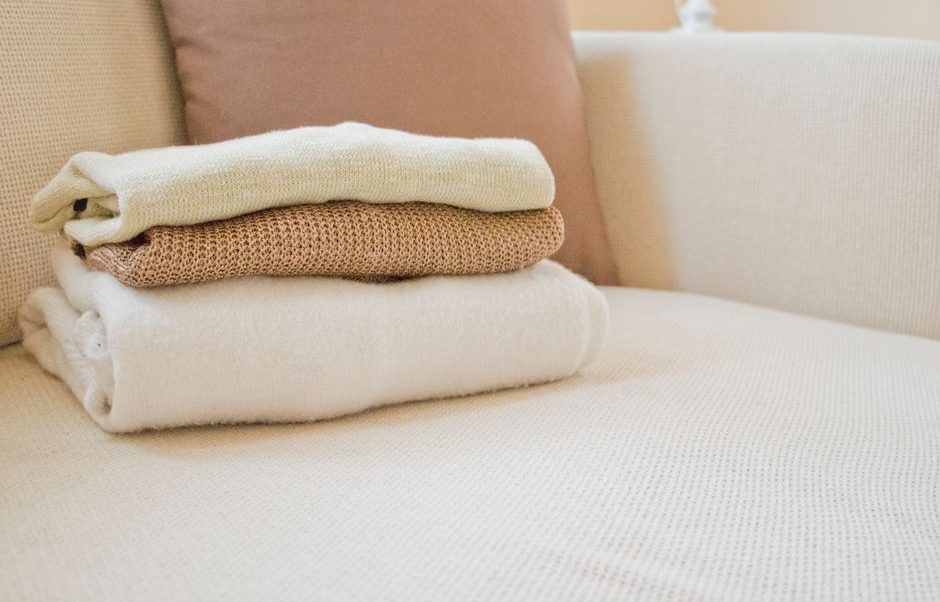
The sweater looked perfect when you bought it. Then one rushed laundry day turned it into a stiff, child-sized shape with sleeves that stopped above your wrists. I have made enough wool-care mistakes to know the main rule: use cool water, gentle movement, and flat drying. The washer is not automatically the enemy, but heat, friction, and careless storage are.
How to Hand-Wash a Wool Sweater Step by Step
Hand washing takes about 15 minutes of active work and removes most of the risk caused by a rough machine cycle. Fill a clean sink or basin first. Never place a dry sweater under a running tap because one section can absorb water and stretch before the rest is wet.
Prepare the bath before the sweater goes in
- Close zippers, remove belts, and turn the sweater inside out.
- Fill the basin with cool water or water around 30°C.
- Add the correct amount of mild wool detergent and mix it into the water.
- Lower the sweater into the bath and press it under the surface.
- Let it soak for 5 to 10 minutes, unless the label says not to soak.
- Press the garment gently several times to move the wash through the knit.
- Drain the basin and rinse with water at the same temperature until the water looks clear.
Remove water without stretching the knit
Do not wring the sweater. Lift it with both hands so the wet weight does not pull the shoulders apart. Support the whole garment, place it on a clean towel, and roll the towel around it. Press the roll firmly with your hands or walk across it in clean socks. Unroll it after a minute, then repeat with a dry towel if the sweater still feels heavy.
That towel step matters more than people think. A soaking-wet sweater can grow several centimeters while you carry it to the drying area. The American Wool care tips recommend pressing water out with towels instead of twisting or wringing the garment.
Flat Drying Is the Step That Saves the Shape
My verdict on hanging wet wool
Never hang a wet wool sweater from a hanger, shower rod, or clothesline. Water adds weight, and that weight pulls the shoulders downward while the body lengthens. The result is the familiar banana shape: narrow at the chest, long at the hem, and marked by bumps where the hanger sat. Flat drying takes more floor space, but it protects the dimensions you paid for.
Shape the sweater before it dries
Spread the damp sweater on a clean, pale towel or a mesh drying rack. Align the shoulder seams, smooth the side seams, and bring the cuffs and hem back to their original width. Measure the chest and body length if the sweater is valuable. Let it dry away from radiators, heated floors, fireplaces, and strong direct sun. Turn it once after several hours if the underside stays damp. A thin merino sweater may dry overnight; a dense cable knit can take 24 to 36 hours.
Drying flat also gives you a chance to catch a problem early. If the body has stretched, gently reduce it to the original outline while it is still damp. If the neckline has pulled out, reshape it before the fibers set. Once fully dry, store it only after checking that the cuffs, collar, and underarms are completely moisture-free.
Which Wool Detergent Should You Use?
My pick is Eucalan No Rinse Delicate Wash for most wool sweaters. The 16.9 fl oz bottle is usually around $14 in the United States, and its concentrated formula is easy to measure. It works well for hand washing because you do not need a long rinse, although I still rinse sweaters that feel heavily scented or especially dirty. The official Eucalan description confirms that it is made for delicate washing and can be used by hand or in a machine.
Best options by budget and preference
Eucalan No Rinse Delicate Wash, about $14 for 16.9 fl oz: Best overall for frequent sweater care. Choose the unscented version if fragrance bothers you. Soak Wash, about $16 for 12 fl oz: Best for knitters who want a simple no-rinse wash and do not need a lanolin-rich formula. Woolite Delicates, about $6.69 for 16 fl oz: Best budget choice when you want something easy to find in a supermarket or large retailer. Its official product page describes it as a gentle liquid for delicate garments. The Laundress Wool & Cashmere Shampoo, about $30 for 16 fl oz: Best premium option if you like a stronger cedar scent and a highly concentrated formula, but it is not necessary for good results.
Ingredients and formulas to avoid
Skip chlorine bleach, oxygen bleach, enzyme-heavy biological detergent, powdered detergent that has not fully dissolved, and ordinary fabric softener. Enzymes designed to break down food and protein stains can be too harsh for wool. Softener can leave a slippery coating that makes fibers move toward the surface and pill. Do not substitute dish soap just because it is mild on plates; its formula and dose are not designed for a wool knit. Use less detergent than you think. A basin full of foam does not mean a cleaner sweater.
How Should You Store Wool Sweaters Between Seasons?
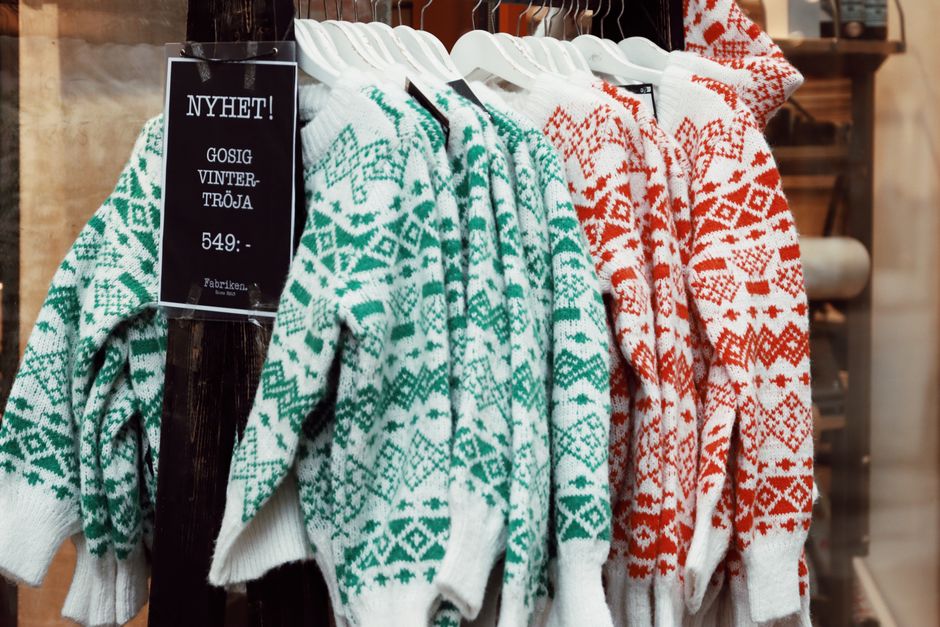
Storage starts when the sweater is clean, dry, and free of food crumbs, skin oils, and perfume residue. Moths are attracted to organic residue, not just dirty-looking clothing. Fold sweaters instead of hanging them, because months on a hanger can create shoulder points and a stretched hem.
Should wool sweaters go in plastic boxes?
Yes, but only when the sweater is completely dry. Fold each piece with tissue paper or a clean cotton layer between heavy knits. Use a breathable cotton storage bag for a closet shelf, or a sealed plastic box for a long summer storage period. Add cedar blocks or lavender sachets if you like the smell, but do not rely on scent alone. Cedar must be refreshed when its smell fades, and it should not touch pale garments if it can transfer oil.
How often should you check stored wool?
Open the box every four to six weeks in warm months. Look for small holes, fine webbing, shed fibers, or larvae cases around seams and pockets. If you find a suspected moth problem, isolate the garment immediately and inspect nearby pieces. Washing alone may not solve an infestation. Follow local pest-control guidance for freezing or professional treatment, and clean the storage area before returning clothing.
What should you do before wearing a stored sweater?
Air it flat for several hours, inspect the collar and underarms, and use a sweater comb only for loose surface pills. Do not yank pills with scissors or your fingers. A quick inspection catches damage while it is still a small repair instead of a hole that runs across the front.
Wool Sweater Mistakes That Ruin Good Knitwear
Stop these habits before the next wash
- Washing after every wear: air the sweater for a day first. Wool resists odor and often needs less washing than cotton.
- Using hot water: keep the temperature cool or follow the label’s 30°C instruction.
- Scrubbing a stain: blot it, treat the spot with a diluted wool-safe wash, and press rather than rub.
- Leaving wet wool in a basket: remove it from the washer or basin immediately to prevent creases and dye transfer.
- Drying on a radiator: direct heat can shrink, stiffen, and distort the knit.
- Hanging the sweater: fold it once it is fully dry.
- Filling a storage box too tightly: compression bends fibers and makes inspection harder.
When you should not buy another wool sweater
Do not buy a delicate wool sweater if you know you will only use a hot wash, a tumble dryer, or a crowded closet. Choose a washable merino blend, cotton knit, or technical fleece instead. That is not a failure of wool; it is an honest match between fabric and routine. For the person willing to wash gently, dry flat, and store folded, wool remains one of the few clothing fibers that can look better after years of regular wear. The best future for wool care is not more complicated laundry equipment. It is fewer washes, better labels, and a small routine repeated correctly every time.