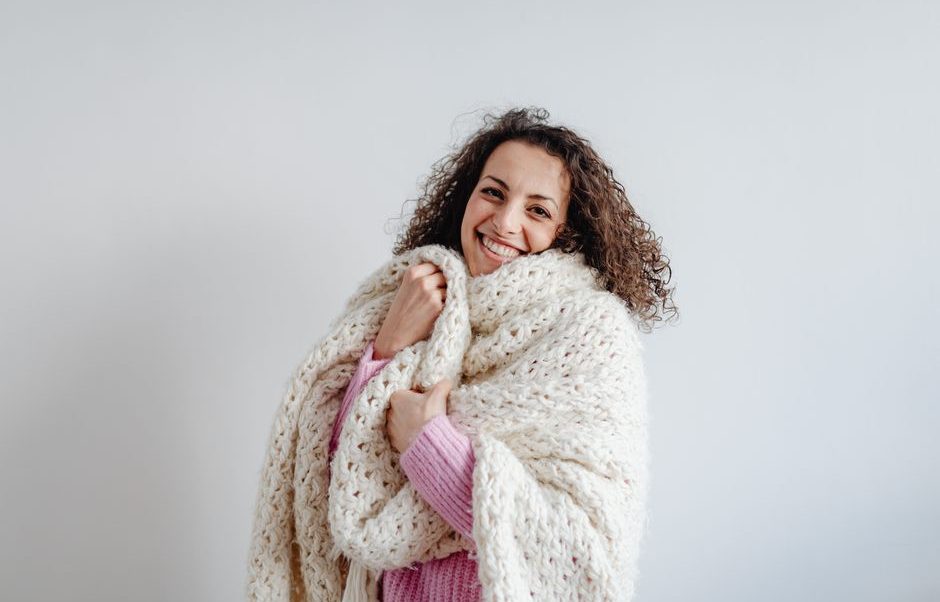
After years of buying knitwear for cold commutes, overheated offices and lazy weekends, I have learned that the softest sweater is not always the warmest or most useful one. The best cozy knitwear earns its space by fitting the way you dress, surviving real care, and solving a specific cold-weather problem.
Why knit gauge matters more than the word chunky
My strongest buying rule is simple: choose knit gauge and fiber before you choose the word chunky. Retailers use chunky as a mood, but it does not tell you how warm, heavy or durable a sweater will feel.
Low gauge means bigger stitches and more air
A 3-gauge or 5-gauge knit uses thicker yarn and larger stitches. It usually looks bold and traps more air, which makes it a strong choice for dry, cold weather. The tradeoff is weight. A very loose sweater can stretch at the elbows, catch on bags and become uncomfortable under a coat. A 7-gauge knit has smaller stitches and usually gives a neater shape while still providing real warmth. Fine 12-gauge merino or cashmere works better for layering because it slides under a jacket without creating a bulky ridge.
Fiber changes the result too. Wool handles moisture better than cotton, while cashmere feels softer but needs gentler care. Acrylic can be affordable and easy to wash, yet some acrylic knits hold odor and develop shiny patches after repeated friction. I would rather own one dense wool sweater than three loose acrylic pullovers.
The fit test I use in a changing room
Raise both arms, cross them over your chest, then sit down. The shoulder seam should stay close to the shoulder bone, the cuffs should cover the wrist without swallowing your hands, and the hem should not ride up more than 2 inches. For a chunky sweater, leave at least 1 inch of room across the chest over your usual base layer. More than that often creates a tent shape instead of relaxed ease. My verdict: buy chunky for texture and cold-weather insulation, but buy the gauge that suits your layering plan.
Cardigan, crewneck or turtleneck: which knit earns the most wear?
For most wardrobes, the cardigan wins because it controls temperature better than a pullover. You can open it on a warm train, remove it at your desk and wear it over a dress without disturbing your hair or makeup. A crewneck is warmer for outdoor use, while a turtleneck gives the cleanest protection around the neck.
| Knit type | Best use | Typical fit | Main drawback | My verdict |
|---|---|---|---|---|
| Chunky crewneck | Cold walks, weekends, outdoor markets | Relaxed, with room for a base layer | Hard to fit under a coat | Best for visible warmth |
| Button cardigan | Office layers, travel, changing temperatures | Trim to relaxed | Buttons can pull across the chest | Best all-rounder |
| Fine turtleneck | Layering under blazers and dresses | Close to the body | Can feel tight at the neck | Best for polished outfits |
| Oversized open cardigan | Lounging, casual errands, soft styling | Long and loose | Can look shapeless | Best for comfort at home |
What the price usually buys
In 2026, the Quince Mongolian Cashmere Cardigan Sweater is listed at $79.90 and uses 100% Grade-A Mongolian cashmere in a lightweight 12-gauge knit. That makes it a practical layering cardigan, not a substitute for a dense winter coat. The J.Crew Cashmere Turtleneck is listed at $198 and gives a more polished, close-fitting layer for blazers and tailored trousers. You are paying for softness, finishing and the clean line under clothing, not just extra heat.
My ranking for a small wardrobe
Buy a cardigan first, a crewneck second and a turtleneck third. The cardigan covers the widest range of temperatures. Choose the crewneck if you spend more time outside than inside. Add the turtleneck when your wardrobe already includes blazers, slip dresses or wool coats. That order prevents the common mistake of buying three dramatic sweaters that all require the same cold, dry weather.
How to choose knitwear for your actual temperature range
The best cozy knitwear is the piece you can wear for several hours without overheating. My clear recommendation is to plan around your indoor temperature, not the weather forecast alone. Most people buy for the coldest ten minutes of the day and then spend the remaining hours sweating indoors.
Build a three-layer temperature system
Start with a thin base layer that sits flat against the body. Cotton works for dry indoor days, while merino handles damp commutes and repeated wear with less odor. Add a medium knit, such as a 9-gauge merino crewneck or a slim cardigan, when temperatures move between 50 and 65 degrees Fahrenheit. Save a low-gauge chunky sweater for temperatures below that range or for situations where you will stay outside.
- For 65 to 75 degrees Fahrenheit indoors, wear a fine-gauge cardigan over a T-shirt and remove it when the room warms up.
- For 50 to 65 degrees, choose a medium-gauge merino or wool-blend sweater with a coat nearby.
- For 35 to 50 degrees outside, use a wool base layer, a medium knit and a weatherproof coat.
- Below 35 degrees, use the chunky sweater only if your outer coat has enough chest and sleeve room to close comfortably.
Check the neck, hem and sleeve before buying
A turtleneck should touch the neck without leaving a tight ring after ten minutes of wear. A cardigan should close without the button band bowing. A sweater hem should cover the waistband of your trousers when you sit, but it should not bunch under your coat. If a knit fails any of these tests, do not buy it because the color is perfect. My verdict: temperature planning beats trend planning, and medium-weight layers usually provide the most useful wear.
Three easy ways to style chunky sweaters without looking swallowed
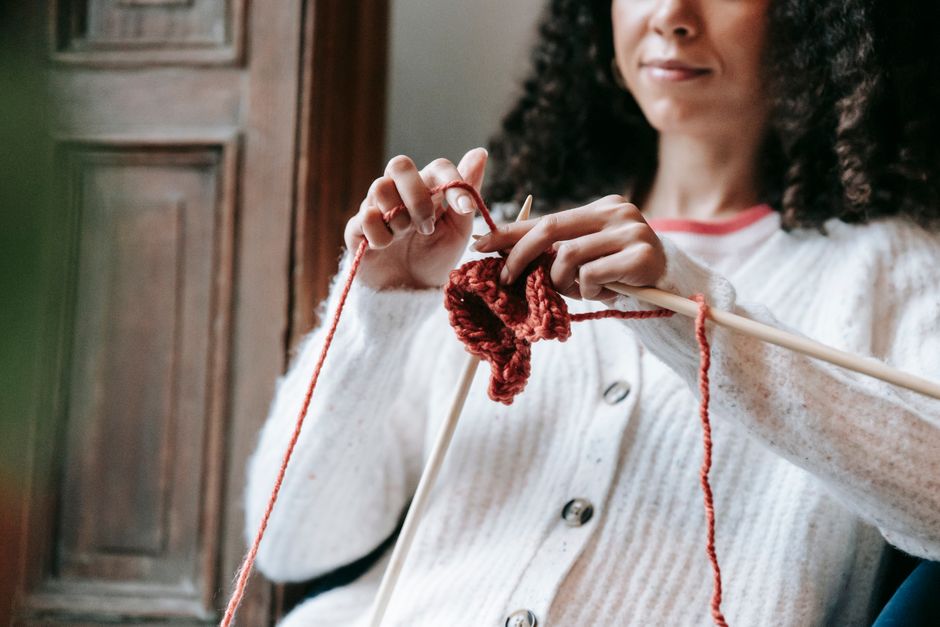
My opinion: proportion matters more than size. A chunky sweater can look sharp, but only when one part of the outfit stays narrow or structured. The fastest way to ruin the look is to pair volume on top with loose trousers and a long, unstructured coat.
Chunky sweater with a narrow bottom
Wear a hip-length chunky crewneck with straight-leg jeans, slim cargo trousers or a bias-cut midi skirt. Half-tuck the front only if the knit is soft enough to fold without a lump. Keep the footwear simple: a pointed boot, clean sneaker or narrow loafer gives the eye a clear endpoint. Do not force a full tuck with a thick 5-gauge sweater. It adds bulk at the waist and can stretch the knit.
Cardigan as a top
Button a trim cardigan over a camisole or thin tank and pair it with high-waisted trousers. This works best when the cardigan ends within 2 inches of the waistband. A longer cardigan should stay open over a fitted base layer. Add one small piece of metal jewelry rather than a large scarf, because the open neckline already gives the outfit movement.
Turtleneck under tailoring
Use a fine turtleneck under a blazer or wool coat when you want warmth without a shirt collar. Black, cream and dark brown are the easiest colors to repeat. Keep the turtleneck smooth at the shoulders and tuck the hem fully into the trousers if the blazer is cropped. A heavy ribbed turtleneck under a narrow blazer usually creates wrinkles at the armhole, so choose a fine knit for this outfit.
My verdict is clear: use chunky sweaters for relaxed outfits, cardigans for flexible outfits and fine turtlenecks for polished outfits. Mixing those jobs is what makes knitwear look awkward.