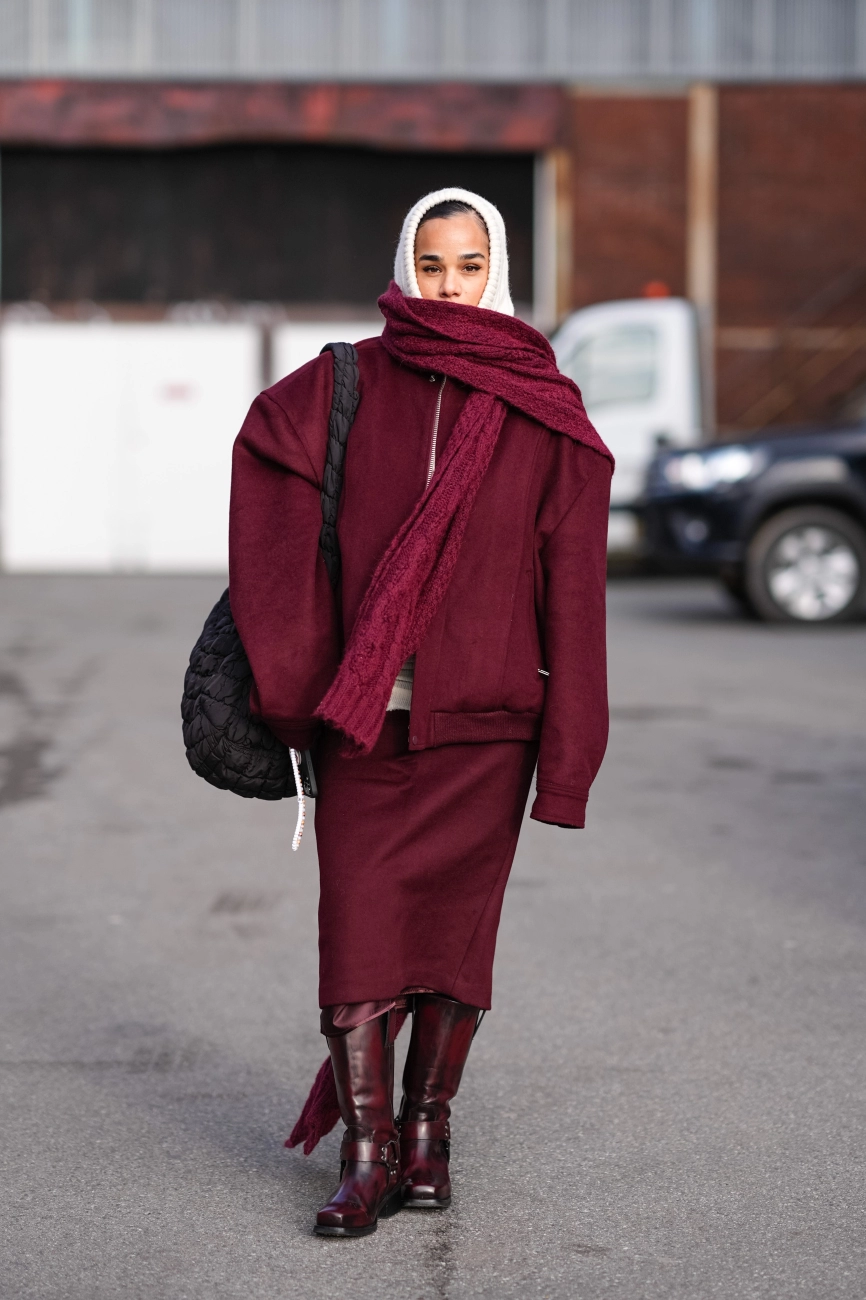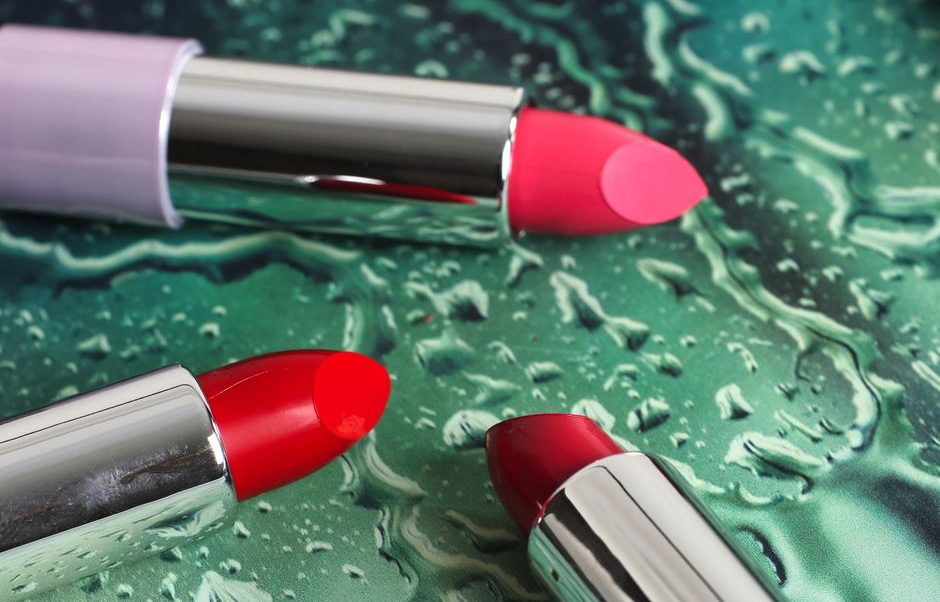
You put on a burgundy sweater, swipe on a deep red lipstick, and see the problem immediately: the shade looks purple, gray, or strangely orange. The usual advice says winter lipstick should be dark. That is only half true. A deep shade can still look wrong when its undertone fights your skin. The best winter lip color is not the darkest one. It is the shade whose base color works with the warm, cool, neutral, or olive tones beneath your surface skin. Once you identify that base, choosing a flattering berry, red, plum, or brown becomes much faster.
How to identify your undertone in five minutes
Use three checks instead of one guess
- Stand beside a window with a clean face and hold a sheet of white paper near your jaw. If your skin looks pink, rosy, or slightly bluish, start with cool shades. If it looks golden, peachy, or yellow, start with warm shades. If neither side dominates, test neutral shades first.
- Look at the veins on the inside of your wrist. Blue or purple veins suggest a cool base. Green veins suggest a warm base. A mix of blue and green points toward neutral or olive.
- Compare simple gold and silver jewelry. If silver makes your skin look clearer, cool colors may suit you best. If gold adds brightness, warm colors are a stronger starting point. If both work, your undertone may be neutral.
Separate olive skin from warm skin
Olive skin often looks golden in some light but gray, green, or slightly muted in others. That is why bright orange lipstick can look too loud even when warm colors usually suit you. Olive skin often responds better to muted brick, brown-red, raisin, and redwood shades than to clear yellow-orange.
Do not treat these checks as a permanent label. Foundation, tanning, redness, and lighting can change the surface of your skin. Test lipstick on the lower half of your face, not only on your hand. Your hand may be darker, redder, or more olive than your lips.
Which winter shade family suits each undertone?
The table below gives a reliable starting point. The strongest choice for most people is the first shade family listed, because it keeps the color clear without making the skin look dull.
| Undertone | Best winter families | Use carefully | Best first test |
|---|---|---|---|
| Cool | Blue-red, cranberry, raspberry, rose-plum | Orange-red and yellow brown | Blue-based berry |
| Warm | Brick red, chili, cinnamon, terracotta | Blue lilac and icy pink | Warm brick red |
| Neutral | Balanced red, true berry, brown-rose, soft plum | Very gray or very orange shades | Neutral cranberry |
| Olive | Muted brick, raisin, brown-red, deep rose | Neon orange and pale chalky pink | Muted red-brown |
Choose by the color you want to create
For a classic holiday red, cool undertones usually look crisp in blue-red. Warm undertones get more life from brick or chili red. For a softer everyday winter lip, choose rose-plum if you are cool, brown-rose if you are neutral, and cinnamon-rose if you are warm. These shades add color without making the entire outfit feel formal.
When a “wrong” shade can still work
A shade outside your best family is not unusable. Sheer application lowers the impact of a strong undertone. A clear balm can soften a dark lipstick, while a brown lip liner can make an overly bright shade look calmer. The verdict is simple: opaque formulas need closer undertone matching; sheer formulas give you more room to experiment.
The best winter lipsticks to start with
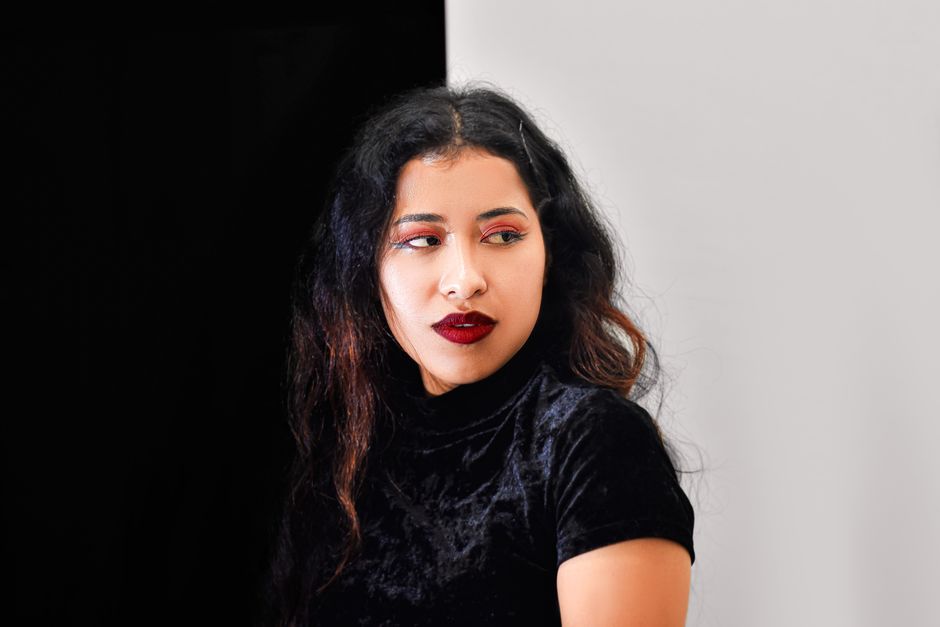
My clear pick for most people is a blue-red or neutral berry in a comfortable satin or soft-matte formula. It gives winter contrast without forcing you into an almost-black lip. From the specific options below, MAC Matte Lipstick in Russian Red is the strongest choice for a cool undertone because its blue-red base makes teeth look brighter and pairs well with black, navy, and gray.
Best picks by undertone
- Cool undertones: MAC Matte Lipstick in Russian Red is a classic blue-red with a true matte finish. For a softer look, NARS Powermatte Lip Pigment in Starwoman gives a vivid blue-red liquid color.
- Warm undertones: Rare Beauty Kind Words Matte Lipstick in Talented is a warm terracotta nude that works under camel, cream, and chocolate-brown clothing. It is the best daytime option when a deep red feels too heavy.
- Neutral undertones: MAC Powder Kiss Lipstick in Werk gives a blurred dirty-rose effect. Its soft-matte texture is more forgiving than a sharp traditional matte.
- Olive undertones: Clinique Almost Lipstick in Black Honey creates a sheer blackened raisin tone. Its transparent finish prevents the gray cast that some opaque plum shades leave on olive skin.
Pick finish before buying a dramatic shade
Choose MAC Russian Red for a defined evening lip. Choose MAC Powder Kiss Werk for a softer office look. Choose Clinique Black Honey when you want a low-risk color that adjusts to your natural lip tone. These are not interchangeable finishes, and the finish changes the final color as much as the shade name does.
Apply one thin layer first. A second layer shows the true depth. If the color looks good only under bright bathroom light, it is not the right winter staple.
How finish and winter weather change the result
Matte lipstick needs a smoother base
Cold air lowers humidity, and indoor heating dries the skin around the mouth. A dry lip makes matte pigment gather in flakes and vertical lines. The lipstick then appears darker at the edges and patchy in the center. This is a texture problem, not always a color problem.
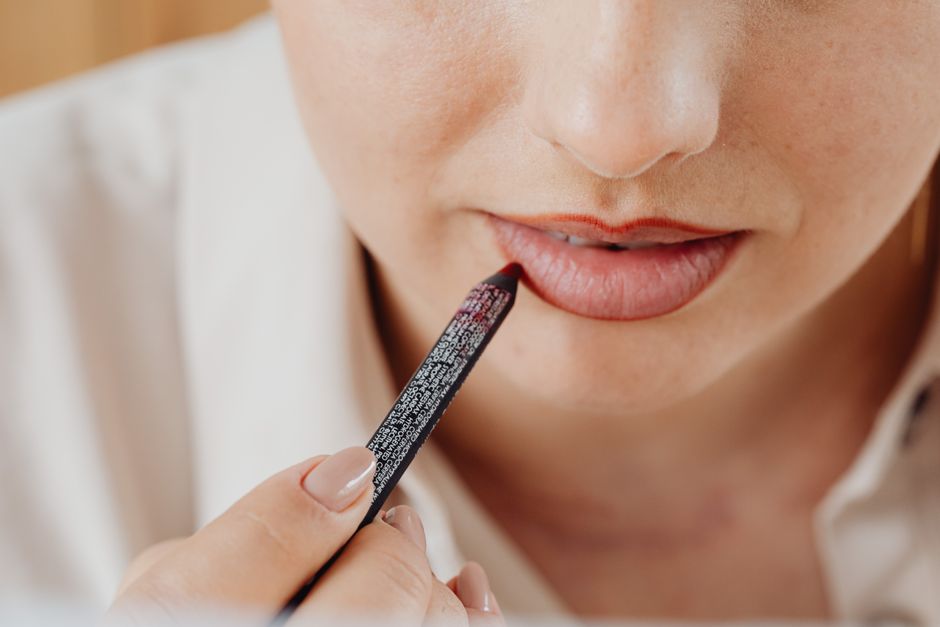
For a clean matte result, apply a plain balm for five minutes, press off the excess, and smooth the lip surface with a damp cloth. Do not scrub hard. Harsh exfoliation can leave tiny cuts that make red pigment sting. Use a matching or slightly deeper liner around the outer edge, then fill the center lightly before applying lipstick. This gives the color an even base and limits feathering.
Satin and sheer formulas change your shade range
Satin lipstick reflects light, so it usually looks brighter and less severe than the same color in a flat matte formula. Sheer lipstick mixes with your natural lip tone. A raisin shade may become berry on pink lips and brown-plum on beige lips. That built-in variation makes sheer formulas excellent for people who dislike testing bold colors.
Gloss adds shine but can make a dark shade migrate into lip lines. Use it only in the center of the lips if you want fullness without losing the outline. Long-wear liquid formulas last through coffee and dinner, but they also show dryness faster. Choose one for an event, not as your only winter lipstick.
The best everyday winter formula is a satin or soft matte. It gives enough color for a coat-and-scarf outfit while staying comfortable through several hours of cold weather.
Why winter lipstick looks wrong: common mistakes
“Why does my red lipstick make my skin look gray?”
The red may contain too much blue, black, or gray for your surface coloring. Try a warmer red-brown or apply the shade over a thin layer of warm nude liner. If your entire face looks dull, stop adding more blush. Change the lipstick base first.
“Why does a berry shade look purple on me?”
Berry shades often contain blue or violet pigment. Cool skin may welcome that effect, but warm and olive skin can look washed out beside it. Choose cranberry with a red base, raisin with brown in it, or a sheer berry that allows your natural lip color to show through.
“Why does the shade look good in the tube but not on my lips?”
The tube shows concentrated pigment. Your lips add their own pink, brown, or purple color. A dark outline can also change the center shade. Test lipstick on the lips, wait ten minutes, and check it in daylight. Avoid judging from a single swipe on your wrist.
The biggest buying mistake is choosing by season alone. “Winter” describes the mood, not one universal color. A clear orange-red can be a better winter shade for warm skin than a cool plum that drains the face.
Your final winter lip-color decision
Use this three-step shortcut
- Choose the undertone family: blue-red or rose-plum for cool, brick or chili for warm, balanced berry for neutral, and muted red-brown or raisin for olive.
- Choose the depth: medium for daytime, deep for evening, and sheer when you are unsure.
- Choose the finish: satin for comfort, soft matte for polish, and sheer balm for the easiest daily wear.
The verdict for the burgundy-sweater problem
If your lipstick looks purple beside a burgundy sweater, switch to a neutral cranberry or brown-red instead of automatically choosing a darker shade. Cool undertones should start with MAC Russian Red or NARS Starwoman. Warm undertones should start with Rare Beauty Talented. Neutral undertones should try MAC Powder Kiss Werk, while olive undertones get the safest first test from Clinique Black Honey.
Now the mirror test has a clear answer. The right winter lip color is not the shade that looks most dramatic in the tube. It is the one that keeps your skin bright, your outfit balanced, and your undertone working in the same direction.