Fashion month for Spring 2026 delivered exactly what you’d expect: some genuinely beautiful clothes, some unwearable art projects, and a lot of trend-bait designed to sell accessories. The problem with most trend roundups is they list what designers showed, not what you can actually put on your body and walk to work in. This list is different. Every trend here passed a simple test: I’d wear it to dinner with friends and not feel like I’m cosplaying a character.
No micro-shorts. No transparent trousers. No dresses that require tape. Just seven trends that solve real dressing problems for spring weather—and the specific pieces worth buying.
The Boxy Utility Jacket Is the New Blazer
Blazers had a good run. But Spring 2026 runways from Prada to Bottega Veneta pushed a different silhouette: the boxy, cropped utility jacket. Think chore coat meets field jacket, cut slightly oversized through the shoulders and hitting right at the hip. It does what a blazer does—pulls an outfit together—but it’s softer, more forgiving, and doesn’t read as corporate.
The reason this works: spring weather is unpredictable. You need a layer that works over a t-shirt at 2pm and over a thin sweater at 8pm. A structured utility jacket in cotton twill or lightweight canvas does that. It also covers the transition from jeans to tailored trousers without a costume change.
What to buy
The COS Boxy Utility Jacket ($135) is the best under-$150 option. It’s 100% organic cotton, has a clean collar, and the boxy cut doesn’t pull across the chest. If you want something with more structure, the Everlane Chore Jacket ($128) has a slightly longer body and works on taller frames. For a splurge, the Khaite Renn Jacket ($890) is beautiful but honestly, the COS version does 90% of the job.
Skip this if
You already own a denim jacket you love. The utility jacket occupies the same slot in your wardrobe. Don’t buy both. Pick one and commit.
Column Skirts That End Below the Knee
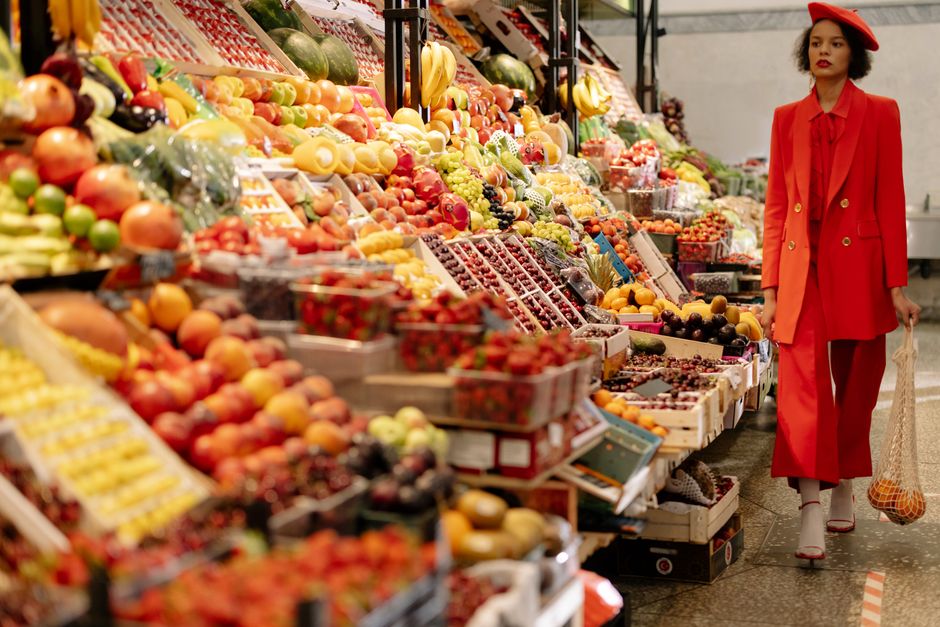
After years of micro-minis and midi skirts that hit at the widest part of the calf, Spring 2026 finally gives us a length that flatters actual legs: the column skirt ending two to three inches below the knee. The Row and Proenza Schouler both showed versions in silk, cotton poplin, and lightweight wool.
This length works because it shows the narrowest part of your leg while covering the knee—the joint that makes most skirts look awkward. It’s also long enough to sit down without adjusting, which matters if you wear skirts to work or dinner.
How to style it
- With a fitted knit top tucked in—no volume on top to balance the slim line
- With flat sandals or low block heels; anything above 2.5 inches fights the proportion
- With a cropped jacket that hits at the waist to keep the column line clean
The Mango Satin Column Skirt ($59.99) is the budget pick. It comes in black, ivory, and a rust tone that works with most spring palettes. The Everlane Japanese Goweave Column Skirt ($98) holds its shape better after sitting and is worth the extra $40 if you wear skirts more than twice a week.
What Actually Didn’t Work Last Spring (And What Changed)
Last spring, the fashion internet pushed three trends hard: low-rise everything, sheer layers, and cargo pants with excessive straps. Two of those three are dead by Spring 2026. Low-rise jeans have disappeared from runways entirely—Zara and H&M both shifted their denim walls back to mid and high rises by January. Cargo pants survive but in a slimmer, cleaner cut without the dangling straps that made everyone look like a hiker who got lost at a rave.
Sheer layers stuck around, but the execution changed. Instead of fully transparent dresses, designers layered sheer blouses under structured vests or over opaque slips. The lesson: if a trend requires special undergarments, it won’t survive contact with real life.
The bigger shift is fabric weight. Spring 2026 collections use heavier cottons, brushed wools, and structured linens. Thin, clingy fabrics that show every line are out. This is good news for anyone who actually wears their clothes.
The Return of the Woven Leather Belt
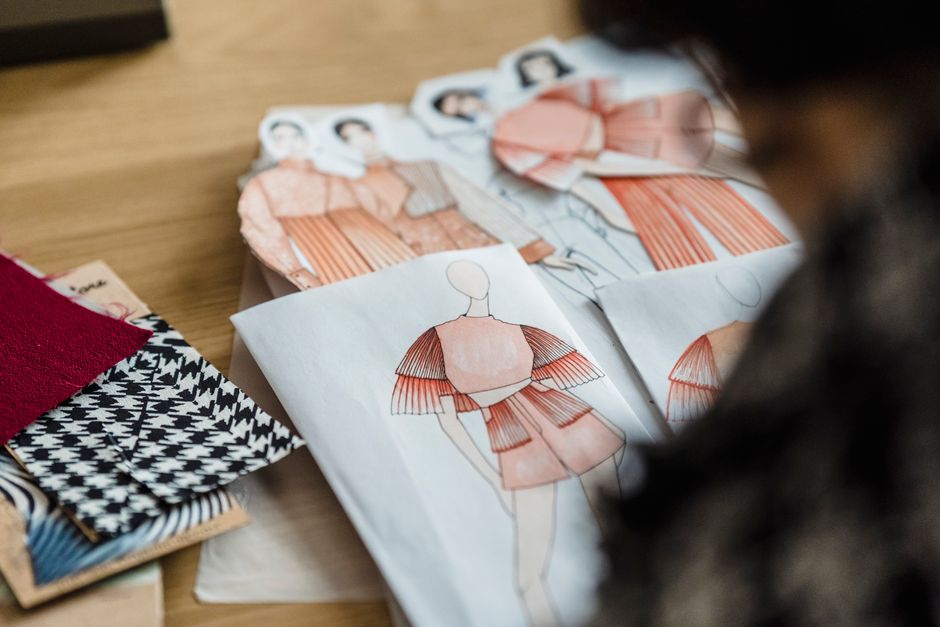
You probably haven’t thought about a woven leather belt since 2016. That’s exactly why it’s back. Loewe, Gucci, and Isabel Marant all showed versions for Spring 2026, and the styling trick is simple: use it to cinch a loose dress or an oversized shirt at the waist.
What makes this trend actually useful: it solves the fit problem with all the oversized silhouettes dominating spring. Instead of buying new clothes, you can take the boxy linen dress you already own and define your waist in three seconds. That’s a trend that saves money.
Specific pieces
The Madewell Woven Leather Belt ($48) is the best value. Real leather, 1.5 inches wide, comes in tan and black. The J.Crew Braided Belt ($55) is slightly wider at 1.75 inches and works better for high-waisted trousers. Avoid anything with a huge metal buckle—the weave is the point, not the hardware.
Ballet Flats With Actual Arch Support
Ballet flats never left, but Spring 2026 versions are different. The new flats from Miu Miu and Chloé have a slight heel (5-8mm), a padded insole, and a wider toe box. They don’t fold up into a purse. They’re shoes, not accessories.
This matters because the old ballet flat—paper-thin sole, no support—caused the foot pain that made everyone abandon them for sneakers. The new construction fixes that. You can walk a mile in them without limping.
What to buy
- Vionic Marissa Flat ($110): podiatrist-designed, 8mm heel, removable orthotic insole. The best for actual walking.
- Everlane Day Flat ($125): leather, cushioned footbed, square toe. Runs narrow.
- M.Gemi Cerchio Flat ($228): Italian leather, handmade, the most comfortable out of the box but the highest price.
Skip the Zara and H&M versions under $40. They still use the flat cardboard construction that made ballet flats painful in the first place. This is one trend where spending more actually buys you function, not just a label.
Spring 2026 Trend Wearability Scorecard
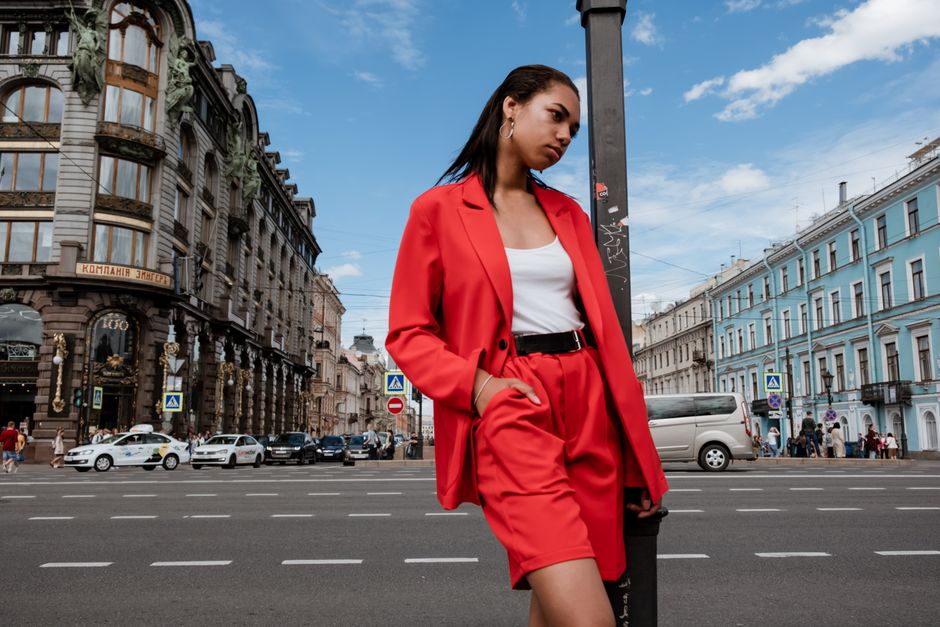
| Trend | Wearability (1-10) | Cost to Try | Works For Most Body Types? | Verdict |
|---|---|---|---|---|
| Boxy utility jacket | 9 | $128-$890 | Yes, if cropped at hip | Buy first |
| Below-knee column skirt | 8 | $60-$98 | Yes, length is forgiving | Buy if you wear skirts |
| Woven leather belt | 10 | $48-$55 | Yes, universally flattering | Buy immediately |
| Supportive ballet flats | 7 | $110-$228 | Mostly; narrow feet should size up | Buy if you walk a lot |
| Sheer layers over slips | 4 | $80-$300 | No—requires specific undergarments | Skip unless you love styling |
| Oversized everything | 5 | Varies | No—swallows petites | Use belts to define waist |
| Cargo pants, clean cut | 6 | $70-$150 | Yes, if slim through leg | Buy one pair, not three |
The pattern here: the most wearable trends are the ones that solve a problem—a jacket that layers, a skirt that flatters, a belt that makes old clothes fit. The least wearable are pure aesthetics with no function.
How to Shop These Trends Without Wasting Money
Every season, the fashion industry wants you to believe you need a full wardrobe reset. You don’t. Spring 2026 trends work best as additions to an existing wardrobe, not replacements. Here’s the math: if you buy all seven trends at the budget prices above, you’re spending roughly $600. That’s reasonable for a seasonal update. If you buy the designer versions, you’re spending $3,000+ for clothes that will look dated by fall.
The smart approach is to buy one structural piece—the utility jacket or the column skirt—and one accessory—the woven belt or the supportive flats. That’s a $200 investment that updates your entire spring wardrobe. Everything else is optional.
One more thing: spring trends hit stores in February, but the best prices come in April when retailers start clearing inventory for summer. If you can wait six weeks, you’ll save 30-40% on most of these pieces. The COS jacket drops to $95. The Mango skirt hits $40. Patience is the cheapest fashion strategy.
When you’re standing in a fitting room holding a cropped utility jacket, ask yourself one question: will I wear this 20 times this spring? If the answer is no, put it back. Trends are suggestions, not obligations. The goal is a wardrobe that works, not a closet full of clothes that only made sense on a runway in Milan.