Did you know over 40% of online shoe returns are due to poor fit or quality? That’s not just a statistic; it’s a problem. Buying shoes, especially something as essential and versatile as a loafer, shouldn’t be a gamble. Yet, countless people waste money on footwear that falls apart in a year, pinches their feet, or just looks cheap after a few wears. They want the classic style, the easy slip-on convenience, but they end up with flimsy construction and buyers’ remorse. It’s a recurring cycle of disappointment.
You see a sleek pair online, click ‘add to cart,’ and then reality hits. The leather cracks, the sole separates, or they simply aren’t comfortable enough for a full day. The market is flooded with options, but most of them are garbage. You need quality that lasts, style that holds up, and comfort that doesn’t quit. It’s not about finding a deal; it’s about finding the right shoe that eliminates the guess-work. This isn’t a fashion show; it’s about smart buying.
Why Most Loafers Fall Apart (It’s Not Just Price)
People assume a high price tag guarantees quality. Not true. Many expensive loafers are overpriced because of branding, not superior construction. The real issue is often hidden: material sourcing and how the shoe is actually built. You can’t tell a full-grain leather from a corrected-grain imposter just by looking at a picture. But your feet and wallet will feel the difference in six months.
A loafer’s longevity hinges on its fundamental components. Forget the shiny exterior for a second. The backbone of any good shoe is its leather quality, stitching method, and sole construction. Compromise on any of these, and you’re buying a disposable item.
The Leather Lie: Full-Grain vs. Corrected
Full-grain leather is the gold standard. It’s the outermost layer of the hide, retaining its natural imperfections and developing a rich patina over time. It breathes, it molds to your foot, and it’s tough. Then there’s corrected-grain, often stamped or sanded to hide flaws, sometimes coated with plastic. It looks uniform, sure, but it won’t age well. It creases poorly, cracks easily, and doesn’t breathe. It’s a cheaper material dressed up to look premium. Always ask, or at least research, if a brand uses full-grain. Don’t settle for less; you’re paying for durability.
Stitching That Actually Matters: Blake vs. Goodyear Welt
There are two main methods for attaching the sole to the upper: Blake stitching and Goodyear welting. A Blake stitch is when the upper is stitched directly to the sole from the inside. It makes for a lighter, more flexible shoe, often found in Italian designs. It’s usually cheaper to produce and can be resoled, but it requires a specialized machine. Goodyear welting is a more complex, labor-intensive process where a strip of leather (the welt) is stitched to the upper and the insole, and then the outsole is stitched to the welt. This creates a highly durable, water-resistant shoe that can be resoled many times over. It adds bulk but provides superior longevity. For a loafer, Blake can be fine for flexibility, but Goodyear is unmatched for endurance. Know the difference before you commit.
Sole Durability: Rubber, Leather, or Hybrid?
The sole is where the rubber (or leather) meets the road. Leather soles are classic, breathable, and elegant, but they offer less grip and wear faster in wet conditions. Rubber soles provide excellent traction and durability, especially in varied weather, but can be less breathable and dressy. A hybrid sole often combines the best of both, with a leather base and strategically placed rubber inserts for grip and wear resistance. Some brands offer proprietary rubber compounds designed for longevity and comfort. Don’t just pick based on looks; consider your climate and how you’ll wear them. A flimsy sole means a short lifespan.
What Makes a Loafer “Good”? (No, It’s Not Just Comfort)
Comfort is non-negotiable, obviously. But a truly good loafer goes beyond just feeling soft on your foot. It’s about how it integrates into your wardrobe, its construction, and how it holds its shape after months or years of wear. It’s an investment in your personal style and, frankly, your daily ease. You don’t want a loafer that looks great for a week then collapses into a shapeless blob. That’s a waste of money.
How should a loafer fit right out of the box?
A loafer should fit snugly but not tightly. No slipping at the heel, no crushing of the toes. It should feel like a second skin, but a firm one. Unlike lace-up shoes, loafers don’t have adjustable fastenings, so the initial fit is critical. Expect a little break-in period, especially with quality leather, but never pain. If they pinch immediately, they’re wrong. If your heel slips, they’re too big. There’s no “maybe they’ll stretch enough” with a loafer; it’s either right or it’s not.
What loafer styles are actually timeless?
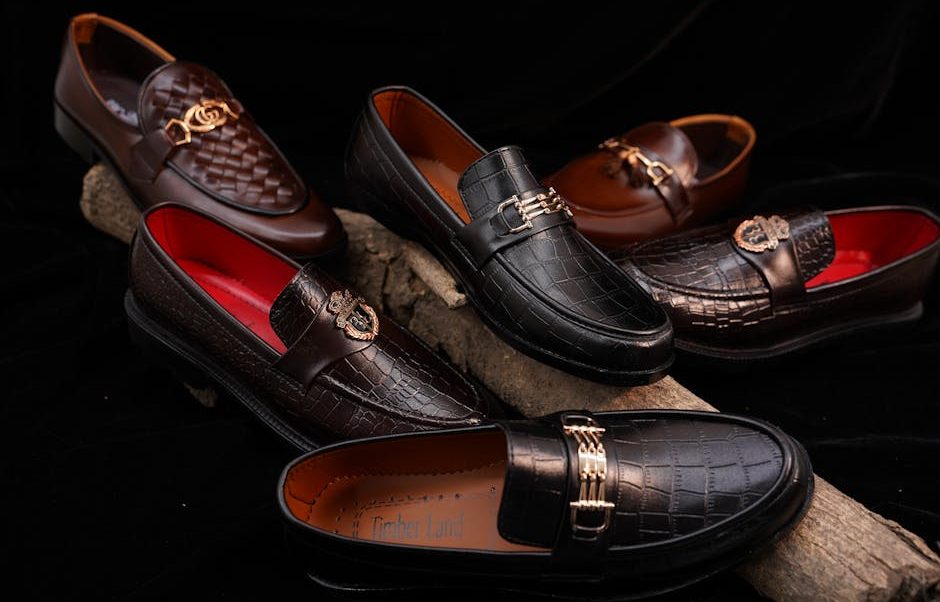
Forget fleeting trends. Three styles are eternally relevant: the Penny Loafer, the Tassel Loafer, and the Horsebit Loafer. The penny loafer is preppy, versatile, and understated. Perfect for business casual or weekend wear. The tassel loafer adds a touch of flair, leaning a bit more formal, great with a suit or smart trousers. The horsebit loafer, popularized by Gucci, is sleek, sophisticated, and can bridge the gap between casual and formal effortlessly. Stick to these. They have proven their staying power across decades. Anything else is likely a passing fad.
Can loafers genuinely work for formal and casual?
Yes, absolutely, but with caveats. A sleek, dark leather tassel or horsebit loafer, especially with a Goodyear welt, can easily be dressed up with a suit or tailored trousers. Choose a rich brown or black. For casual wear, a classic penny loafer in a lighter leather, suede, or even a bolder color, works perfectly with chinos, jeans, or shorts. The key is matching the loafer’s formality to the rest of your outfit. Don’t wear a casual driving mocc with a business suit. That’s just lazy. A well-chosen loafer is arguably the most versatile shoe in your closet. Pick wisely.
The Definitive Top 10 Loafer Brands You Need in 2026
This is where the rubber meets the road. You want names. You want quality. You want loafers that perform and last. Here are the brands that consistently deliver, separating themselves from the vast sea of mediocrity. These aren’t just shoes; they’re investments. You’ll thank me later.
The Everyday Workhorse: G.H. Bass & Co.
G.H. Bass & Co. invented the penny loafer. Their Weejuns are iconic for a reason: solid construction, classic style, and a reasonable price point. They’re not bespoke, but for a daily driver that holds up, they’re unbeatable. The leather quality is consistently good, and they offer a range of finishes and sole options. Expect to pay around $120-$200. This is your entry point to real loafers. Don’t overlook them.
Unmatched Italian Craftsmanship: Tod’s & Gucci
When you think luxury Italian loafers, Tod’s and Gucci come to mind. Tod’s drivers are legendary for comfort and supple leather, though the exposed nubs on the sole mean they aren’t for heavy walking. For a true loafer, their Gommino is exceptional. Gucci’s horsebit loafer? A timeless icon. Expensive (often $800-$1000+), but the quality is there. The construction is typically Blake or a specialized tubular construction, focusing on flexibility and elegance. These are statement pieces, built for discerning tastes. You pay for the design, yes, but also for very high-grade leather and meticulous finishing.
Heritage & Investment: Alden & Crockett & Jones
If you’re serious about loafers, you’re looking at Alden and Crockett & Jones. Alden, American-made, is known for robust construction, often using Goodyear welts and shell cordovan leather – incredibly durable, beautiful, and expensive. Their Leisure Handsewn (LHS) penny loafer is legendary. Expect $600-$900. Crockett & Jones, from Northampton, England, offers similar uncompromising quality. Their loafers are Goodyear welted, using superb calf leather. Models like the Cavendish (tassel) or Sydney (penny) are staples for anyone valuing longevity and classic style. These are shoes you pass down, costing $500-$800. This is where you invest once and never look back.
Other top-tier brands making the cut for 2026 include:
- Allen Edmonds: A solid American choice. Goodyear welted, often full-grain leather, excellent value for around $300-$400. Their Randolph penny loafer is a classic.
- Sebago: Another classic American brand, known for their Docksides, but their beefroll penny loafers are sturdy and well-made, often Goodyear welted, in the $150-$250 range. Great for a rugged, nautical aesthetic.
- Carmina: Spanish shoemaker. Known for excellent value in Goodyear welted shoes, offering unique designs and quality leathers, often around $400-$600. Their Uetam loafer is a favorite.
- Edward Green: English luxury. Unparalleled craftsmanship, hand-finished, Goodyear welted. Their Piccadilly loafer is stunning. Prepare for $1500+. This is true artistry.
- John Lobb: The pinnacle of English shoemaking. Bespoke quality and ready-to-wear masterpieces. Goodyear welted, exquisite leathers, incredible fit. Their Lopez loafer is legendary. Expect $1800+. This isn’t just a shoe; it’s a legacy.
Loafer Brands for Every Budget: A Quick Rundown
Buying a good loafer doesn’t mean emptying your bank account, but it does mean being smart about where you compromise. Here’s a quick comparison of brands at different price points, focusing on what you get for your money. Don’t fall for marketing; look at the tangible quality.
| Brand | Typical Price Range (2026) | Key Features | Best For |
|---|---|---|---|
| G.H. Bass & Co. | $120 – $200 | Classic Weejun penny loafer, Blake/cemented construction, good everyday leather. | Daily wear, classic style on a budget, first-time buyers. |
| Sebago | $150 – $250 | Durable, often hand-sewn moccasin construction, good for casual/nautical looks. | Casual wear, robust construction, good value. |
| Allen Edmonds | $300 – $450 | Goodyear welted, full-grain leather, Made in USA, recraftable. | Business casual, solid investment, long-term wear. |
| Carmina | $400 – $600 | Goodyear welted, high-quality European leathers, diverse styles, excellent value. | Stepping up quality, unique designs, durable. |
| Tod’s | $500 – $800+ | Supple leathers, iconic driving mocs & loafers, focus on comfort and luxury feel. | Luxury casual, comfortable driving, statement pieces. |
| Gucci | $800 – $1200+ | Iconic horsebit loafer, designer appeal, high-grade leathers, fashion-forward luxury. | Fashion statement, high-end luxury, recognizable brand. |
| Crockett & Jones | $500 – $800+ | Goodyear welted, premium calf leathers, classic English styling, robust. | Formal/business, enduring quality, traditionalists. |
| Alden | $600 – $900+ | Goodyear welted, shell cordovan options, sturdy construction, American heritage. | Investment piece, long-term durability, unique leathers. |
| Edward Green | $1500 – $2000+ | Hand-finished, Goodyear welted, exquisite leathers, bespoke-level attention to detail. | Ultimate luxury, artisanal craftsmanship, collectors. |
| John Lobb | $1800 – $2500+ | Pinnacle of shoemaking, supreme materials, Goodyear welted, unparalleled comfort & style. | Heirloom quality, discerning connoisseurs, ultimate luxury. |
Value Picks That Hold Up
For under $250, G.H. Bass & Co. and Sebago are your best bets. They offer classic styles with decent construction that won’t fall apart after a season. You get genuine leather, and while not Goodyear welted at this price point, they deliver a solid return on investment for everyday wear. Don’t expect decades of life, but they’ll perform admirably for years with care.
Mid-Range Staples
Between $300 and $600, Allen Edmonds and Carmina dominate. This is where you start getting into Goodyear welted construction, allowing for resoling and much longer lifespans. The leather quality sees a noticeable jump, and the finishing is more refined. These brands represent true value for money, offering a blend of durability, style, and comfort that makes them excellent daily go-to shoes for work or smart casual events.
Luxury Buys Worth Every Cent
When you’re pushing $800 and beyond, you’re entering the realm of Alden, Crockett & Jones, Tod’s, and Gucci. At the very top, Edward Green and John Lobb. Here, you’re paying for superior leathers (often shell cordovan or the finest calfskin), meticulous hand-finishing, and either exceptional durability (Goodyear welted) or supreme comfort (Tod’s drivers). These are shoes meant to last a lifetime, assuming proper care, and they hold their value and aesthetic appeal remarkably well. They’re an investment in both style and craftsmanship.
The One Loafer Mistake Everyone Makes
The single biggest mistake people make with loafers isn’t about buying the wrong brand or style; it’s neglecting proper shoe care. You spend hundreds on quality leather, then you let them get soaked, never condition them, and shove them in a closet without shoe trees. That’s how good shoes die young. Invest in shoe trees, brush them regularly, and condition the leather. It’s that simple.
Buy once, buy right; your feet will thank you.