
My credit card statement looked like a Streetwear store exploded on it. Three separate Nike Dunk purchases in one month. A Carhartt jacket I didn’t need. A Stussy hoodie that cost more than my electric bill. I wasn’t building a wardrobe. I was feeding a habit.
So I set a rule: 30 days, nothing new. Every single outfit had to come from thrift stores, secondhand apps, or my existing closet. No exceptions. Here’s exactly what happened, what I learned about quality, and whether I’d ever go back.
This is not financial advice. It’s just what I found when I stopped buying new clothes for a month.
The Rules I Set (And Why They Mattered)
I needed boundaries or this experiment would collapse by day three. The rules were simple:
- Zero new clothing purchases for 30 days. No retail stores, no online drops, no “just browsing” that turns into a $180 impulse buy.
- Every outfit must include at least one thrifted piece. This forced me to actually build outfits around secondhand items, not just wear them once and forget them.
- Budget cap: $150 total for the month. That’s roughly what I’d spend on one pair of new sneakers. I wanted to see how far it could stretch across multiple pieces.
- Document everything. Photos of every outfit, notes on what worked, what fell apart, and what I actually reached for repeatedly.
The budget cap was the most revealing part. $150 at a thrift store is a completely different game than $150 at a streetwear retailer. At retail, that’s one pair of shoes. At Goodwill or on Depop, it’s potentially five to eight pieces if you’re patient.
What I Bought: The Full Breakdown

I hit three different sources: a local Goodwill, a Buffalo Exchange, and Depop for specific pieces I couldn’t find in person. Here’s everything I got:
| Item | Brand | Source | Price | Retail Equivalent |
|---|---|---|---|---|
| Vintage Carhartt Detroit Jacket | Carhartt | Depop | $45 | $119 new |
| Nike ACG Fleece Pullover | Nike | Goodwill | $12 | $90 new |
| Levi’s 550 Relaxed Jeans | Levi’s | Buffalo Exchange | $28 | $69 new |
| Champion Reverse Weave Crewneck | Champion | Goodwill | $9 | $60 new |
| Adidas Track Pants | Adidas | Buffalo Exchange | $22 | $55 new |
| Unknown Brand Graphic Tee | Various | Goodwill | $6 | N/A |
Total spent: $122. I came in under budget with $28 to spare. For that, I got six pieces that retail would have charged me roughly $393 for. That’s a 69% savings. But savings only matter if the clothes actually hold up.
The Quality Reality Check
Here’s where thrifting gets complicated. Not everything secondhand is a hidden gem. Some of it is secondhand for a reason.
The Carhartt Detroit Jacket was the standout. It’s from the early 2000s, made in the USA, with a blanket lining that’s thicker than anything Carhartt currently produces at the $119 price point. The previous owner broke it in perfectly. No frayed cuffs, no stains, just honest wear. This jacket will outlast me.
The Nike ACG fleece? Different story. It looked great on the rack, but after two washes, the hem started rolling and the zipper snagged repeatedly. I paid $12, so I’m not devastated, but it’s a reminder that thrift store quality requires inspection. Zippers, seams, and fabric pilling tell you more than the brand tag ever will.
Bottom Line: Thrifted quality is a spectrum. Brands known for durability — Carhartt, Levi’s, Champion’s Reverse Weave line — tend to survive secondhand life better than fast fashion pieces. The fabric weight and construction matter more than the logo.
What I Learned About Streetwear’s Resale Market
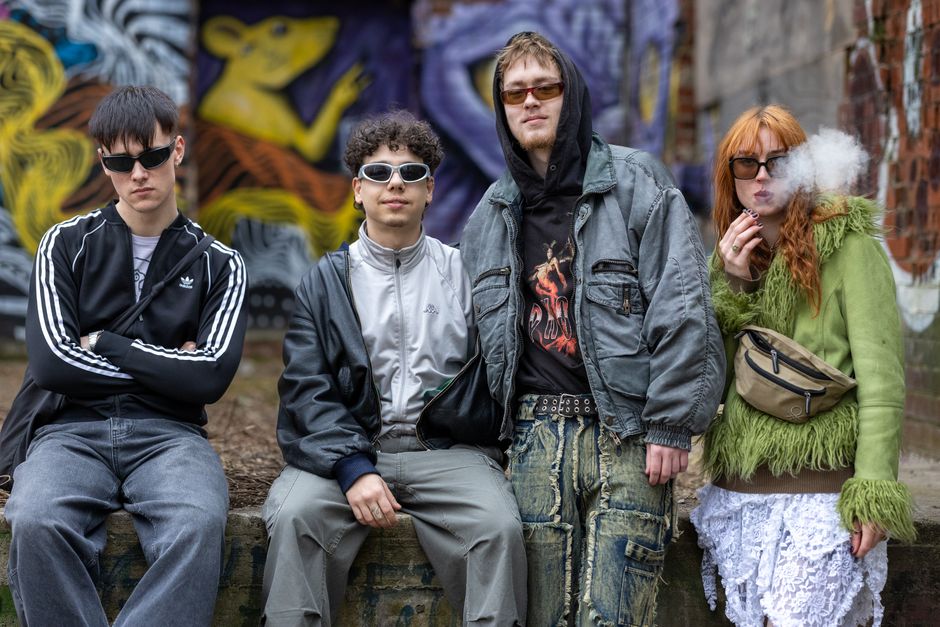
Streetwear has a weird relationship with thrifting. On one hand, the culture worships vintage. On the other, it’s obsessed with hype drops and artificial scarcity. This creates a strange market where a used Carhartt jacket from 2003 sells for more than a brand new one from 2026.
Depop taught me the most. Sellers know what they have. A vintage Nike ACG piece with the right colorway gets priced at $60-80, not $12 like my Goodwill find. The markup exists because the demand exists. Certain brands — Carhartt, Stussy, older Nike ACG, vintage Polo Ralph Lauren — hold value or even appreciate. Others, like modern Champion or basic Adidas, depreciate fast.
If you’re thrifting for personal style, not resale, this doesn’t matter much. But it does explain why some thrift stores now price their inventory like they’re running a streetwear boutique. The days of finding a $5 vintage Stussy tee at Goodwill are mostly gone in major cities.
Three Tips That Saved Me From Terrible Purchases
I almost bought some genuinely bad stuff. These three checks stopped me:
- Check the armpits and collar first. These areas show the most wear. If the fabric is discolored, pilled, or thinning there, the garment is near the end of its life regardless of how the rest looks.
- Smell test before you buy. Thrift store odor isn’t a dealbreaker — most of it washes out with a vinegar soak — but mildew or smoke smell is nearly impossible to remove. If it smells like an ashtray, leave it.
- Know your measurements, not your size. A vintage Large is not a modern Large. I carried a small measuring tape and checked pit-to-pit and shoulder-to-hem on every piece. This single habit saved me from at least four items that would have fit terribly.
The Outfit Rotation: What Actually Worked
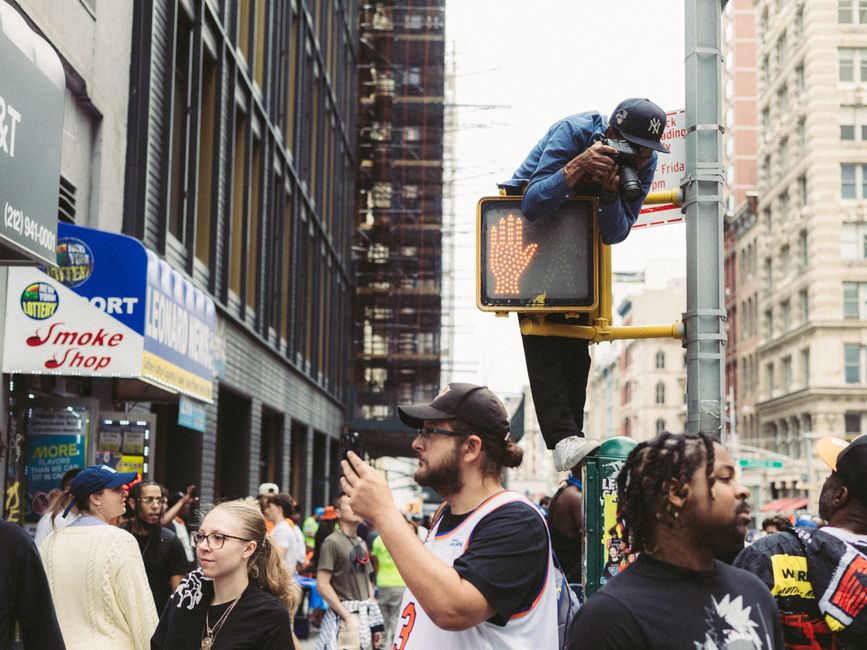
The hardest part wasn’t finding clothes. It was building a cohesive rotation from random pieces. My first week looked like a middle schooler who dressed in the dark. By week three, I found a system.
The Carhartt jacket became my anchor piece. It works over literally everything — the Nike fleece, the Champion crewneck, even the graphic tee. The Levi’s 550s were my default pants because the relaxed fit balanced the bulkier tops. The Adidas track pants only worked with the crewneck and a plain tee; anything else looked forced.
What I didn’t expect: the graphic tee got the most compliments. It’s a faded band tee from a band I’ve never listened to, and three separate people asked where I got it. That’s the thing about thrifting — the pieces with zero brand recognition often have the most character.
Would I Do It Again? The Honest Verdict
Yes, but not exclusively. Thirty days of only thrifted streetwear taught me that secondhand shopping is a skill, not a hack. It requires patience, repetition, and the willingness to walk out empty-handed most trips. I visited my local Goodwill seven times during the month. Four of those visits yielded nothing worth buying.
For specific pieces — durable outerwear, broken-in denim, vintage fleece — thrifting beats retail on both price and quality. For other pieces — technical outerwear, performance fabrics, anything where fit is precise — I’d still buy new. Thrifted waterproof jackets are usually waterproof in name only by the time they hit the rack.
The real lesson wasn’t about saving money. It was about consumption speed. Buying secondhand forced me to slow down, inspect what I was actually getting, and wear everything I bought. That’s a habit I’m keeping even when the 30 days are over.
If you’re going to try this, start with outerwear and denim. Those categories have the best quality-to-price ratio in thrift stores. Skip thrifted shoes unless you’re prepared to deep clean them. And set a budget before you walk in — thrift store prices are low enough that death by a thousand cuts is a real risk.