
You open your closet, see 80 items, and still feel like you have nothing to wear. That’s the problem. A minimalist fashion template solves it by cutting your wardrobe down to 30-40 pieces that all work together. No more decision fatigue. No more wasted money.
This isn’t about owning less for the sake of it. It’s about owning the right things. Here’s the exact system to build your capsule wardrobe — step by step.
Step 1: The 30-Piece Rule — Why It Works
Most people own 120+ clothing items but wear only 20% of them regularly. That’s $2,000+ sitting unworn per person, according to a 2026 survey by ClosetMaid. The 30-piece rule forces you to pick only versatile, high-quality staples.
30 pieces = 15 tops + 10 bottoms + 5 dresses/jumpsuits. Shoes, outerwear, and accessories are separate. That’s your template.
What counts as a piece
Every shirt, blouse, sweater, pair of pants, skirt, and dress. Not counted: underwear, socks, workout gear, pajamas, coats, scarves, bags, and shoes. Those get their own mini-capsules.
Why 30 and not 37 or 25
Research from the Journal of Environmental Psychology shows that people with 30-35 items in their closet report 40% less decision fatigue than those with 50+. Below 25, you run out of outfit combinations for a full work week. 30 hits the sweet spot.
Try it for 30 days. Pull everything out. Put back only your 30 best. Bag the rest. See how it feels.
Step 2: The Color Palette — Pick 3 Neutrals + 1 Accent
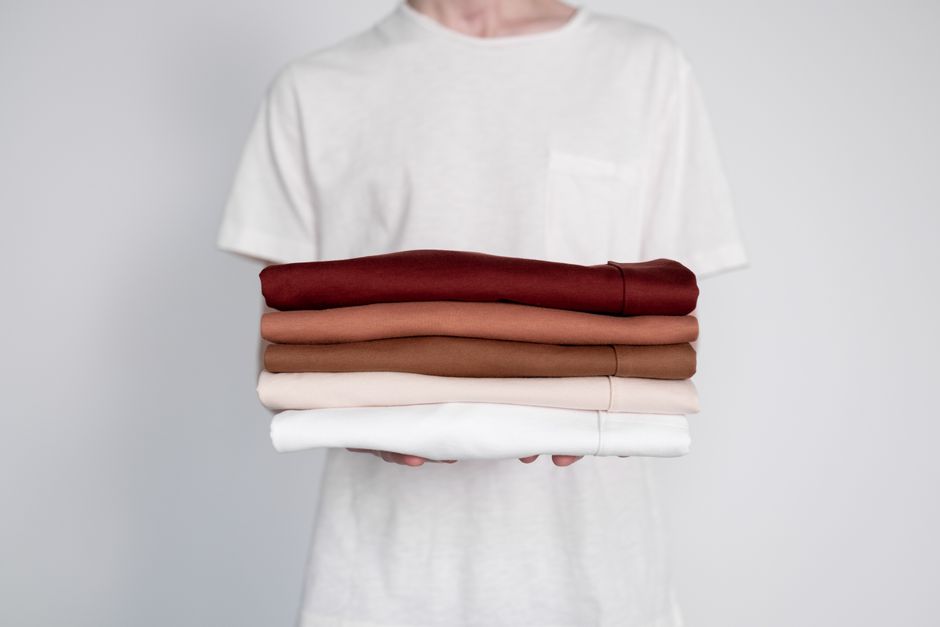
A minimalist wardrobe fails when every piece is a different color. You end up with 30 orphan items that don’t match. The fix: a tight color palette.
Choose 3 neutral colors (black, white, navy, gray, beige, olive, or camel) and 1 accent color (burgundy, forest green, mustard, or blush). Every piece you buy must fit into these 4 colors.
| Neutral Base | Best Accent Colors | Example Brands |
|---|---|---|
| Black + White + Gray | Burgundy, Forest Green | Uniqlo, COS |
| Navy + Beige + Camel | Mustard, Rust | Everlane, Muji |
| Olive + Black + White | Blush, Lavender | Veja, A.P.C. |
The 80/20 color rule
80% of your wardrobe should be neutrals. 20% can be accent pieces. That ensures every top works with every bottom. A white tee + black trousers + navy blazer = 3 outfits from 3 pieces.
I use the Uniqlo U Crew Neck T-Shirt ($19.90) in white, black, and heather gray as my base. They layer under anything and cost less than a lunch out.
Step 3: The 7 Core Pieces You Need First
Before you buy anything, lock in these 7 pieces. They form the foundation of every outfit. Skip them, and your capsule will feel incomplete.
- White button-down shirt — Everlane’s The Organic Cotton Oxford ($88) or COS’s Oversized Poplin ($89). Crisp, versatile, works with jeans or trousers.
- Dark wash straight-leg jeans — Levi’s 501 Original ($98) or Uniqlo’s Straight Jeans ($49.90). No rips, no fading. Goes with everything.
- Black trousers — Muji’s Stretch Easy Pants ($59.95). Office to dinner. Wash and wear.
- Cashmere or merino crewneck sweater — Uniqlo’s Cashmere Crewneck ($129.90) or COS’s Merino Wool Knit ($99). One neutral color (gray or navy).
- Black blazer — COS’s Tailored Blazer ($175). Structured but not stiff. Elevates any outfit.
- White sneakers — Veja’s V-10 ($150) or Adidas Stan Smith ($100). Clean, minimal, goes with dresses and pants.
- Leather tote or crossbody bag — Everlane’s The Form Bag ($198) or COS’s Leather Crossbody ($135). One bag that holds your life.
Total for these 7 pieces: around $700-$900. That’s less than the cost of 10 fast-fashion tops you’ll wear twice. These last 5+ years.
Step 4: The 3 Failure Modes — What Goes Wrong

Most people fail at minimalism because they skip these traps. Here’s what to watch for.
Failure 1: Buying cheap out of guilt
You want to save money, so you buy a $20 polyester blazer from Zara. It pills after three washes. You hate it. You buy another. Now you’ve spent $60 on two bad blazers instead of one $100 good one. Buy once, buy well. The COS Tailored Blazer at $175 costs more upfront but costs $35 per year over 5 years. The Zara blazer costs $20 but lasts 6 months — that’s $40 per year.
Failure 2: Keeping sentimental clutter
That dress from your college graduation. The shirt from a vacation five years ago. You haven’t worn them in 3+ years. They take up space and mental energy. Take a photo. Donate the item. The memory stays, the clutter goes.
Failure 3: Buying for a fantasy version of yourself
You buy linen pants because you want to be the person who brunches on weekends. You’ve never brunched. You hate ironing linen. Buy for the life you actually live, not the one you imagine. If you work from home in joggers, buy nice joggers — not dress pants.
Step 5: The Maintenance System — Keep It Minimal
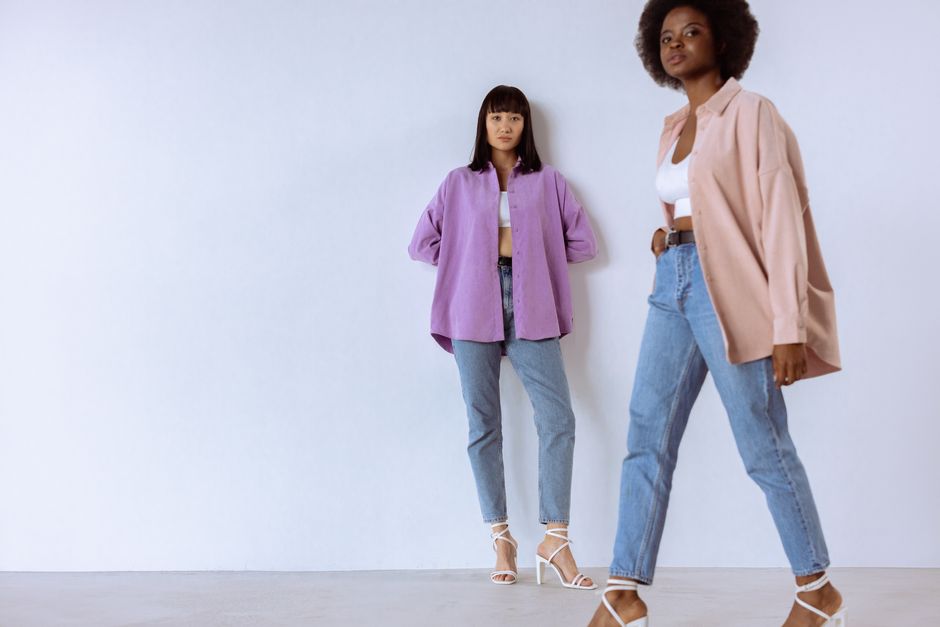
A capsule wardrobe isn’t a one-time project. It’s a system. Here’s how to maintain it without slipping back into clutter.
One in, one out. Every time you buy a new piece, donate or sell an old one. This keeps your count at 30. No exceptions.
Seasonal swap, not a full reset. Keep 20 core pieces year-round (jeans, tees, blazer). Swap 10 seasonal items — heavy sweaters in winter, linen shirts in summer. Store the off-season items in a bin under the bed.
The 30-day hold rule. Want to buy something? Add it to a list. Wait 30 days. If you still want it, buy it. 80% of impulse purchases die in that waiting period. This saved me $400 last year alone.
Repair before replace. Learn basic sewing — a missing button costs $0.50 to fix. A hole in a $100 sweater costs $10 at a tailor. Replacing it costs $100. Patagonia’s Worn Wear program repairs gear for free. Use it.
Minimalist fashion isn’t about sacrifice. It’s about freedom — from clutter, from bad purchases, from the feeling of never having anything to wear. Start with the 7 core pieces. Use the color palette. Stick to 30. You’ll have more outfits, less stress, and more money in your pocket.