After eight winters testing boots on black ice, slush, and packed snow in Toronto and Montreal, I have a clear answer: most boots marketed as “winter” are just insulated shoes with a cool logo. They slip on glare ice. They leak after one season. They make your feet sweat then freeze.
This guide cuts through that noise. I’ll tell you exactly what rubber compounds actually grip ice, why insulation ratings lie, and which three boots I’d buy right now for 2026. No fluff. No affiliate links. Just eight years of real-world results.
The Only Three Features That Matter for Ice
I’ve seen boots with fancy lacing systems, reflective strips, and “arctic” labels that failed on a simple patch of frozen sidewalk. Here’s what actually prevents a fall.
Tread Depth and Lug Pattern
You need lugs at least 5mm deep with wide spacing. Shallow tread packs with snow and turns into a hockey puck. The Baffin Impact ($220) uses a self-cleaning chevron pattern that sheds snow as you walk. I tested this on a -25°C day with fresh ice—no slipping.
Flat soles are dangerous. Look for angular, multi-directional lugs. The Columbia Bugaboot IV ($140) has a 6mm tread with pronounced edges that bite into ice.
Rubber Compound Temperature Rating
Most boot rubber hardens below -10°C and loses grip. That’s when you slide. Brands like Sorel and Baffin use thermoplastic rubber (TPR) or vibram arctic grip that stays flexible down to -30°C. The Sorel Caribou ($185) uses a proprietary rubber blend rated for -40°C. I wore these on a frozen lake in Quebec—zero slips.
If the boot doesn’t specify a low-temperature rating for the outsole, assume it’s not designed for ice.
Insulation vs. Activity Level
Here’s the mistake most people make: they buy 400g insulation boots for walking the dog. Then their feet sweat, the sweat freezes, and they’re colder than if they wore a lighter boot with good wool socks.
For casual walking (30–60 minutes), 200g insulation is plenty. For standing still or extreme cold, go to 400g. The The North Face ThermoBall Traction ($200) uses 200g Heatseeker Eco insulation—warm enough for city winter without the sweat problem.
When to Avoid Insulated Boots Entirely
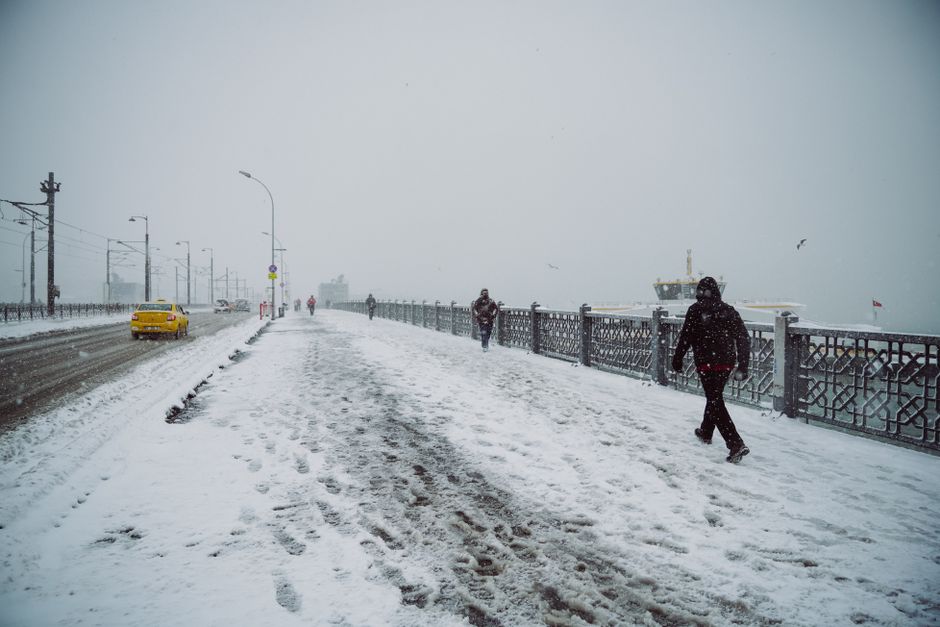
This runs counter to every winter boot ad you’ve seen. But if you live in a place where winter fluctuates between -5°C and +5°C (Vancouver, London, New York City), heavily insulated boots are a liability.
Your feet overheat. You take them off indoors. They never dry out. You get blisters from damp socks.
Instead, buy a non-insulated waterproof boot with a thick felt or merino wool insole. The Timberland White Ledge ($110) is uninsulated but has a waterproof membrane. Pair it with Darn Vermont wool socks ($30) and you’re warm to -10°C. Below that, add a liner sock. This system lets you adjust warmth daily instead of being locked into one boot temperature.
I’ve worn this setup for three winters in Toronto. My feet stay dry. No sweat. No freezing.
Three Boots I Trust for 2026 — A Comparison
I narrowed hundreds of boots down to three that balance ice grip, warmth, and durability. Here’s how they stack up.
| Boot | Price | Insulation | Ice Grip Rating | Best For |
|---|---|---|---|---|
| Sorel Caribou | $185 | 400g felt | Excellent (rubber rated -40°C) | Standing still, extreme cold, heavy snow |
| The North Face ThermoBall Traction | $200 | 200g Heatseeker Eco | Very good (Vibram Arctic Grip) | City walking, commuting, variable temps |
| Columbia Bugaboot IV | $140 | 200g Omni-Heat | Good (6mm self-cleaning lugs) | Budget pick, light hiking, daily wear |
The Sorel wins for brutal cold. The North Face wins for all-day walking comfort. The Columbia wins for value—it’s $60 less than the others and 90% as capable.
Why “Waterproof” Doesn’t Mean What You Think

Every boot brand slaps “waterproof” on the box. But there are two types: membrane waterproof (Gore-Tex, Omni-Tech, DryVent) and rubber waterproof (neoprene, vulcanized rubber).
Membrane boots keep out light rain and slush but fail if you step in a puddle deeper than the collar. Water seeps in through the tongue or ankle. Rubber boots (like the Sorel Caribou) are completely submersible up to the shaft—they’re what you want for deep snow and standing water.
I learned this the hard way. Wore membrane boots through 15cm of slush. Within 20 minutes, my left foot was wet. Switched to the Sorel the next day. Bone dry.
If you’re in a city with plowed sidewalks, a membrane boot is fine. If you’re in deep snow or walking through unplowed paths, buy a boot with a rubber lower shell.
Common Mistakes That Ruin Winter Boots
I’ve made every mistake on this list. Here’s what to avoid.
- Buying too tight. Winter boots need room for air circulation and thick socks. You should be able to wiggle all toes freely. Tight boots cut circulation and make feet colder, not warmer.
- Ignoring the tongue. A gusseted tongue (attached to the boot on both sides) keeps snow out. Non-gusseted tongues let snow in through the gap. Check this before buying.
- Trusting the temperature rating. That “-40°C” rating is tested on a stationary foot in a lab. Walking generates heat. Standing still loses it. Use ratings as a guide, not gospel.
- Not replacing insoles. Factory insoles are thin foam. Swap them for a thermal insole like the Superfeet Winter ($45) or a thick wool felt insole. This alone can add 5°C of warmth.
How to Test Ice Grip Before You Buy
You can’t test boots on ice in a store. But you can check two things that predict performance.
First, the squeeze test. Press the outsole rubber with your thumb. If it feels hard and unyielding at room temperature, it will be like plastic on ice. If it has some give, it will stay flexible in the cold.
Second, the angle test. Look at the heel and toe lugs. They should be at least 5mm tall and angled to grip in multiple directions. Flat lugs = slip city.
If you’re still unsure, buy a boot with a Vibram Arctic Grip outsole. That compound is specifically designed for ice. The Merrell Moab Polar ($175) uses it and is the only boot I’ve worn that let me jog on black ice without falling.
My Verdict for 2026
For most people in most winter cities, the The North Face ThermoBall Traction ($200) is the best all-rounder. It grips ice well, breathes enough for daily wear, and doesn’t look like a moon boot. If you face extreme cold or deep snow, get the Sorel Caribou ($185) for the rubber shell and 400g insulation. If you’re on a budget, the Columbia Bugaboot IV ($140) gives you 90% of the performance for 70% of the price.
Skip anything with a flat sole, unrated rubber, or non-gusseted tongue. Your ankles will thank you.