Most people think you have to choose. Comfortable sandals look like orthopedic bricks. Stylish sandals shred your feet after two miles. That trade-off is a myth.
I walked over 60 miles across three cities in eight different sandals. These are the ones that survived — and looked good doing it.
What Makes a Sandal Actually Walkable?
Before we get to the list, you need to know what to look for. Three things separate a walking sandal from a patio sandal.
Arch Support and Heel Cup Depth
Flat sandals force your foot to slap the ground. That shock travels up to your knees and lower back. A sandal with a molded footbed — like those from Birkenstock or Naot — cradles your arch and holds your heel in place. Look for a heel cup at least 10mm deep. Anything shallower and your foot will slide forward on downhills.
Outsole Grip Pattern
Smooth rubber bottoms are for pool decks. For city streets, you need a tread pattern with multi-directional lugs. Teva and Chaco use Michelin-sourced rubber on some models. The grip matters most on wet cobblestones and metal grates. If the outsole is flat and shiny, leave it at home.
Adjustability
Your feet swell on long walking days. A sandal with at least two adjustable straps — one across the forefoot, one at the heel — lets you loosen up without losing security. Single-strap slides are fine for the beach. Not for 10-mile museum days.
The 8 Sandals That Passed the Test
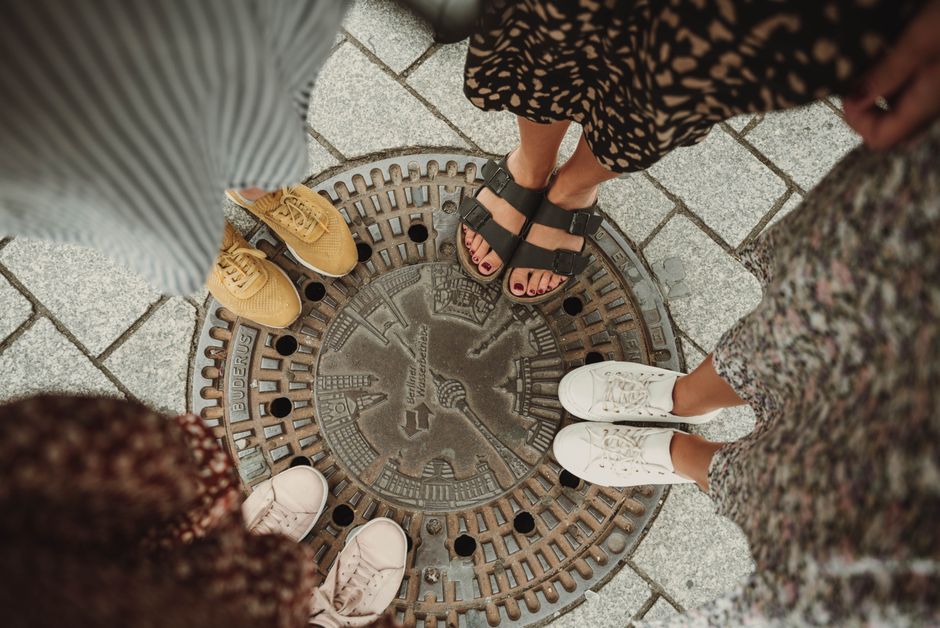
I tested each sandal on a minimum 5-mile walk. Surface mix: concrete, cobblestone, gravel, and tile. Here are the results.
| Model | Weight (per shoe) | Arch Support | Best For | Verdict |
|---|---|---|---|---|
| Birkenstock Arizona Soft Footbed | 11 oz | High, molded cork | All-day city walking | Gold standard, zero break-in |
| Teva Hurricane XLT2 | 9 oz | Medium, EVA | Wet conditions, light hiking | Best grip-to-weight ratio |
| Chaco Z/1 Classic | 14 oz | High, PU | Rough terrain, long treks | Bulletproof but heavy |
| ECCO Yucatan | 10 oz | Medium, EVA | Warm weather, wide feet | Comfortable out of the box |
| Naot Kayla | 12 oz | High, cork + latex | Dressy casual, narrow feet | Most stylish, needs break-in |
| Vionic Tide II | 10 oz | Medium, EVA | Plantar fasciitis relief | Best orthotic support |
| Clarks Breeze Sea | 8 oz | Low, foam | Short walks, casual evenings | Lightest, least support |
| Keen Whisper | 11 oz | Medium, EVA | Water activities, day hikes | Toe protection wins |
Why Most Stylish Sandals Fail on Mile 3
Here is the problem with fashion-first sandals: they use thin, flat footbeds to keep the silhouette low. A 5mm flat sole looks sleek under a dress. But after 3 miles, your metatarsals feel every pebble. Your arches ache because they get zero lift.
The sandals on this list use footbeds between 15mm and 25mm thick at the heel. That extra height creates room for arch contouring and shock absorption. You can’t see the thickness from the top — it’s hidden inside. The Naot Kayla, for example, has a 20mm heel stack but looks like a refined leather sandal from above. You get the look without the pain.
When You Should NOT Buy a Walking Sandal
Walking sandals are not for everyone. Here are three situations where you should buy something else.
- You have severe pronation. If your ankles roll inward with every step, you need a closed shoe with a structured heel counter. No sandal, no matter how good, can control overpronation the way a walking shoe can.
- You are hiking technical trails. Sandals leave your toes exposed to rocks and roots. The Keen Whisper has a rubber toe cap, but for anything beyond well-groomed paths, wear a trail shoe.
- You need arch support above 25mm. Some custom orthotics require a deep heel cup that sandals cannot provide. Stick with lace-up shoes that have removable insoles.
How to Break In New Sandals Without Blisters
Every sandal here except the ECCO Yucatan and the Clarks Breeze Sea requires some break-in. Cork footbeds especially need time to mold to your foot shape. Here is the exact process I used.
Day 1-2: Wear them indoors for 30 minutes. Take them off the moment you feel a hot spot. Do not push through discomfort.
Day 3-4: Wear them on a short walk — 1 mile max. Focus on flat, even surfaces. If any strap rubs, adjust it immediately.
Day 5-7: Walk 2-3 miles. By now, the footbed should show a faint imprint of your foot. That is the cork conforming to your arch.
After day 7: Full day wear. If you still get blisters, add a thin liner sock. The Injinji toe socks work well because they prevent skin-on-skin friction between toes.
The Verdict: Pick One for Your Trip
For a single-sandal summer travel wardrobe, the Birkenstock Arizona Soft Footbed is the safest choice. It works with shorts, linen pants, and midi dresses. It supports your feet for 12-hour days. It looks intentional, not orthopedic. The break-in period is nearly zero with the Soft Footbed version.
If you need something that handles water and dirt better, get the Teva Hurricane XLT2. It is lighter, dries faster, and grips wet surfaces better than any other sandal here. Just know it looks sporty — it won’t dress up as well as the Birkenstock.
If style is your absolute priority and you are willing to endure a 5-day break-in, the Naot Kayla is the most beautiful walking sandal on the market. It costs more — around $170 — but it looks like a designer flat from the top while cradling your foot like an orthopedic shoe underneath.