Plastic-based vegan leather can take up to 500 years to decompose in a landfill. That is the uncomfortable truth behind many ‘cruelty-free’ boots. But the material science has changed. In 2026, the best vegan winter boots are not made from the shiny PVC of 2015. They are made from apple waste, corn, cactus, and natural rubber. This guide breaks down what actually holds up in snow and slush—and what is just greenwashing.
What Is Vegan Leather in 2026? The Materials That Actually Matter
The term ‘vegan leather’ now covers three distinct generations of materials. Knowing the difference is the single most important step before you spend money.
Generation 1: PVC and PU. Polyvinyl chloride and polyurethane. These are plastics. They are cheap. They crack in cold weather. They do not breathe. Most fast-fashion ‘vegan leather’ falls here. Avoid for winter boots unless you want frozen, cracked uppers by February.
Generation 2: Bio-based PU. This is a hybrid. A portion of the polyol (the liquid part of plastic) comes from renewable sources like corn, castor oil, or sugarcane. The final material still contains synthetic polymers. It is better than pure PVC, but not plastic-free. Many brands market this as ‘plant-based’ without saying it is still partly plastic. Ask for the percentage of bio-based content. If a brand will not tell you, walk away.
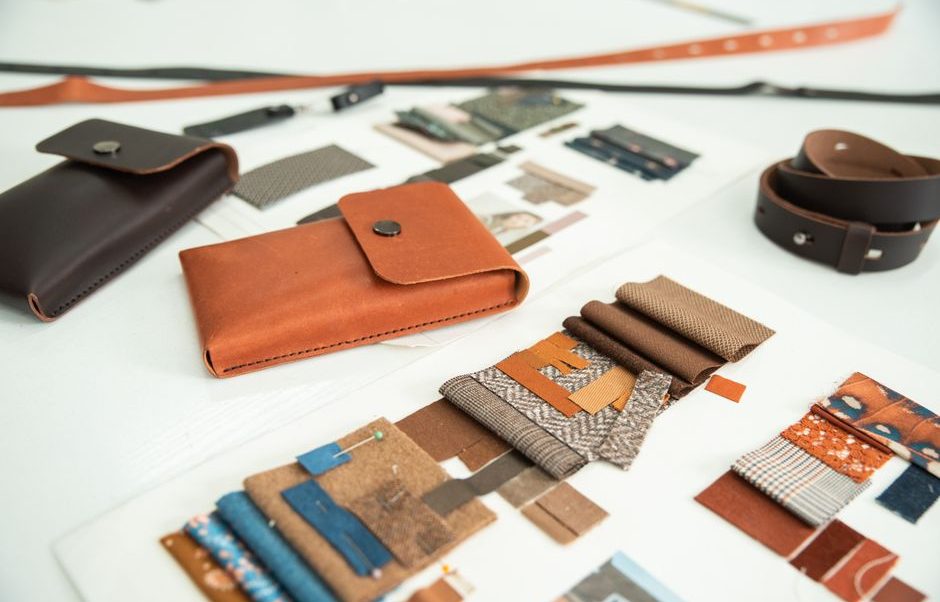
Generation 3: Plastic-free composites. These are the newest materials. They use natural rubber, cork, apple peels, grape skins, cactus leaves, or mycelium (mushroom roots) bound with natural resins. The most credible ones right now: MIRUM (made by NFW, uses natural rubber, plant oils, and agricultural waste), AppleSkin (apple waste from Italian juice production, still contains some PU in most versions), and Desserto (cactus-based, also typically PU-backed).
Here is the honest breakdown of what each material does in winter conditions:
| Material | Plastic Content | Cold Weather Performance | Water Resistance | Price Range for Boots |
|---|---|---|---|---|
| PVC | 100% | Poor — stiffens, cracks below -5°C | High (non-breathable) | $40–$90 |
| Standard PU | 100% | Fair — can peel after one season | High (non-breathable) | $60–$140 |
| Bio-based PU (corn/cactus) | 50–80% | Good — more flexible in cold | Good | $120–$240 |
| MIRUM (plastic-free) | 0% | Excellent — remains flexible, ages like leather | Good with wax treatment | $180–$350 |
| AppleSkin (with PU backing) | 30–50% | Good — softer than standard PU | Good | $140–$260 |
For winter 2026, the clear material winner is MIRUM. It is the only widely available plastic-free option that does not crack in freezing temperatures. The tradeoff: it costs more and needs occasional waxing to stay water-resistant.
Three Brands Doing Vegan Winter Boots Right (And One to Skip)
I am going to be direct here. Most ‘vegan boot’ brands are selling the same Chinese PU boots with different logos. After looking at material disclosures, sole construction, and real customer wear reports, three brands stand out for winter 2026.
Will’s Vegan Store — Best All-Weather Value
Will’s makes the WVSport Waterproof Hiking Boots ($148). They use Italian bio-based PU with a waterproof membrane. The sole is a proper lug pattern from Vibram. These are not fashion boots. They are functional winter boots that happen to be vegan. Customers report two to three seasons of daily wear before the upper shows creasing. For the price, nothing else comes close.
Nae Vegan — Best for City Winters
Nae (Portuguese brand) uses AppleSkin and cork insoles. Their Nae Vegan Lace-Up Boot ($189) handles slushy sidewalks well. The cork footbed molds to your foot over time. The AppleSkin upper stays soft in cold weather. Downside: the zipper version has a weak pull tab that fails on some pairs. Get the lace-up version.
Good Guys Don’t Wear Leather — Best Plastic-Free Option
This French brand makes the Good Guys MIRUM Boot ($320). It is one of the few winter boots using genuine MIRUM. No plastic. The material scuffs like real leather and can be polished. For the skeptic who thinks vegan leather is just plastic, this is the boot that changes minds.
The One to Skip: Matt & Nat Boots
Matt & Nat makes beautiful bags. Their boots are a different story. The uppers are 100% PU. The soles are thin. They are not insulated. They are fashion boots, not winter boots. At $150–$200, you are paying for the brand name, not the performance.
How to Spot Greenwashing in Vegan Boot Marketing
Brands know you want sustainable. They also know most people will not check. Here are the five red flags I look for:
- ‘Eco-friendly’ with no material name. If the product page says ‘eco-vegan leather’ but does not name the specific material, it is PU. Full stop.
- ‘Plant-based’ with no percentage. A boot made with 5% corn oil and 95% PU is technically plant-based. Ask for the exact bio-content percentage.
- No information on the sole. The sole is often the largest plastic component. A truly sustainable boot uses natural rubber or recycled rubber soles.
- No repair or take-back program. If a brand claims sustainability but offers no way to repair or recycle the boot, the claim is marketing.
- Vague ‘sustainably sourced’ language. Sourced from where? Certified by whom? Legitimate brands name their suppliers.
One more thing: ‘vegan’ does not automatically mean ‘sustainable.’ A boot made from virgin PVC is vegan and terrible for the planet. Always check the material, not just the label.
What Goes Wrong with Vegan Winter Boots: The 4 Failure Modes
Every vegan boot will fail eventually. The question is how and when. Here are the four most common failure modes and how to avoid them.
1. Upper cracking at the flex point. This happens when cheap PU is exposed to cold temperatures and repeated bending at the toe crease. The plastic loses flexibility and splits. Prevention: buy bio-based PU or MIRUM. Standard PU will crack within one winter in temperatures below -5°C.
2. Sole delamination. The sole separates from the upper because the glue fails in wet, cold conditions. This is common on boots under $100. Prevention: look for stitched or welted construction, not just glued soles.
3. Waterproof membrane failure. Many vegan boots use a plastic membrane that works for a few months, then lets water in. Prevention: look for boots with a named membrane technology (like Sympatex, which is PFC-free and reliable) rather than generic ‘waterproof’ claims.
4. Lining breakdown. Cheap synthetic fur linings mat down and lose insulation value after a few weeks. Prevention: choose boots with removable insoles and linings made from recycled wool or dense fleece.
When You Should NOT Buy Vegan Leather Boots
This is the section most guides skip. Vegan leather is not always the right choice. Here is when you should consider alternatives.
If you live in a climate with extreme cold (regularly below -15°C) and you walk long distances outdoors, a high-quality leather boot with a shearling lining will outperform any vegan boot. Leather is still the best material for extreme cold. The ethical tradeoff is real, but so is frostbite.
If you are buying on a budget under $100, you will get a better product by buying a used leather boot from a resale site than a new cheap vegan boot. A used pair of leather Blundstones will outlast three pairs of $80 PU boots.
If you need resoleable boots. Most vegan boots cannot be resoled because the sole is glued, not stitched. If you want a boot that lasts 10+ years with resoling, look at brands like Vegetarian Shoes (UK) which makes some resolable vegan options, or accept that you will replace your boots every 3–4 years.
How to Care for Vegan Leather Boots So They Last Past One Winter
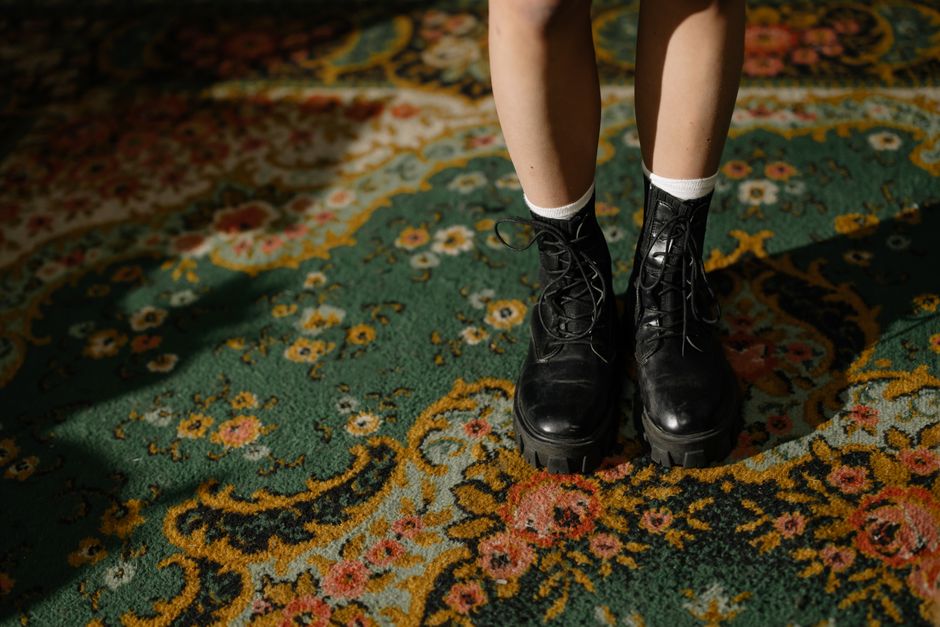
Most vegan boots die early because of neglect, not material failure. Here is the care routine that takes five minutes per week.
After every wear in snow or slush: wipe the upper with a damp cloth to remove salt. Salt is the enemy. It dries out the material and causes cracking. Do not use heat to dry the boots. Stuff them with newspaper and let them air dry at room temperature.
Once a month: apply a vegan leather conditioner. Good options: Will’s Vegan Shoe Cream ($12) or Collonil Carbon Pro ($18, works on all materials). For MIRUM boots, use a natural wax like Otter Wax ($15) to maintain water resistance.
Before first wear each season: spray with a PFC-free waterproofer. Nikwax Fabric & Leather Proof ($14) works on vegan leather and is biodegradable.
Store boots with cedar shoe trees or rolled-up newspaper to maintain shape. Do not store in plastic bags. The material needs to breathe.
The Bottom Line for Winter 2026
Vegan leather has crossed a threshold. The best materials in 2026 are not just ‘less bad’ than leather—they are genuinely good materials with their own advantages. MIRUM is plastic-free and ages beautifully. AppleSkin is soft and flexible in cold. The problem is not the materials anymore. The problem is finding brands that use them honestly.
For most people buying winter boots this year, the Will’s Vegan Store WVSport Waterproof Hiking Boots at $148 is the smartest purchase. It is not the most sustainable option, but it is the best balance of price, durability, and real winter performance. If you can spend $320 and want to support plastic-free innovation, the Good Guys MIRUM Boot is the one to watch.
The next five years will bring more plastic-free materials to lower price points. Mycelium leather is already in prototype phase at several major brands. By 2030, the idea of wearing plastic boots will seem as outdated as wearing PVC raincoats. The transition is happening now, and the boots you buy this winter are part of it.