Finding a handbag that marries quality construction, enduring style, and an accessible price point feels like a treasure hunt. Many brands promise luxury, but few deliver genuine value that holds up to daily life without demanding a fortune. After researching countless options and considering material science, design longevity, and real-world user feedback, it’s clear that the sweet spot for value often lies with contemporary brands that focus on excellent materials and classic silhouettes, rather than just designer prestige. Forget fleeting trends. We’re talking about bags that perform, look good, and don’t break the bank, offering a true return on your investment over years.
The Undeniable Appeal of Coach and its Outlet Sister
For years, Coach has been a quiet champion of accessible quality, often overlooked in the clamor for high-fashion labels. Its main line offers exceptional leather goods, but the Coach Outlet, often referred to as Coach Reserve or Coach Factory, provides an even more compelling proposition for value seekers. This isn’t just about discounted items; it’s about a distinct line of products designed specifically for the outlet, offering similar aesthetics and solid craftsmanship at significantly lower price points. The trick is knowing what to look for and understanding the differences.
The main Coach line, available at department stores and standalone boutiques, typically uses more premium leathers and hardware. Think glove-tanned leather, which ages beautifully, developing a rich patina. Their designs often lean into heritage styles while incorporating modern elements. Bags like the Coach Tabby Shoulder Bag 26 (around $395-$495, depending on material and current promotions) are perennial favorites, known for their structured shape and versatile wear. The Tabby is a workhorse, easily transitioning from day to night. Its hardware is robust, and the internal organization is thoughtful.
Where the value truly shines for many is the Coach Outlet. Here, you’ll find bags like the Coach Gallery Tote (often $100-$150 on sale from a “list” price of $328) or various Pouch Crossbody styles (frequently $80-$120). While the leathers might be slightly different – often crossgrain or pebble leather instead of glove-tanned – they are still genuine leather, durable, and well-finished. The hardware might be lighter, but it remains functional. The key is that these bags are designed to be sold at these lower prices from the start, meaning you’re not getting “lesser quality” of a full-price bag, but a different product line optimized for a different price point. This distinction is crucial. It means you’re getting a bag designed for value, not just a marked-down item. For someone needing a reliable, stylish, everyday bag without spending upwards of $300, Coach Outlet remains a top contender. It’s an earned opinion: the sheer volume of positive reviews and the consistent presence of these bags in daily life speak volumes.
Understanding Coach Outlet Materials
Coach Outlet products typically different leather types compared to the full-price retail line. You’ll often find crossgrain leather, which is embossed and very durable, making it resistant to scratches and water. Pebble leather is also common, known for its softness and ability to withstand wear. While these might not be the ultra-premium, full-grain leathers of the main line, they are still high-quality, genuine leathers chosen for their longevity and ease of care. This material choice allows Coach to offer attractive bags at more accessible prices without sacrificing structural integrity. The stitching is generally strong, and zippers (often YKK) are smooth.
Why Coach Outlet Isn’t “Fake” Quality
A common misconception is that outlet goods are inferior or “fake.” This is incorrect. Coach Outlet bags are authentic Coach products. They are simply part of a separate manufacturing line with different material specifications and design intentions. Think of it like a car manufacturer producing both a luxury sedan and a more economical compact car under the same brand; both are genuine, but cater to different market segments. The value proposition here is that you’re getting robust construction and recognizable brand aesthetics at a price point that makes daily use less anxiety-inducing. For example, a Coach Outlet Mollie Tote (regularly around $129-$179 on sale) can serve as an excellent work or travel bag, offering ample space and organization that belies its modest cost.
Smart Handbag Shopping: Tips Beyond the Tag
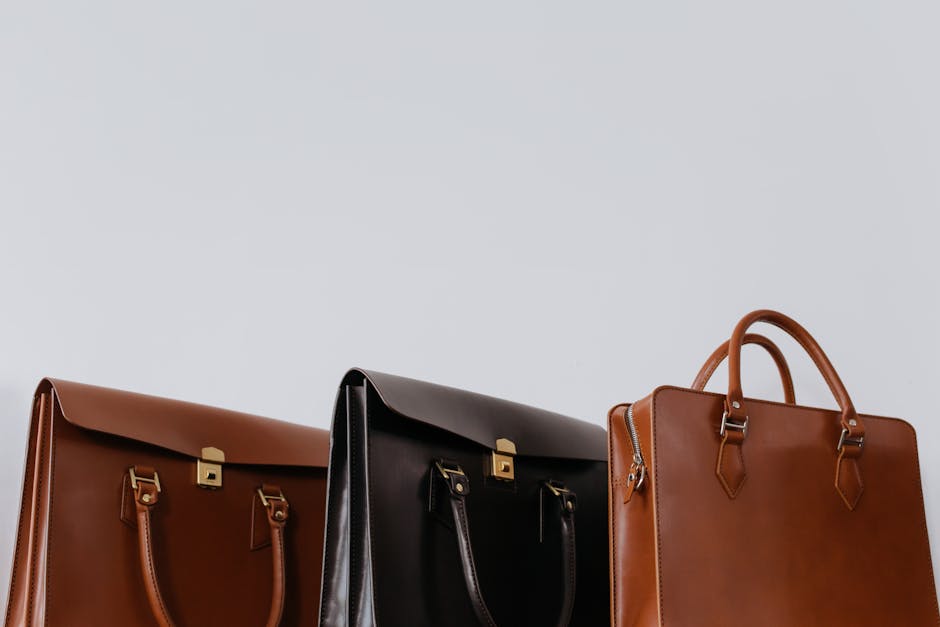
Buying a value handbag isn’t just about hunting for sales. It involves a strategic approach to understanding what makes a bag truly last and what compromises are acceptable for your budget. These tips help you look beyond the initial appeal and assess a bag’s long-term worth.
-
Prioritize Material Quality Over Brand Hype:
Focus on the actual materials. Genuine leather (full-grain or top-grain) will always outperform synthetic alternatives like PU leather or “vegan leather” in terms of durability, aging, and feel. While good synthetics exist, they rarely develop the character of real leather. For non-leather options, look for durable canvases (e.g., coated canvas), high-denier nylons, or quality vegan alternatives made from innovative materials like cactus or mushroom leather, though these often come at a premium. Always check the lining too; a flimsy lining is a red flag, indicating overall cost-cutting.
-
Inspect Hardware and Stitching Closely:
These are often the first points of failure. Zippers should glide smoothly without catching, preferably YKK or equivalent reputable brands. Metal hardware should feel solid, not hollow or flimsy. Clasps and buckles should operate securely. Pay attention to stitching: it should be even, tight, and consistent, with no loose threads. Double stitching in high-stress areas (like strap attachments) is a sign of good craftsmanship. These small details collectively determine how well a bag withstands daily wear and tear.
-
Consider Versatility and Longevity of Style:
A truly valuable bag is one you can use frequently across various occasions and seasons. Opt for classic silhouettes and neutral colors (black, tan, navy, grey) that won’t go out of style quickly. A highly trendy bag, no matter how inexpensive, offers poor value if it’s relegated to the back of your closet after a single season. A classic tote, a structured crossbody, or a simple shoulder bag will always find a place in your wardrobe. Think about your lifestyle: do you need a hands-free crossbody for commuting, a spacious tote for work, or a compact clutch for evenings out? Choose a style that genuinely meets your most common needs.
Contemporary Brands Delivering Solid Value
Beyond the established names, a new wave of contemporary brands has emerged, carving out a niche for themselves by offering well-designed, quality handbags at competitive prices. These brands often bypass traditional retail markups by selling directly to consumers, allowing them to invest more in materials and craftsmanship without inflating the final price. They represent a sweet spot where genuine quality meets thoughtful design, often for less than premium designer tags.
Polène, a French brand, is a prime example. Known for its sculptural designs and high-quality Spanish leather, Polène offers bags that look and feel far more expensive than their price tags suggest. The Polène Numéro Un Mini (around $350-$380) is a standout, offering a distinct silhouette that’s both modern and timeless. It’s a structured piece, often made from full-grain textured calf leather, featuring meticulous stitching and elegant gold-tone hardware. The interior is typically lined with cotton twill, adding to its luxurious feel. While $350 isn’t ‘cheap,’ for the design originality and material quality, it represents exceptional value compared to similar bags from high-end labels that might cost upwards of $1,000. It’s a bag that garners compliments and feels substantial in hand, an investment piece that won’t quickly depreciate in perceived value.
Another brand consistently lauded for its value is Cuyana. Their philosophy, “Fewer, Better Things,” translates into minimalist, high-quality pieces made from Italian leather. The Cuyana Tall Structured Tote (around $248) is a testament to this, offering a spacious, elegant solution for work or travel. It’s crafted from soft, yet durable, Italian leather and features a simple, unlined interior that showcases the leather’s natural beauty. The design is utterly classic, ensuring it remains relevant for years. What makes Cuyana exceptional value is their commitment to ethical production and timeless design, ensuring your purchase isn’t just about aesthetics but also about sustainability and longevity. The craftsmanship is evident in the clean lines and sturdy construction.
Madewell also deserves a mention, especially for its leather tote bags and crossbody styles. The Madewell The Transport Tote (around $188, often on sale for less) is a cult favorite for a reason. Made from semi-vegetable tanned leather, it’s designed to develop a unique patina over time. It’s a no-frills, incredibly practical bag that holds a surprising amount and can withstand significant daily abuse. While not as luxurious as Polène or Cuyana, its raw, honest construction and practical utility make it an outstanding value for an everyday workhorse bag. For a similar aesthetic in a more compact size, their Transport Crossbody (around $128) offers the same durable leather and minimalist appeal. These bags prove that true value isn’t always about the highest price tag, but about meeting a specific need with robust, well-executed materials.
The Rise of Direct-to-Consumer Models
Many of these value-driven contemporary brands thrive on a direct-to-consumer (DTC) business model. By cutting out wholesalers and traditional retail storefronts, they significantly reduce overheads. This allows them to allocate more of their budget to sourcing premium materials, employing skilled artisans, and maintaining quality control, all while keeping their prices considerably lower than legacy luxury brands that operate with multiple layers of distribution and substantial marketing budgets. This streamlined approach directly benefits the consumer, offering access to higher quality goods that would traditionally fall into a much higher price bracket. For example, a leather tote from a DTC brand might cost $200-$300, while a comparable quality bag from a traditional brand could easily be $500-$800.
Longevity Through Design Simplicity
A common thread among these value-oriented brands is a preference for design simplicity. Minimalist designs with clean lines and classic shapes are less susceptible to fleeting fashion trends. This means a bag purchased today from Polène or Cuyana is likely to look just as stylish and relevant five years from now. Complex designs, excessive embellishments, or highly structured, trend-driven silhouettes tend to date quickly. By focusing on fundamental shapes and high-quality materials, these brands ensure that the intrinsic value of the bag — its utility, durability, and aesthetic appeal — endures, making it a smarter, long-term investment. This approach reduces the need for frequent replacements, saving money over time.
Common Questions About Handbag Durability and Value

Navigating the world of handbags for the best value often brings up practical questions about what truly makes a bag last and how to discern quality. Many buyers focus solely on the initial price, but long-term value considers durability, maintenance, and timelessness.
What’s the best leather type for durability?
Full-grain leather is generally considered the most durable and highest quality. It’s the outermost layer of the hide, retaining its natural grain and imperfections, which also means it develops a beautiful patina over time. It’s very strong and resistant to wear. Top-grain leather is the second-best, where the outermost layer is sanded and treated to remove imperfections, making it softer and more pliable, but slightly less durable than full-grain. Beyond these, “genuine leather” can be a mix of various leather parts and isn’t as high quality, though still real leather. For long-term value, prioritize full-grain or top-grain. They might cost more upfront, but they last significantly longer and age gracefully, making them a better investment.
How much should I spend to get a “good” quality handbag?
“Good” quality is subjective, but for a genuinely durable and stylish leather handbag that isn’t fast fashion, you should expect to spend at least $150-$200, and more realistically $250-$500. In this range, you start seeing better leather grades, more robust hardware, and superior craftsmanship. Bags below this price point often make significant compromises on materials (e.g., PU leather, thin linings, cheap hardware) that will lead to faster wear and tear. However, excellent value can be found in outlet stores or during sales from reputable contemporary brands, potentially bringing these prices down. The key is to look for the characteristics of quality (materials, stitching, hardware) rather than just the brand name.
Can I really get good value from non-leather bags?
Absolutely, but you need to be selective. For non-leather options, coated canvas (like Louis Vuitton’s Monogram canvas or Longchamp’s Le Pliage) offers incredible durability and water resistance. High-quality nylon (e.g., ballistic nylon or thick, denier nylon) is also very robust, lightweight, and easy to clean, making it excellent for travel or everyday utility. These materials often cost less than genuine leather but can withstand significant abuse. The trick is to ensure the non-leather material is thick, has a quality backing, and is paired with good hardware and sturdy stitching. Avoid flimsy synthetics that rip or peel quickly. Brands like Longchamp, known for their nylon Le Pliage, offer exceptional non-leather value.
Comparison of Top Value Handbag Picks
To distil the best options, here’s a direct comparison of some of the leading contenders for value in the handbag market. Each offers a different sweet spot for budget, material, and typical use case, but all stand out for their ability to deliver more than their price suggests.
| Brand/Product | Price Range (2026 est.) | Primary Material | Key Feature | Best For | Trade-offs |
|---|---|---|---|---|---|
| Coach Tabby 26 | $395 – $495 | Polished Pebble Leather | Structured, versatile carry, iconic design | Everyday elegance, professional settings | Higher initial investment than outlet options |
| Coach Outlet Gallery Tote | $100 – $150 (sale) | Crossgrain Leather | Spacious, practical, budget-friendly | Daily errands, casual work, first “good” bag | Leather not as premium as main line |
| Polène Numéro Un Mini | $350 – $380 | Full-grain Calf Leather | Unique sculptural design, luxurious feel | Fashion-forward, statement piece, dates | Can be less practical for sheer volume |
| Cuyana Tall Structured Tote | $248 | Italian Leather | Minimalist, spacious, ethical production | Work bag, travel, elegant everyday tote | Unlined interior might not suit all |
| Madewell Transport Tote | $188 (often less on sale) | Semi-veg Tanned Leather | Durable, patinas beautifully, casual | Casual everyday, student, heavy use | Less formal, can scratch more easily |
| Longchamp Le Pliage Original | $140 – $215 | Water-resistant Nylon | Lightweight, foldable, highly durable | Travel, rainy days, casual, gym bag | Nylon isn’t a “luxury” material for everyone |
This table highlights that “value” isn’t a single metric. For some, it means the lowest possible price for a functional item. For others, it’s about getting the absolute best material and design for a mid-tier budget. Coach Outlet provides an entry point to genuine leather and brand recognition at a very accessible price. Polène and Cuyana step up the material and design game, offering a taste of true luxury without the exorbitant price tags of top-tier designer labels. Madewell hits a sweet spot for casual, durable leather. Longchamp, while not leather, proves that non-leather can offer incredible utility and longevity.
The Unsung Hero: Longchamp Le Pliage
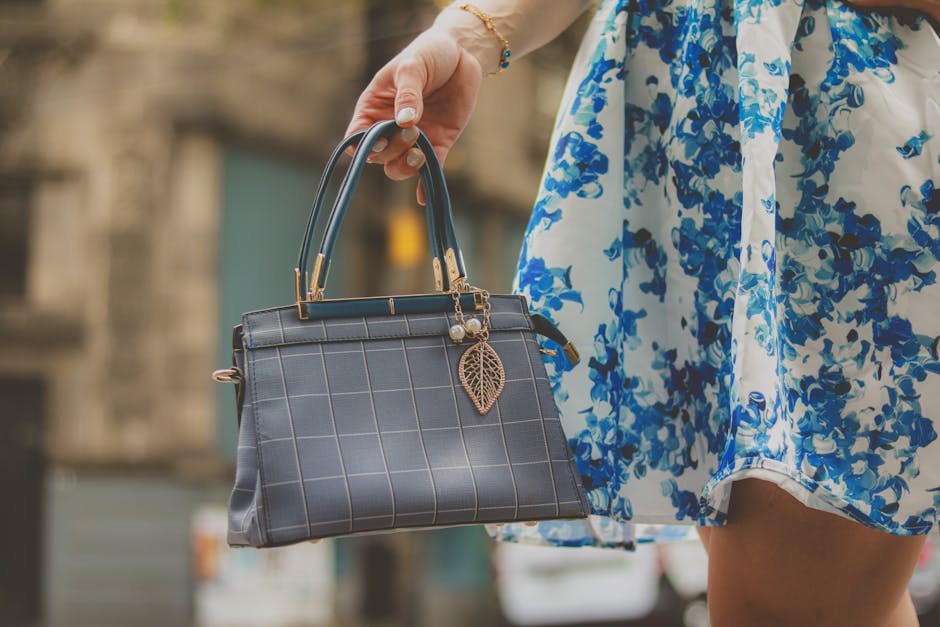
The Longchamp Le Pliage Original Shoulder Bag (prices from $140 for the small to $215 for the large travel size) deserves a special mention for its unparalleled blend of utility, durability, and classic style. While not a leather bag, its water-resistant nylon canvas is virtually indestructible, making it ideal for travel, daily commutes, or as a general workhorse bag. Its ability to fold down for storage is a practical marvel. It’s a bag that simply performs, season after season, without fuss or pretense.
When seeking the best value in handbags, the research points to a clear strategy: prioritize quality materials like genuine leather (full-grain, top-grain) or robust synthetics (coated canvas, high-denier nylon), inspect hardware and stitching meticulously, and choose timeless designs over fleeting trends.
- For accessible leather quality: Coach Outlet (e.g., Gallery Tote, $100-$150 on sale) offers genuine leather bags with solid construction at exceptional prices.
- For premium materials & unique design: Polène (e.g., Numéro Un Mini, $350-$380) delivers sculptural beauty with high-grade Spanish leather.
- For minimalist elegance & ethical focus: Cuyana (e.g., Tall Structured Tote, $248) provides Italian leather bags with timeless appeal.
- For casual, durable leather: Madewell (e.g., The Transport Tote, $188) stands out with its raw, hard-wearing leather that ages beautifully.
- For ultimate utility & weather resistance: Longchamp (e.g., Le Pliage, $140-$215) is the undisputed champion among non-leather options for its practical durability.
The best value handbag isn’t the cheapest, but the one that offers the most meaningful return on your investment through longevity, versatility, and enduring style.