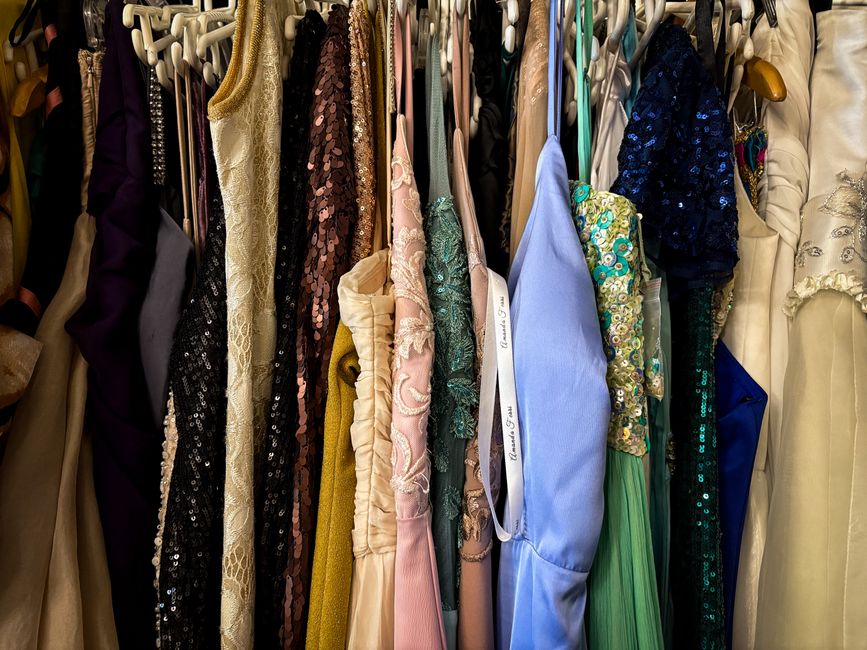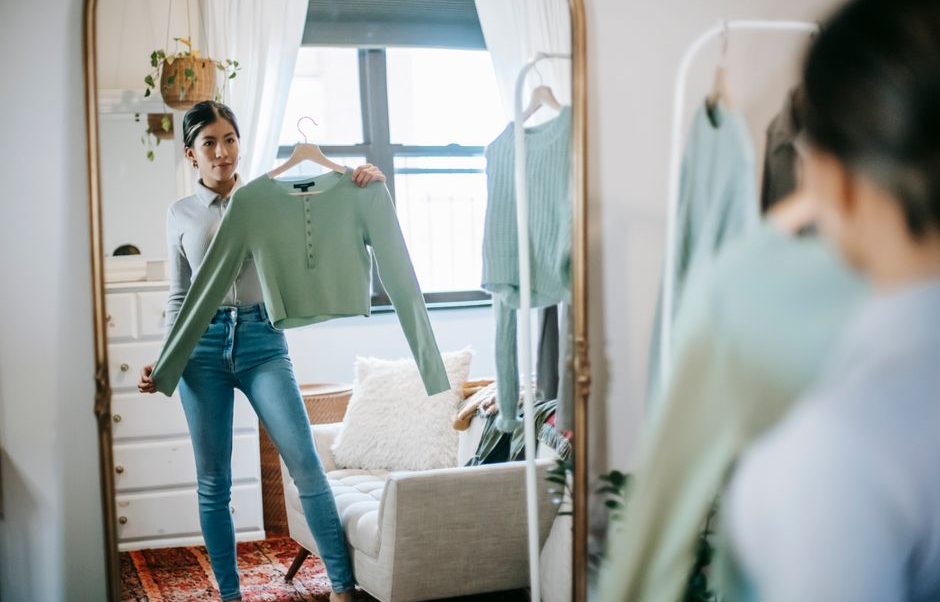
Can twelve pieces really get you through spring without making every outfit look the same? Yes, but only if every item has a job. A capsule wardrobe is not a pile of beige basics. It is a small system built around repeatable layers, useful color, and clothes that handle real temperature swings.
What a 12-piece spring capsule actually solves
The real problem is outfit friction
Most overloaded wardrobes fail in the same way: they contain plenty of individual clothes but very few complete outfits. A floral blouse needs one specific skirt. A cropped jacket works with one pair of trousers. A dramatic shoe looks good for ten minutes and then makes the rest of the closet harder to use. The problem is not a lack of clothing. It is a lack of connection between pieces.
A spring capsule wardrobe fixes that by giving each garment several partners. The goal is not to own less for moral credit. The goal is to make getting dressed faster and more predictable.
Build around temperature, not a fantasy season
Spring can mean 48 degrees in the morning, 70 degrees at lunch, and rain by dinner. That makes layering more useful than buying a large number of short-sleeve tops. Start with one light outer layer, one warm mid-layer, and breathable pieces underneath. A cotton tee under a shirt works on a mild day. Add a cardigan or blazer when the temperature drops.
Use one neutral base and two supporting colors
Choose one dark neutral, one light neutral, and two accent colors. Navy with ivory and pale blue feels softer than black with white. Brown with cream and muted red has more warmth. Keep shoes and outerwear inside the neutral group. Put color into tops, skirts, or accessories. This keeps the twelve pieces flexible without making the wardrobe visually flat.
The 12 pieces worth choosing before you shop
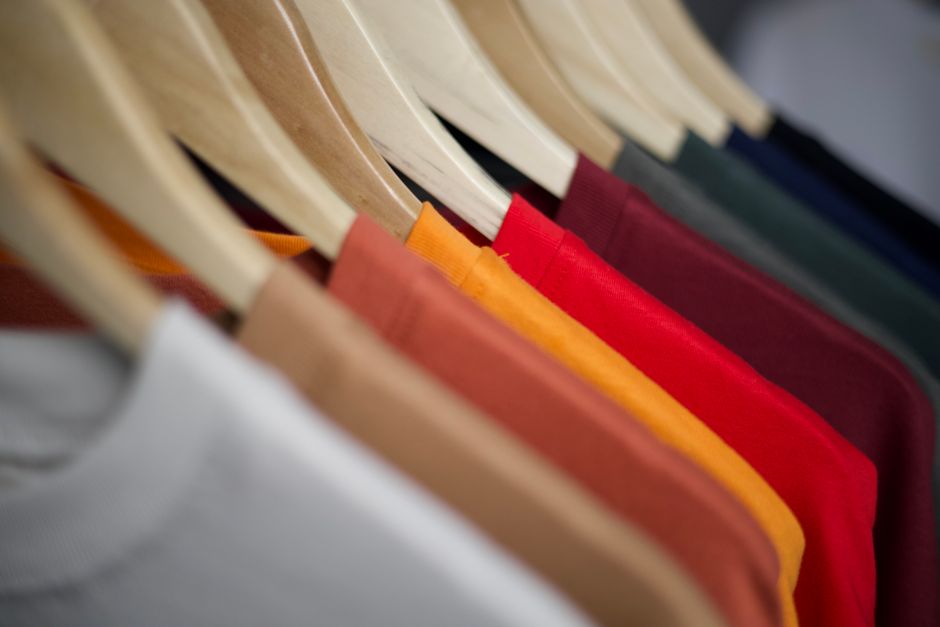
Start with categories, then pick the actual garments. Buying twelve attractive items at random gives you twelve attractive problems.
The exact twelve-piece structure
- One fitted or relaxed white tee, such as the Everlane Organic Cotton Box-Cut Tee at about $30.
- One fine knit top in navy, gray, or cream.
- One cotton or linen button-up. The Uniqlo Premium Linen Shirt has commonly sold around $39.90 in the U.S.
- One lightweight cardigan.
- One tailored blazer in navy, charcoal, or tobacco.
- One rain-friendly jacket, such as a cotton trench or short utility jacket.
- One medium-wash straight-leg jean. The Levi’s 501 Original Fit is listed at a $110 full price in the U.S.
- One dark trouser with a clean, straight leg.
- One midi skirt in denim, cotton, or a fluid fabric.
- One simple day dress that works with sneakers and loafers.
- One low-profile sneaker. The adidas Samba OG is listed at $100 in the U.S.
- One loafer, ballet flat, or low block-heel shoe.
The category test that prevents bad purchases
Before buying any piece, name three outfits using clothes already in the capsule. If you cannot do that in under a minute, leave it. The strongest purchases are not always the most exciting ones. A $30 tee that works under a blazer, with jeans, and beneath a cardigan earns its space faster than a $120 top that only works with one bottom.
How 12 pieces become 30 useful outfits
The outfit count comes from combinations, not from owning twelve completely different looks. A workable capsule repeats silhouettes while changing texture, color, and layering. That is why a shirt can appear open over a tee on Monday, tucked into trousers on Wednesday, and worn under a blazer on Friday.
The outfit math
| Piece | Primary job | Realistic outfit uses |
|---|---|---|
| White tee | Base layer | 8 |
| Fine knit top | Warm top | 5 |
| Linen or cotton shirt | Layer and polished top | 7 |
| Cardigan | Soft mid-layer | 6 |
| Blazer | Structure | 6 |
| Light jacket | Weather layer | 5 |
| Straight-leg jeans | Casual bottom | 9 |
| Dark trousers | Smart bottom | 6 |
| Midi skirt | Feminine or relaxed bottom | 5 |
| Day dress | One-piece outfit | 4 |
| Low-profile sneakers | Daily shoe | 10 |
| Loafers or flats | Polished shoe | 7 |
The proof is seven days, not an imaginary number
Do not claim you have thirty outfits until you can plan seven consecutive days without repeating the same full look. Use different combinations of top, bottom, and layer. If the same cardigan appears in five of seven outfits, that is useful information: it may be the hardest-working item in the wardrobe, or it may show that you need a second mid-layer with a different shape.
Which spring fabrics survive real weather

Choose cotton, linen blends, and light merino before delicate trend fabrics. They handle movement, layering, and repeated wear better. A capsule should feel easy on a Tuesday morning, not require special handling before every commute.
Use a fabric ladder
Put lightweight cotton closest to the skin. Cotton jersey works for tees, but choose a fabric around 150 to 200 GSM if you want it to hold its shape. Use cotton poplin or a linen-cotton blend for shirts because they breathe without becoming as transparent or crumpled as very light linen. A fine merino knit adds warmth without the bulk of a chunky sweater. For bottoms, choose denim around 10 to 12 ounces or a medium-weight cotton twill. These fabrics create structure and survive regular wear.
Plan for rain, wind, and indoor heat
Do not build the capsule around fabric alone. Finish the system with layers that respond to the day. A light jacket should cover a tee and a shirt. A blazer should fit over the knit top without pulling at the shoulders. Avoid buying a delicate silk blouse as one of the twelve core pieces if your normal spring life includes public transport, outdoor lunches, or frequent washing. Silk can be beautiful, but it is a poor foundation when you need clothes that recover quickly from ordinary use.
The mistakes that wreck a capsule wardrobe
Most capsule wardrobes fail during shopping, not during styling. These are the traps that make twelve pieces feel restrictive.
Five expensive mistakes
- Buying the same silhouette repeatedly. Three oversized shirts are not variety. Add one close-fitting layer and one structured layer so the proportions change.
- Choosing color before fit. A perfect sage-green jacket that pulls across the back is still a bad jacket. Fit determines how often you wear something.
- Ignoring shoe volume. Wide-leg trousers need a shoe with enough visual weight. A very delicate flat can make the outfit look unbalanced.
- Adding occasion clothes too early. A satin skirt may be useful, but it should not displace the trousers or day dress that handle ordinary weeks.
- Counting accessories as wardrobe pieces. Scarves and belts can change an outfit, but they cannot replace a missing layer or usable bottom.
The return test
Wear each new item at home with three existing pieces. Sit down, walk quickly, raise your arms, and check the fabric in daylight. Return anything that needs constant adjusting. Spring clothes get worn in motion, under coats, and across changing temperatures. A garment that only looks good while standing still is not earning a place in a twelve-piece system.
The 12-piece spring capsule I would wear
My verdict: build the capsule around one straight jean, one polished trouser, one skirt, and three reliable layers. That combination gives you enough structure for work, enough comfort for errands, and enough range for unpredictable weather.
The shopping order
Buy the bottoms first. Check that the straight jean, trouser, and skirt work with the same two or three tops. Add the white tee and button-up next. Then buy the cardigan, blazer, and light jacket. Shoes come last, because the right pair depends on the hems and proportions you actually chose. This order stops a beautiful shoe from dictating the whole wardrobe.
A week that proves the system
| Day | Outfit formula |
|---|---|
| Monday | White tee, dark trousers, blazer, loafers |
| Tuesday | Linen shirt, straight jeans, sneakers |
| Wednesday | Fine knit top, midi skirt, cardigan |
| Thursday | Day dress, light jacket, sneakers |
| Friday | White tee, midi skirt, blazer, flats |
| Saturday | Linen shirt over the tee, jeans, sneakers |
| Sunday | Fine knit top, trousers, cardigan, flats |
So, can twelve pieces carry spring? Yes. Start with clothes that solve temperature changes and outfit repetition, then add one personal piece that makes the wardrobe feel like yours. That is how a small closet stops being a restriction and starts answering the morning question quickly.