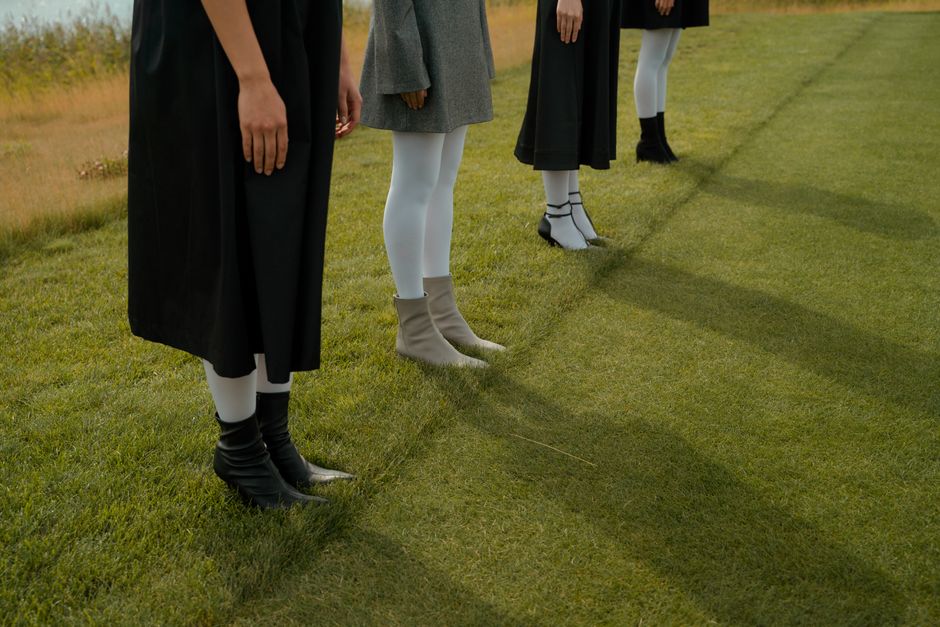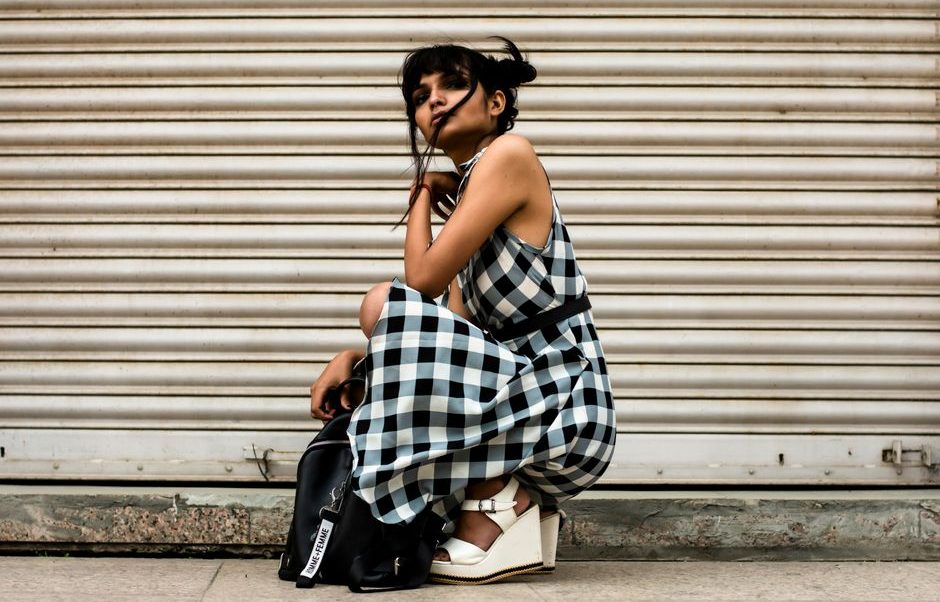
A 3 cm sole can turn a flat sandal into a different walking tool. It changes posture, ground contact and how long the shoe stays comfortable. That is why a pretty pair can fail within an hour while a less dramatic design survives a full day.
This guide treats sandals like a consumer comparison: clear specs, visible tradeoffs and no vague promise that one shape works for everyone. Footwear has no AM Best rating or J.D. Power score, so the closest substitute is a transparent look at fit, materials, grip and limits. As with insurance premiums, which vary by state and individual factors, sandal prices vary by retailer, tax, stock and sale timing.
What Each Sandal Shape Actually Solves
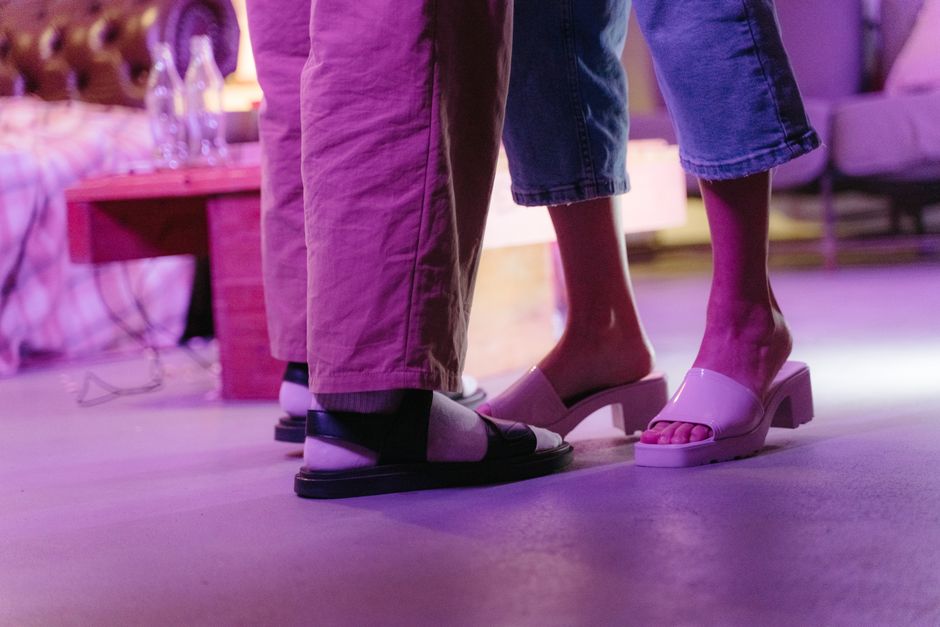
Slides solve fast access
Slides remove the friction of getting dressed. You can step into them in seconds, and a broad upper usually spreads pressure across more of the foot than a narrow thong. That makes slides useful for pool decks, short errands and outfits built around relaxed linen or denim.
The tradeoff is control. A slide has no rear strap, so your toes may grip the footbed to keep the shoe in place. That repeated gripping can tire the forefoot on long walks. Slides also tend to move inside the shoe on steep pavement or wet floors.
Espadrilles and strappy flats solve different style problems
Espadrilles add texture and a soft Mediterranean line to dresses, wide-leg trousers and skirts. Their fabric uppers often feel less rigid than leather, but jute soles do not belong in heavy rain or deep puddles. They work best on dry streets, patios and travel days with moderate walking.
Strappy flats provide the most secure visual frame. An ankle strap or heel strap holds the foot more firmly, while several slim straps can make a simple outfit look polished. Their weak point is pressure: one badly placed strap can rub the toes, instep or ankle. For most wardrobes, these three shapes are not rivals. They cover separate jobs.
Slides, Espadrilles or Strappy Flats?
The comparison table
| Sandal type | Best use | Main strength | Main risk |
|---|---|---|---|
| Slides | Pool, errands, short walks | Fast on-off wear | Foot can slide forward |
| Espadrilles | Dry travel, dresses, casual dinners | Texture and light structure | Jute dislikes water |
| Strappy flats | City days, offices, dinners | Secure, dressed-up fit | Straps can create hot spots |
| Sport sandals | Trails, long walks, wet ground | Adjustability and grip | More technical appearance |
The consumer verdict
Choose slides for convenience, espadrilles for warm-weather styling and strappy flats for the widest range of smart-casual outfits. If one pair must cover long walks, uneven pavement and wet weather, none of the first three is the responsible pick; choose a sport sandal with a heel strap and textured rubber outsole.
Look at the sole before the color. A smooth leather outsole may look refined but can feel uncertain on polished stone. A deep rubber tread improves grip but gives the shoe a more casual profile. That small tradeoff matters more than a seasonal color name.
How to Fit Sandals Before the First Hot Day
The five-minute fit test
- Try sandals late in the day, when feet have expanded slightly.
- Stand with your full weight on both feet. Your heel and toes should stay inside the footbed.
- Walk for five minutes on a hard floor. Reject any pair that makes you claw your toes to stay inside it.
- Check every strap with one finger of space. Tight straps leave marks; loose straps let the foot slide.
- Test stairs and a gentle slope. A sandal that feels stable only on flat carpet is not ready for summer pavement.
Break-in without the blister
Wear a new pair indoors for 20 to 30 minutes on the first day, then increase the time by 15 to 20 minutes. Do not make the first test a sightseeing trip. Cover a known rubbing point with a blister patch before irritation starts, and stop if the foot feels numb rather than merely snug.
Fit is not a number printed on the box. Two sandals marked the same size can differ in toe shape, arch height and strap placement. The winning pair is the one that stays quiet while you walk.
Three Specific Pairs Worth Comparing in 2026
Best slide for simple, water-friendly wear
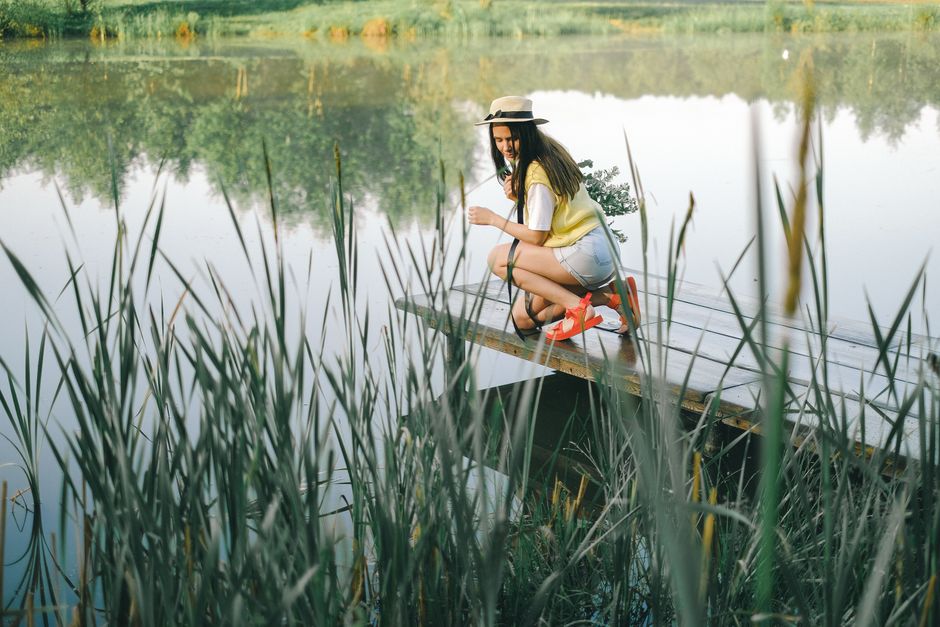
Birkenstock Arizona Essentials EVA is the clearest slide choice for poolside use and short summer errands. The listed price is $54.95, and the EVA construction keeps the shoe light and easy to wipe clean. Its two-strap design gives more adjustment than a single-band slide. The verdict: choose it for casual wear and wet-adjacent settings, but do not confuse an easy-clean upper with the support of a walking shoe.
Best espadrille for dry travel
Soludos Dali Original Espadrille costs $79 at the listed price and uses a 10-ounce organic cotton canvas upper, a traditional jute base and a 15 mm, or 0.7-inch, base height. The brand lists a flexible fit and a 30-minute molding period. The verdict: this is the strongest style-led choice for dry streets, travel outfits and casual dinners. Skip it for rain because damp jute dries slowly and can lose its shape.
Best strappy flat for a polished outfit
Forever & Always Shoes Antas Strappy Leather Flat Sandals are listed at $159 and use Italian Nappa leather with a 1.18-inch, or approximately 3 cm, outsole and an adjustable strap. The verdict: this pair earns the higher price when you need a refined sandal for dresses, linen trousers or dinner. Check strap placement carefully because a sleek upper leaves little room to hide a poor fit.
When Not to Buy a Slide, Jute Sole or Thin Strap
Skip the slide when control is the real requirement
Do not buy a slide for a full day of walking if your toes already grip when you wear loose shoes. That is a failure mode, not a character flaw in your feet. The same warning applies to steep streets, crowded transit and surfaces that become slick after rain. A heel strap and adjustable upper provide better control because they reduce the work your toes must do.
Do not buy a jute-soled espadrille for a destination with frequent rain, beach surf or damp grass. Jute brings texture and a low, flexible profile, but it is not a sensible wet-weather material. Pack a rubber-soled backup instead.
Skip the thin strap when your foot needs room
Thin straps look delicate, yet they concentrate pressure on a small strip of skin. Avoid them if you have bunions, swelling or a broad forefoot unless the design offers useful adjustment. A common mistake is sizing up to create width; that often leaves the heel loose while the painful strap stays in the same place.
Another mistake is judging sandals while standing still. Walk, turn and climb stairs. A shoe can look perfect in a mirror and still fail at the first curb. For long city days, prioritize a stable footbed, a secure rear hold and a sole with visible traction over a minimal silhouette.
Sandal Questions Shoppers Ask Before Paying
Are flat sandals better for long walking?
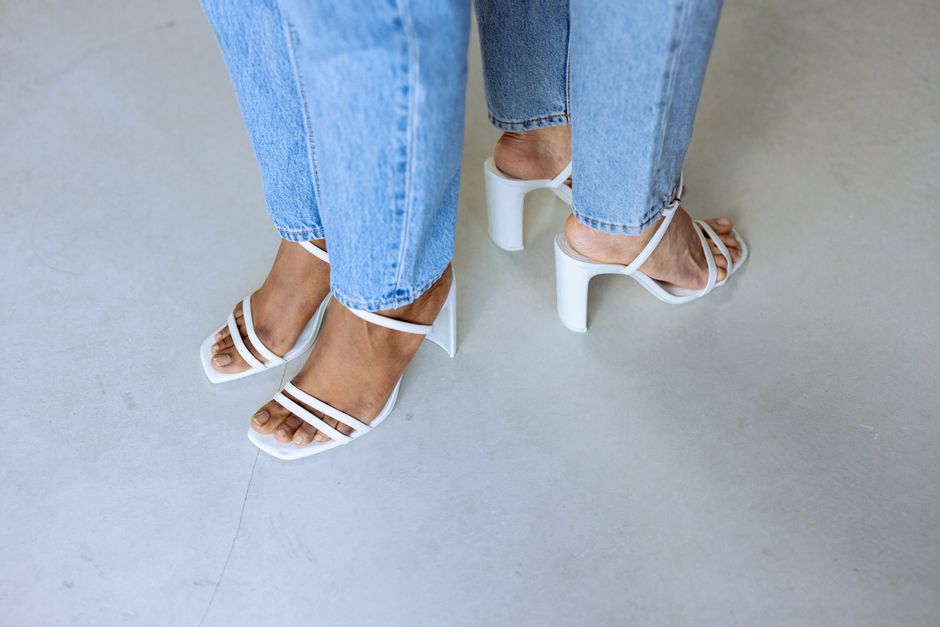
Not automatically. A low heel reduces height, but comfort also depends on cushioning, footbed shape, grip and how securely the upper holds the foot. A flat sandal with a thin, hard sole can feel worse than a slightly raised design with stable support.
Should sandals feel tight when new?
They should feel secure, not compressed. Leather and fabric may soften, but they will not reliably create extra length. If your toes touch the front edge or a strap leaves a deep mark after five minutes, choose another size or shape.
Can one pair cover an entire vacation?
Only if the trip has a narrow activity range. A practical packing plan uses one polished pair, one walking pair and one easy-clean pair. That small rotation reduces wear, gives wet shoes time to dry and prevents a beautiful but unsuitable sandal from carrying every mile.
The Three-Sandal Rotation That Earns Its Closet Space
Build around three jobs
Start with a secure walking sandal for pavement, travel days and unexpected distance. Add a polished strappy flat for dinners, offices and outfits that need a cleaner line. Finish with a slide for quick errands, hotel rooms and poolside use. This rotation works because each shoe has a defined risk limit.
Use neutral colors strategically: black or dark brown handles evening outfits, tan works with denim and linen, and a brighter shade can provide the accent that makes a simple dress feel deliberate. Do not buy three versions of the same weak point.
The final verdict
For most summer wardrobes, strappy flats offer the widest style range, espadrilles deliver the strongest seasonal texture and slides win on convenience. A 3 cm sole is useful when it adds stability and comfort, not when it simply adds height. The right purchase resolves the opening problem: instead of choosing a sandal that looks good for five minutes, choose the one whose shape, materials and limits match the day ahead.