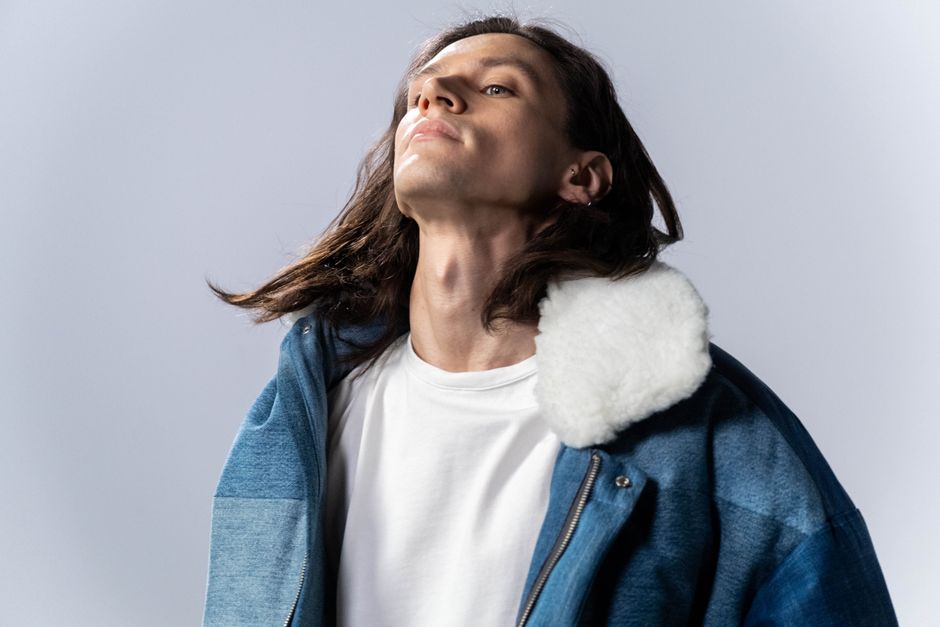
You have saved twelve runway screenshots but still do not know what belongs in your closet. Start with the clothes you already wear to work, dinner, and cold-weather errands. The February 2026 shows point to bigger shoulders, plush texture, strong outerwear, bright red, dark romantic details, and sportswear with a polished finish. The useful part is not copying a complete look. It is choosing one proportion, one texture, and one practical layer that can survive more than one season.
Why the February 2026 runways felt different
The main shift was useful drama
The February shows moved away from a single quiet-luxury formula. Designers still used clean tailoring, black, gray, and long coats, but they added visible shape. Shoulders became broader, hips became rounder, collars grew taller, and outerwear took up more space around the body. London pushed faux fur, oversized closures, decorative knitwear, and elevated sportswear. Paris continued the strong-shoulder story while adding thigh-high boots, dropped waists, black dressing, and dramatic coats. New York leaned more commercial, with funnel necks, boat necks, relaxed tailoring, and pieces that can move from office to weekend.
Read the season as a wardrobe system
The most wearable message is simple: buy structure first, then add texture. A large coat can make a plain sweater feel current. A red scarf can bring a black outfit into the season without forcing you into a full red suit. A technical jacket can look polished when paired with tailored trousers instead of leggings and running shoes. This matters because runway images compress several trends into one look, while a normal closet needs pieces that work separately. The strongest February trend is not a single color or hemline. It is controlled contrast: a soft texture with a sharp shoulder, a sporty layer with a dressy shoe, or a romantic detail over a practical base.
My verdict: start with outerwear and proportions, not novelty accessories. Those two choices will change the shape of your existing wardrobe faster and cost less than rebuilding every outfit.
How to translate runway proportions into clothes you will wear
Step 1: Find the shape before the trend name
- Stand in front of a mirror wearing the trousers and shoes you use most. Take a front and side photo in natural light.
- Choose one silhouette change. Pick broad shoulders, a long straight coat, a dropped waist, a rounded hip, or a narrow column. Do not buy three new shapes at once.
- Check the shoulder seam. On a structured jacket, it should sit at your shoulder or extend no more than about 1 inch beyond it unless the oversized shape is deliberate.
- Check coat length against your shoes. A calf-length coat works best with a shoe that has enough visual weight, such as a substantial loafer, boot, or sneaker.
Step 2: Use the two-layer test
Before buying, wear the thickest sweater you own under the item. Raise both arms, sit down, and close every button or zip. You need about 1 to 2 inches of ease across the chest and upper arm for comfortable layering. If the garment only looks good over a thin top, it is a styling photo, not a dependable winter purchase. For broad shoulders, balance the lower half with straight or gently wide trousers. For a long coat, keep the first layer close to the body so the outfit does not become a shapeless block.
This test prevents the most common runway mistake: buying volume in the wrong place. The goal is one clear proportion, supported by the rest of the outfit.
Which February trend is the safest buy?
Use the trend-to-wardrobe test
Score each idea by wearability, weather value, and how easily it works with your existing clothes. A trend that looks exciting but needs a special shoe, special bag, and special occasion will sit in the closet. The table below gives a practical starting point using typical US price bands for fall and winter clothing.
| Runway signal | What to look for | Typical starting budget | Verdict |
|---|---|---|---|
| Oversized tailoring | Soft shoulder, longline jacket, double-breasted front | $150 to $450 | Best first purchase for work and daily wear |
| Faux-fur texture | Collar, stole, cuff, or short jacket in a dense pile | $50 to $300 | Buy as one accent if your coat collection is basic |
| Dark romance | Velvet, lace, ruffles, deep red, or plum | $40 to $250 | Best for evening pieces and small color updates |
| Sportsmart dressing | Technical fabric with tailored trousers or refined shoes | $80 to $350 | Best for commuters and wet, cold cities |
| Thigh-high boots | Close fit, stable heel, flexible shaft | $150 to $700 | Skip unless you will wear them at least twice a month |
The safest winner is structured outerwear
Choose the oversized tailoring row if you want one item that changes many outfits. It adds the broad shape seen across the February shows without locking you into a costume. Faux fur is the next-best choice when your coat already fits well. Add it at the collar or cuff instead of buying a full statement coat. My clear ranking is structured outerwear first, sportsmart second, texture third, and thigh-high boots last.
How to choose a runway coat that earns closet space
Does oversized mean two sizes too large?
No. Runway volume comes from cut, not random extra fabric. The COS Oversized Double-Breasted Wool Long Coat costs $449 and has an oversized fit, exaggerated lapels, soft shoulders, a back vent, and a listed size-small back length of 44.09 inches. Its shell is 75 percent recycled wool and 25 percent recycled polyamide. Those details matter because the coat creates space through the shoulder and body while keeping a deliberate line through the hem.
Measure your favorite coat from shoulder to hem, then compare that number with the new coat. If the new style is more than 4 inches longer, try it with the shoes you actually wear. A long hem can look elegant with a substantial boot but awkward with a delicate flat. Check the sleeve opening too. A wide sleeve makes layering easy, but it can let cold air in during windy weather.
When should you choose a fitted coat instead?
Choose the J.Crew Lady Day Coat when you want a defined waist, shorter length, or formal shape. Choose the COS coat when you want room for sweaters, a modern shoulder, and one layer that can cover jeans, trousers, or a dress. Neither shape is automatically more fashionable. The correct choice is the one that solves your daily problem without needing constant adjustment.
What fabric details should stop the purchase?
Reject a coat that feels heavy but has no lining, pulls across the back when you move, or uses a vague fabric label with no fiber breakdown. Check the care label before paying. Dry-clean-only wool can cost more over a season than expected, while a machine-washable thermal layer such as the $34.90 UNIQLO HEATTECH Ultra Warm High Neck is easier to maintain. Also avoid pale faux fur if you commute on public transport or carry a dark shoulder bag that will transfer dye. Practical friction destroys the excitement of a trend quickly.
The best coat is the one that gives you the runway proportion, covers your real layers, and still works after the trend report disappears.
When not to buy the runway version
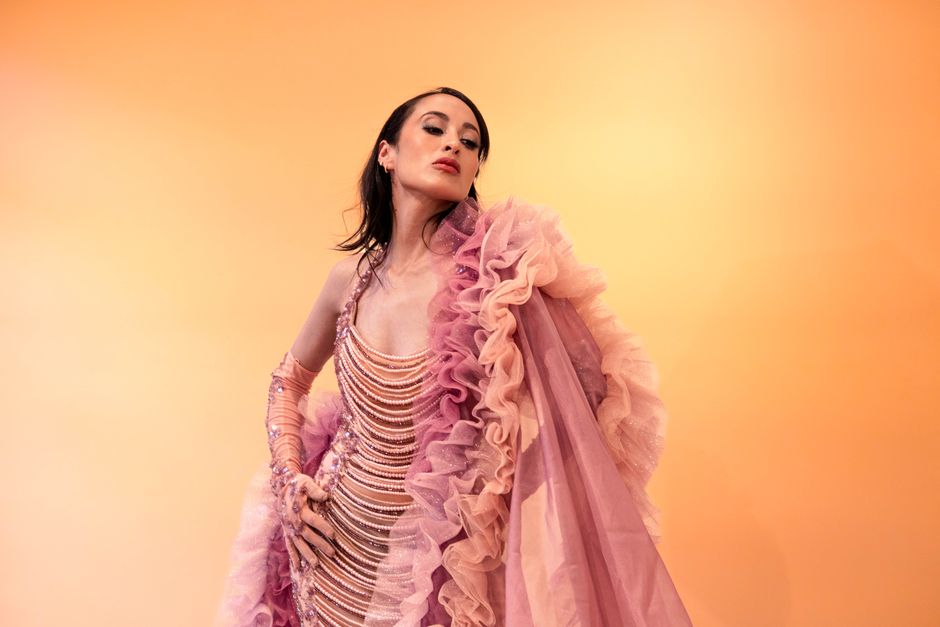
My opinion: skip the full statement look.
Do not buy a head-to-toe runway outfit just because several trends appear together in one photograph. Skip a full faux-fur coat if you already own a warm coat and live in a climate where it will look impractical for most of the season. Skip thigh-high boots if you usually walk more than 20 minutes at a time, cannot test the shaft while sitting, or will only wear them with one dress. Skip extreme shoulders if your current jackets already pull at the upper arm. A trend should reduce outfit effort, not create a second job.
The final buying order
- Buy one well-cut coat first. The COS Oversized Double-Breasted Wool Long Coat at $449 is my best overall pick for a fashion reader who wants the February 2026 shape, layering room, and a neutral color that will last.
- Add the UNIQLO HEATTECH Ultra Warm High Neck at $34.90 if your climate requires a warm base layer.
- Choose the J.Crew Lady Day Coat with Faux-Fur Shawl Collar at $398 instead of the COS coat if you prefer a fitted, polished silhouette.
For most wardrobes, the clear recommendation is the COS coat paired with a slim thermal base and one small red or faux-fur accent. That combination captures the strongest fall/winter fashion week trends while remaining warm, repeatable, and easy to wear on an ordinary Tuesday.