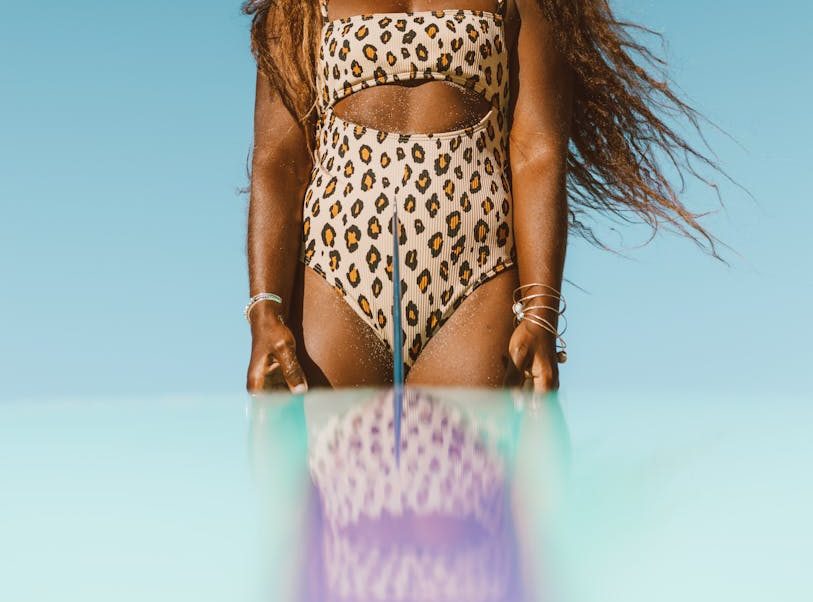
Every spring, it used to hit me: the dread. That moment when the sun comes out, and suddenly, the internet is flooded with photos of effortlessly perfect bodies in tiny bikinis. And then the inevitable thought creeps in: “Oh god, it’s almost swimsuit season. Time to find something that doesn’t make me want to crawl into a hole.” For years, I struggled, trying on what felt like a hundred different suits, only to walk out of the changing room feeling worse than when I went in. My biggest hang-up? My tummy. It’s just how my body is built, and honestly, after years, I’ve accepted it. But accepting it doesn’t mean I want it to be the first thing everyone sees when I hit the beach or pool. I wanted to feel comfortable, confident, and like I could actually enjoy myself instead of constantly pulling, adjusting, or hiding behind a towel. I’ve spent a fortune, made countless mistakes, and finally, I’ve figured out what works. Forget the marketing fluff; I’m going to tell you what actual styles and brands will make you feel good.
Forget the "Magic" Suits – Focus on Smart Design, Not Gimmicks
Look, I’ve fallen for the trap of buying a suit advertised as “instantly slimming” or “miracle control.” More often than not, these pieces are either uncomfortable, ugly, or just plain don’t work. The real magic isn’t in a vague promise; it’s in specific design elements that have been proven to flatter and support. Don’t buy a suit because it claims to make you “two sizes smaller.” Buy it because it uses smart construction.
The Truth About Compression Fabric
Yes, compression fabric can help. But there’s a huge difference between light shaping and feeling like you’re wearing a wetsuit that’s two sizes too small. Good compression fabric, often a blend of nylon and Spandex (or Lycra), will feel firm but not restrictive. It should smooth, not squeeze. Brands like Miraclesuit are famous for their “control fabric,” which uses three times the Lycra of average swimwear. This isn’t just a marketing ploy; it truly does provide substantial shaping. However, that level of compression isn’t for everyone. I’ve found that a moderate compression from brands like Lands’ End or even some Speedo options offers enough support without making me feel like I can’t breathe. It should feel like a gentle hug, not a vice grip. Anything too tight will create bulges in other places and become unbearable after an hour.
Why Ruching is Your Best Friend
This is probably the single most effective design trick for camouflaging a tummy, and it’s shockingly simple. Ruching is gathered fabric, usually at the sides or across the front of a swimsuit. It creates texture and visual interest, which distracts from and disguises any lumps or bumps. Instead of a smooth, taut surface that highlights every curve, ruching breaks up the line of your torso. I swear by it. A suit with vertical ruching on the sides pulls the eye inward, creating an illusion of a narrower waist. Horizontal ruching across the midsection adds volume in a flattering way, effectively hiding anything you don’t want on display. It’s not about making you smaller; it’s about making the eye dance over the fabric, not settle on a specific area. I’ve had incredible success with specific ruched one-pieces from Summersalt; their Sidestroke swimsuit, while not explicitly “tummy control,” has diagonal seams and some subtle ruching that works wonders.
The Power of Strategic Prints
Avoid solid, light colors on your midsection unless they have heavy ruching. Darker colors are generally more forgiving, but strategic prints are where it’s at. Busy, all-over prints, especially those with abstract designs or florals, work similarly to ruching by breaking up the visual line. Your eye doesn’t land on a single point. Think about a suit with a bold pattern on the top and bottom, or one where the pattern is more concentrated around the waist or bust, drawing attention away from the tummy. Vertical stripes can elongate the torso, but be careful with horizontal stripes on the midsection if they are too wide or contrasting. A continuous, fluid pattern is better than one that creates stark divisions. I’ve found that suits with a darker bottom half and a patterned top often create a nice balance, but an all-over intricate pattern is truly the most effective for full camouflage.
My Go-To Styles: The One-Piece That Changed Everything
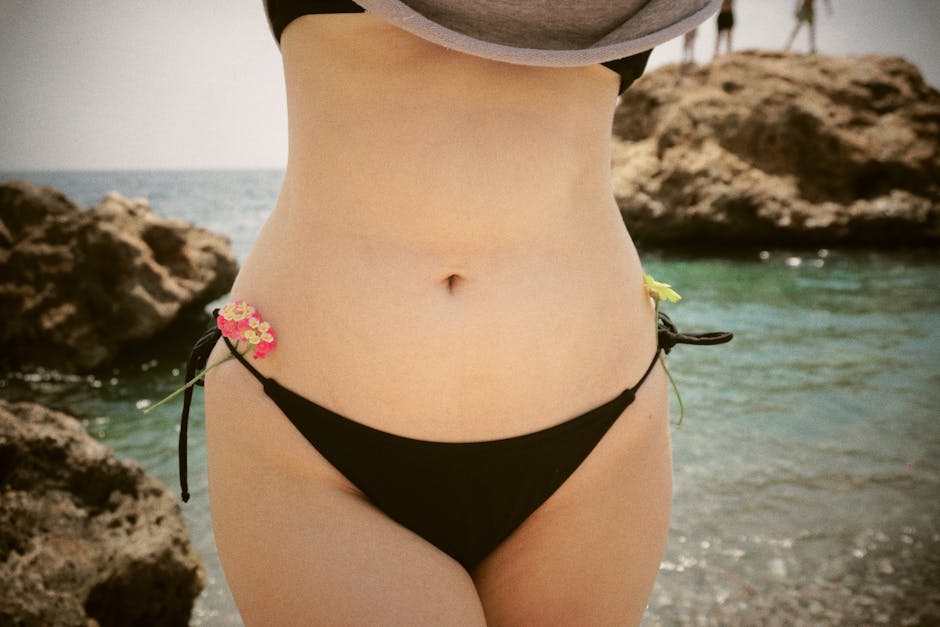
After years of trial and error, I’ve narrowed it down to a few specific one-piece styles that consistently make me feel good. These aren’t just “okay” options; these are the ones I reach for again and again. They prove that a one-piece doesn’t have to be frumpy to be flattering.
The Miraclesuit: Is the Hype Real?
Yes, the hype is real, but you need to know what you’re getting into. Miraclesuit is probably the most famous brand for tummy control, and they claim to make you look “10 pounds lighter in 10 seconds.” Their secret is a proprietary fabric called Miratex, which has three times the Lycra of traditional swimwear. When you put one on, you absolutely feel it. It’s like a very firm hug. I own their "Sanibel" style, which features diagonal ruching and a flattering V-neck, and it genuinely creates a smoother silhouette. It costs around $160-190, which is steep, but for a suit you feel truly confident in, it can be worth it. The downside? It can feel quite restrictive if you’re not used to high compression, and it takes a bit of effort to get on and off. If you prioritize maximum smoothing and don’t mind the firm feel, this is a top contender. Don’t size down; buy your true size, or even size up if you’re between sizes, because their compression is no joke.
Lands’ End Tummy Control One-Pieces: A Solid, Affordable Bet
For a more comfortable, yet still effective, option, I always recommend Lands’ End. Their "SlenderSuits" line offers moderate tummy control through a built-in mesh lining. They typically use good quality fabric (often 80% nylon/20% Spandex) that holds its shape well. What I appreciate most about Lands’ End is their variety of styles – from classic scoop necks to elegant V-necks, and a wide range of cup sizes and torso lengths. Their ruched control one-pieces, often priced between $80-$120, are excellent value. I particularly like their "Slender V-neck Underwire One Piece Swimsuit" for the added bust support, which creates a lifted look that balances the midsection. They might not give you the extreme compression of a Miraclesuit, but they offer great smoothing and comfort for everyday wear at the beach or pool.
Speedo’s Classic Shaping Range: Unexpected Comfort
You probably associate Speedo with competitive swimming, but they actually have a fantastic "Shaping" range that’s surprisingly effective and comfortable. Their swimwear often features a "body shaping fabric" that provides light all-over compression and bust support. I own their "Placement Laneback” swimsuit, which has subtle ruching and an inner bust shelf. It’s designed for actual swimming, so it’s incredibly comfortable and allows for full range of motion, unlike some ultra-tight control suits. Prices are usually around $70-100. It doesn’t promise extreme slimming, but it gives a smooth, streamlined look without feeling constricting. If you’re active at the pool or beach and want comfort plus a little shaping, don’t overlook Speedo. Their fabrics are also chlorine resistant, which means they last longer.
High-Waisted Bikinis: The Modern Solution I Never Expected
For years, I completely dismissed bikinis. Why would I intentionally draw attention to my midsection? But then high-waisted styles started gaining traction, and after seeing them on real people (not just models), I decided to give them a shot. This was a . A well-designed high-waisted bikini bottom completely covers and contains the lower stomach, often reaching up to or just above the belly button. Paired with a flattering top, it creates a retro, stylish look that’s incredibly effective.
Here’s what I learned:
- The Rise is Everything: The waistline absolutely must sit at your natural waist or higher. If it hits below the belly button, it’s not truly high-waisted for tummy control. Look for styles that explicitly state “high-rise” or “ultra high-waisted.”
- Wider Bands are Better: Thin-banded high-waisted bottoms can dig in and create unflattering lines. Opt for bottoms with a wide, supportive waistband, often with some internal mesh or double-lining, to smooth things out without cutting in.
- Texture and Detail: Just like with one-pieces, ruching or strategic seaming on the high-waisted bottom can enhance its tummy-hiding abilities. Some bottoms have a subtle gathered effect at the sides or a criss-cross detail on the front.
- Match Your Top Wisely: Pair your high-waisted bottom with a top that offers good bust support – a balconette, a supportive bralette, or a tankini top. This creates a balanced silhouette and draws the eye upwards. I love pairing my high-waisted bottoms with an Athleta "Playa Stripe Bralette" top for a sporty yet chic look, or a Summersalt "The Perfect Wrap Top" if I want more coverage and style.
- Don’t Be Afraid of Bold Colors: Unlike one-pieces where darker colors might be safer, a high-waisted bottom in a bold color or print can look incredibly chic and purposeful. It says, “I chose this, and I feel great.”
I’ve had great luck with high-waisted bottoms from Andie Swim (their "High Waisted Bottom" is fantastic) and Summersalt (their "High Waisted Bottom" also delivers). Prices usually range from $50-$70 for a good quality bottom.
Tankinis vs. Swim Dresses: Which One Actually Delivers?

These two styles are often pitched as tummy-friendly, but my experience tells me there’s a clear winner for actual tummy concealment. It comes down to how they handle the midsection.
| Feature | Tankini | Swim Dress |
|---|---|---|
| Coverage Area | Top & Bottom separate; top usually covers upper tummy. | One-piece with skirt attachment, covers tummy and upper thighs. |
| Tummy Concealment | Good, especially with A-line or blouson tops. Can sometimes ride up or separate. | Excellent. Skirt effectively camouflages tummy and hip area. |
| Mobility | High. Two pieces allow for easy movement, less restrictive than some one-pieces. | Moderate. Skirt can sometimes feel restrictive or float up in water. |
| Style Versatility | Tops and bottoms can be mixed and matched. More modern feel. | Less versatile. Can feel a bit dated depending on the style. |
| Drying Time | Faster, as pieces are separate and fabric is often lighter. | Slower, due to extra fabric of the skirt, can feel heavy when wet. |
| Comfort | Very comfortable, especially blouson styles that don’t cling. | Can be very comfortable if the skirt isn’t too bulky. |
| Price Range | Typically $40-$80 per piece (total $80-$160 for a set). | Usually $90-$150 for a full suit. |
| My Verdict | Winner for overall versatility and modern style. Choose a blouson or A-line cut top for best tummy coverage. | Winner for maximum, effortless coverage. Great if you want to also hide thighs. Can be bulkier. |
From my perspective, if your primary goal is tummy concealment without feeling bulky, a tankini with an A-line or blouson top is fantastic. The blouson style, which gathers at the bottom hem, creates a loose, billowy effect over the midsection that’s incredibly forgiving. I’ve found some excellent blouson tankini tops at Lands’ End. Swim dresses are great if you also want to hide your upper thighs and hips, but they can feel a bit heavy and sometimes the skirt just floats up in the water, defeating the purpose. For pure tummy coverage with a more modern feel, I lean towards the right tankini.
The Fabric Factor: Beyond Spandex and Lycra
It’s easy to assume all swimwear fabric is the same, but trust me, it’s not. The composition and weave of the material make a huge difference in how a suit performs, feels, and lasts. This isn’t about brand names or specific styles; it’s about understanding what you’re actually wearing.
What "Tummy Control" Fabric Really Means
When a label says "tummy control," it usually implies a higher percentage of elastic fibers like Lycra (a brand name for Spandex or elastane) in the fabric blend. Standard swimwear might have 15-20% Lycra, while a true control suit can go up to 30-35% or even higher, as seen in Miraclesuit’s Miratex fabric. This higher elastic content means the fabric has more recovery, providing that smoothing, shaping effect. Beyond the percentage, look at the denier of the yarn and the tightness of the weave. A denser, more tightly woven fabric will offer better compression and opacity, preventing any unwanted sheerness when wet. Cheap swimwear often uses thinner fabric that stretches out quickly and offers no real support.
The Longevity of Quality Swimwear Materials
A good swimsuit isn’t just about looking great; it’s about lasting. Chlorine, saltwater, and sun exposure are brutal on fabric. Quality swimwear, especially those designed for shaping, often incorporates specific treatments or fabric technologies to combat these elements. Look for terms like "chlorine resistant" or "UV protective." Fabrics made with PBT (Polybutylene Terephthalate) or specific blends of nylon and Lycra are known to stand up better to chlorine and retain their shape and color longer. While a basic polyester/spandex blend is common, a higher quality blend with added resistance will mean your investment pays off in durability. I’ve noticed that my Lands’ End suits, for example, hold up significantly longer than cheaper suits from fast-fashion brands, even with frequent pool use. They might cost more upfront, but they don’t stretch out, pill, or fade after a few washes.
Accessories That Actually Help (Not Just Distract)
Here’s the deal: a sarong or a cute cover-up is great for walking to the beach bar or protecting your skin, but it’s not a permanent solution for feeling good in your swimsuit. I used to rely on them to cover up constantly, and it just made me feel more self-conscious. Don’t buy a suit you hate and expect a sheer piece of fabric to fix it. Get a suit you love first. Then, a beautiful cover-up can enhance your look, not be a crutch. My best accessory has always been a great suit that gives me confidence.
My 5 Non-Negotiable Rules for Confident Swimwear Shopping
After all these years, I’ve developed a clear set of rules for buying swimwear. Stick to these, and you’ll save yourself a lot of frustration and wasted money.
How do I know my size?
Ignore vanity sizing. Seriously. Swimwear often runs smaller than regular clothing, especially those with control features. My rule? Always check the brand’s specific size chart, and if you’re between sizes, size up. Don’t be afraid to try on two sizes. Comfort is key. If it feels too tight in the changing room, it will be unbearable on the beach. I’ve found that for brands like Miraclesuit, I sometimes even need to go up one full size from my normal dress size to be truly comfortable, even though it still provides incredible control.
Should I buy online or in-store?
If you can, try to buy in-store, at least for your first time with a new brand or style. You need to feel the fabric, test the stretch, and see how it truly sits on your body. If buying online, make sure the retailer has a generous return policy. Order a couple of sizes and styles. I always make sure to try on online purchases at home where I can move around, sit down, and see how the suit feels in different positions. And always try it on with dry underwear underneath.
What about color and pattern?
While darker colors and busy prints can be your friends for strategic camouflage, don’t let that restrict you entirely. If you feel amazing in a bright red suit with the right cut and ruching, go for it! Confidence is the best accessory. However, if you’re still feeling self-conscious, a deep navy, forest green, or black suit with intelligent design features will always be a reliable choice. If you love a bold print, make sure it’s an all-over, continuous pattern rather than large, isolated elements that could draw attention to specific areas.
How do I test for fit?
When you try on a suit, don’t just stand there. Move. Sit down, walk around, raise your arms. Does it ride up? Does anything spill out? Does it dig in? A good suit should stay put and feel comfortable through a range of motions. Pay close attention to the leg openings – they shouldn’t cut into your thighs. The straps should feel supportive, not digging into your shoulders. And for one-pieces, ensure the torso length is right; a suit that’s too short will pull uncomfortably and flatten your bust.
Is it worth spending more?
Yes, for swimwear, absolutely. Cheap suits fall apart, stretch out, and offer no real support or shaping. A well-made suit with quality fabric and thoughtful construction will last longer, feel better, and ultimately make you more confident. Think of it as an investment in your comfort and self-esteem. You don’t need dozens of suits; you need one or two really good ones that make you feel like a million bucks. I’ve wasted so much money on cheap suits over the years that just ended up in a drawer. My Lands’ End and Miraclesuit pieces, despite being more expensive, have given me years of wear and confidence.
So, that’s it. My years of trial and error boiled down to the actual strategies and products that work. No more dreading swimsuit season. No more hiding. I still get that little flutter of anxiety when I think about putting on a suit, but now, I walk into the changing room with a plan. I know what to look for, I know what works for my body, and I know I can find something that makes me feel genuinely good. The goal isn’t to look like someone else; it’s to feel comfortable and confident in your own skin, enjoying the sun and water without a second thought.