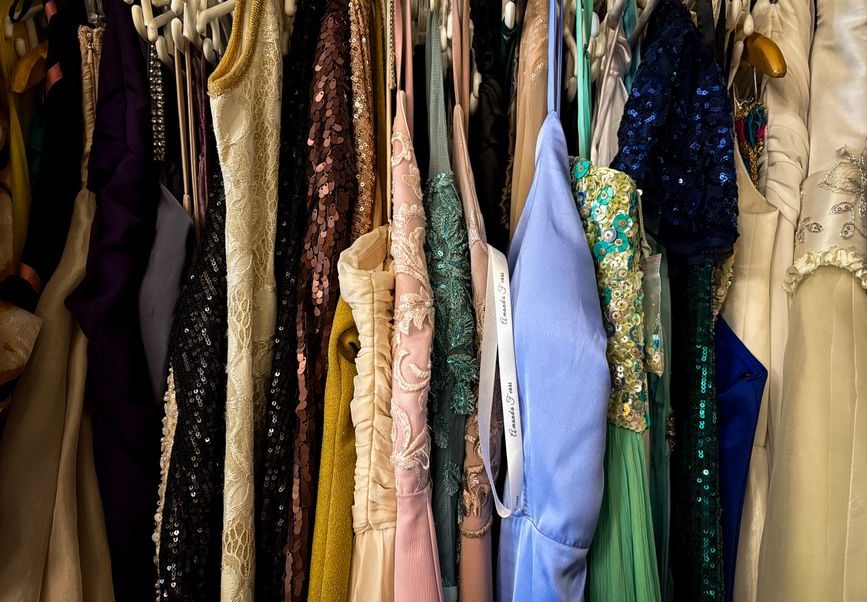
Most people assume a secondhand-only wardrobe means wearing stained sweaters and outdated shoulder pads. I thought the same thing before I started. Twelve months later, I’ve got a closet full of pieces I actually prefer over anything I could buy new. But it wasn’t easy. I wasted money. I bought things that didn’t fit. I almost gave up twice.
Here’s what I learned, exactly how I fixed the common mistakes, and the tools that made the difference.
Why I Ditched New Clothes (and Almost Regretted It Immediately)
The first month was brutal. I walked into a Zara, saw a coat I wanted, and had to walk out empty-handed. I told myself I’d find it secondhand. I didn’t. I spent three weekends scrolling Depop and Vinted, buying three items that all had to be returned because the measurements were off by two inches.
The core problem secondhand shopping solves is simple: you stop funding fast fashion’s waste cycle while getting higher-quality materials for less money. But the real barrier isn’t motivation — it’s the learning curve. You can’t shop secondhand the same way you shop new.
The First Mistake: Shopping Like It’s a Normal Store
New stores have consistent sizing. A size M in Zara is roughly a size M in H&M. Secondhand is chaos. A 1990s Levi’s size 30 waist fits completely differently than a 2010s Levi’s. I learned to ignore the tag and measure every single garment. I bought a soft measuring tape ($4 on Amazon) and kept it in my bag.
The Second Mistake: Ignoring Fabric Composition
I bought a “silk” blouse on Depop that turned out to be 100% polyester. The listing said “silky.” I learned to check the care label photo in every listing. If there’s no fabric tag photo, I message the seller. If they don’t respond, I skip it. Natural fibers — cotton, linen, wool, silk — last decades. Polyester blends pill and fade after a few washes.
The Real Cost: Secondhand vs. New — A Price Breakdown

I tracked every purchase for 12 months. Here’s what the numbers actually looked like.
| Item Type | Average Secondhand Price | Average New Price (Comparable Quality) | Savings |
|---|---|---|---|
| Wool blazer | $35 | $120 | 71% |
| Raw denim jeans | $40 | $150 | 73% |
| Leather boots | $55 | $200 | 73% |
| Cashmere sweater | $25 | $100 | 75% |
| Cotton button-down shirt | $12 | $50 | 76% |
I saved roughly 73% on average. But that’s only true if you factor in the returns and the duds. I returned about 20% of what I bought. Shipping costs ate into savings. The real net savings after fees and returns landed around 55%. Still worth it, but not the fairy tale numbers you see on Instagram.
The Three Platforms That Actually Work (and One That Doesn’t)
Not all secondhand platforms are the same. I tested seven. Here’s the short version.
Depop is best for trendy items and vintage Levi’s. The search filters are terrible, but if you know exactly what you want (e.g., “Levi’s 501 size 30×32”), it works. Prices are higher than other platforms because sellers factor in haggling. Always offer 20% below asking.
Vinted is where the deals are. No seller fees means lower prices. I found a barely-worn Barbour jacket for $45. The downside: no buyer protection on returns for fit issues, so you need to be confident in measurements. I buy only items with multiple photos and clear fabric tags here.
ThredUp is the easiest for basics. Their “Good” condition items are often indistinguishable from new. Returns are $1.99 restocking fee, which is fair. I use ThredUp for work shirts and jeans I know my size in. Avoid their “Premium” section — prices there are often higher than buying new on sale.
The one that disappointed me: Poshmark. The bidding culture is exhausting. Sellers take days to ship. Prices are inflated because of the 20% seller fee. I stopped using it after three months.
When Secondhand Makes No Sense (and What to Buy New)
I’m not dogmatic about this. Some things are genuinely better bought new.
- Sneakers with foam midsoles — Nike React, Adidas Ultraboost, Hoka Clifton. The foam degrades after 300-500 miles. Used ones feel dead. Buy new or lightly used (worn less than 5 times).
- Underwear and swimwear — obvious, but worth saying. Elastic wears out. Stains are common. Just buy new.
- White t-shirts — underarm yellowing and collar ring are nearly impossible to remove. A new Uniqlo Supima cotton tee ($15) beats any thrifted white tee I’ve found.
- Structured blazers with shoulder pads — vintage blazers from the 80s and 90s often have shoulder pads that have collapsed or shifted. Dry cleaning can’t fix that. I’ve had better luck with 2000s-era blazers that have minimal padding.
The tradeoff is real: you save money but spend more time. I spend about 2 hours per week searching and measuring. That’s 104 hours a year. If your time is worth more than $20/hour, the savings might not justify the effort. For me, the environmental benefit made it worth it.
The Maintenance Trap: How to Keep Secondhand Clothes Alive
Secondhand clothes are older. They need more care. I ruined a 1990s wool coat by dry cleaning it too often. Here’s what actually works.
Wash Less, Spot Clean More
I wash wool items once per season unless they’re visibly dirty. For stains, I use a damp cloth with a drop of dish soap. Over-washing is the #1 killer of vintage fabrics. Air drying is mandatory — dryers shrink seams and destroy elastic.
Fix Small Issues Immediately
A loose button takes 5 minutes to sew. A small hole in a cashmere sweater takes 15 minutes with a darning needle. I ignored a frayed hem on a pair of trousers for three months. By the time I took them to a tailor, the repair cost $25 — more than I paid for the trousers. Fix things the day you notice them.
Store Properly
I use cedar blocks ($12 for a pack of 6) instead of mothballs. Mothballs smell like chemical warfare. Cedar works just as well if you sand the blocks every six months to refresh the scent. Knits go folded, not hung — hanging stretches the shoulders out permanently.
The Verdict: Is a Secondhand-Only Wardrobe Worth It?
After 12 months, I own 28 pieces that I actually wear regularly. That’s down from about 60 pieces when I bought new. The quality is higher. The cost is lower. The environmental impact is undeniably smaller.
But it’s not for everyone. If you hate hunting, if you need specific items fast, or if you’re not willing to learn basic mending, you’ll burn out. The people who succeed at secondhand-only wardrobes are the ones who treat it like a hobby, not a chore.
I still buy new socks and running shoes. I still walk into Uniqlo for a white tee twice a year. But for everything else? Secondhand has become the default. Not because it’s trendy. Because it works.