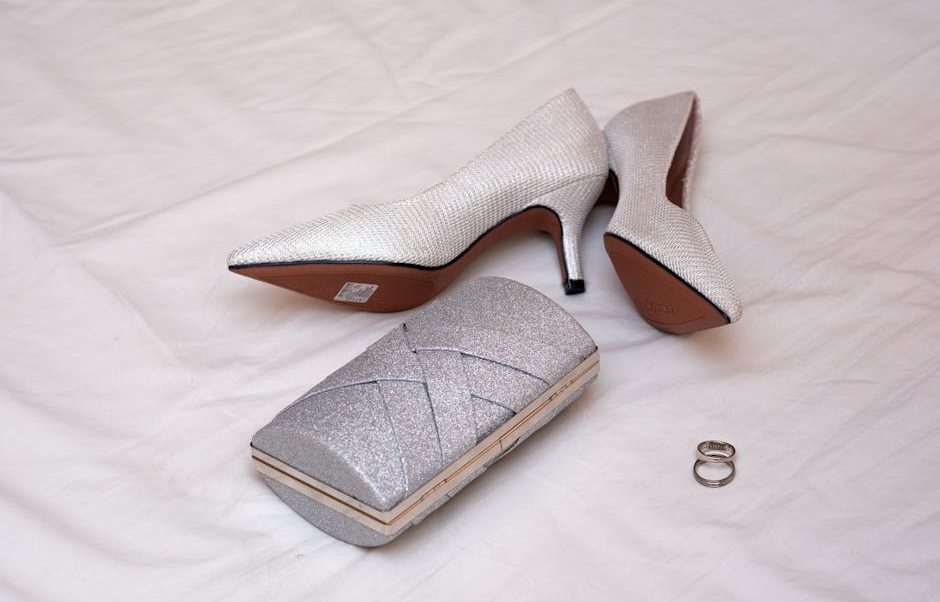
Finding the right footwear often involves a compromise between the aesthetic of a specific designer last and the biological reality of one’s own calcaneal structure. Even when a shoe is technically the correct size, the heel counter—the stiffened posterior portion of the shoe—may fail to grip the back of the foot securely. This leads to vertical displacement during the gait cycle, commonly known as heel slippage. Beyond the annoyance of a shoe that flops, this movement generates shear force against the skin, frequently resulting in painful epidermal abrasions or blisters. Heel grips act as a mechanical intervention to fill the void between the foot and the shoe, increasing friction and reducing unwanted movement. However, the efficacy of these inserts is dictated by material density, adhesive quality, and the specific geometry of the shoe in question.
How to Choose Heel Grips Based on Material and Thickness
The marketplace is saturated with various padding options, yet they are not interchangeable. Selecting the wrong material can actually exacerbate fit issues by pushing the foot too far forward into the toe box, leading to pinched digits. To choose correctly, one must first diagnose the reason for the slip. Is the shoe a half-size too large, or is the heel simply too wide for a narrow foot? The answer determines whether you need a high-volume filler or a high-friction stabilizer.
Silicone and Thermoplastic Elastomers
Silicone gel grips are favored for their low visual profile. Because they are often transparent, they remain nearly invisible in open-back pumps or low-cut flats. From a functional standpoint, silicone offers a high coefficient of friction against bare skin. This makes them ideal for summer footwear where socks are not an option. However, silicone has poor breathability. Under high-heat conditions, sweat can accumulate between the skin and the gel, potentially causing the foot to slide more than it would without the grip. Furthermore, silicone grips tend to be thinner, usually ranging from 1mm to 2mm, making them better for minor fit adjustments rather than correcting a significantly oversized shoe.
High-Density Polyurethane Foam
Foam inserts, such as those made from PORON or standard high-density polyurethane, are the workhorses of the shoe-modding world. These materials are compressible yet resilient. Unlike cheap craft foam, high-quality shoe foam will return to its original shape after every step. These are typically thicker, often 3mm to 5mm, which makes them the primary choice for shoes that are a half-size too big. The fabric covering on foam grips also helps with moisture-wicking, which prevents the "sloshing" sensation common with gel. The trade-off is durability; foam cells eventually collapse under the constant pressure of the heel, requiring replacement every three to six months depending on usage frequency.
Suede and Natural Leather
For those wearing high-end leather loafers or dress shoes, synthetic gel can feel out of place. Suede heel grips provide a more traditional tactile experience. The natural nap of the suede creates a directional friction that allows the foot to slide into the shoe easily but resists sliding out. Leather grips are also exceptionally durable and often feature the strongest adhesives because they are designed for long-term placement in structured footwear. They do not offer much cushioning, so they are best used when the shoe fits well but the material of the heel counter is simply too slick.
Pro Tip: If you are between sizes, always buy the larger shoe and use a foam heel grip. It is much easier to fill volume than it is to stretch a shoe that is fundamentally too short for your foot.
Top-Rated Heel Grips for High Heels and Leather Loafers
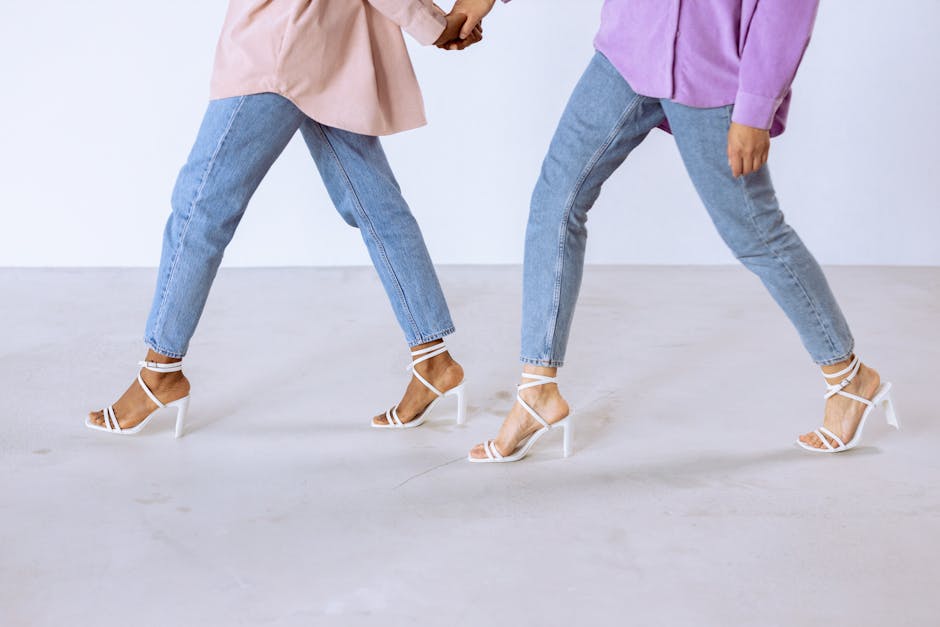
Identifying the best products requires looking past marketing claims and examining the specifications of the adhesive and the density of the core material. A grip that fails after two hours because the glue melted is a liability, not a solution. Below are the most reliable options currently available for various footwear categories, based on material analysis and long-term wear testing.
Foot Petals Heavenly Heelz
These are widely regarded as the industry standard for high heels. Made from PORON, a medical-grade urethane, they do not bottom out over time. They are specifically designed to be slim enough not to alter the fit of a tight evening shoe while providing enough grip to prevent the "heel pop" that occurs when walking in four-inch stilettos.
- Approximate Price: $10.00 per pair.
- Pro: Exceptional durability; the material does not lose its bounce.
- Con: The adhesive is semi-permanent, making them difficult to move between shoes once applied.
Dr. Scholl’s Stylish Step Heel Liners
Dr. Scholl’s offers a mass-market solution that is surprisingly effective for daily office wear. These liners are thinner than most, which is a benefit for users who only have a slight slippage issue. They feature a soft fabric top-cloth that minimizes friction against nylon hosiery, a common pain point for professional women.
- Approximate Price: $6.99 per pair.
- Pro: Very affordable and widely available in drugstores.
- Con: The edges tend to peel up if the shoe is put on and taken off frequently without a shoehorn.
Happystep Suede Heel Grips
For boots and heavy loafers, these suede grips are superior. They provide significant volume, making them the go-to for correcting a shoe that is nearly a full size too large. The real cowhide suede offers a level of grip that synthetic materials cannot match, especially when wearing wool or cotton socks.
- Approximate Price: $12.00 for a 4-pair pack.
- Pro: Excellent value; natural material blends perfectly with leather shoe interiors.
- Con: Adds significant bulk; can make a properly sized shoe feel claustrophobic.
Comparison Summary of Leading Heel Grips
| Brand/Model | Primary Material | Thickness | Best Use Case |
|---|---|---|---|
| Foot Petals Heavenly Heelz | PORON Foam | 3mm | High Heels / Pumps |
| Dr. Scholl’s Stylish Step | Microfiber/Foam | 2mm | Tight-fitting Flats |
| Happystep Suede | Natural Suede | 4mm | Loafers / Boots |
| ViveSole Gel | PU Gel | 2.5mm | Open-back Shoes |
Professional Installation and Maintenance for Shoe Heel Inserts

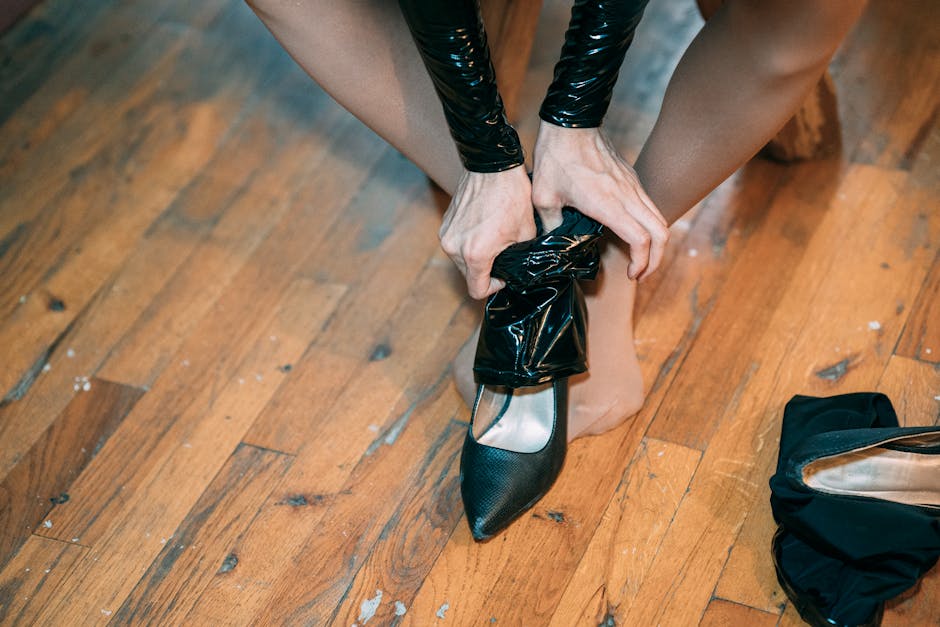
Even the most expensive heel grip will fail if the installation is botched. Most people simply peel the backing and stick the grip into the shoe, only to find it sliding down toward the arch within an hour. The interior of a shoe is a hostile environment for adhesives, characterized by high heat, moisture, and constant mechanical shear. Proper preparation of the surface is the difference between a grip that lasts for a season and one that ruins your socks on day one.
Surface Preparation and Degreasing
The factory finish on the interior of many shoes includes waxes or oils used during the lasting process. These oils prevent adhesives from forming a molecular bond. Before applying a grip, use a cotton ball dampened with a small amount of isopropyl alcohol to wipe the area where the grip will sit. If the shoe has a very high-gloss leather lining, a light scuffing with fine-grit sandpaper (400 grit) can create the necessary surface area for the glue to bite. Ensure the area is completely dry before proceeding; even a hint of moisture will cause the adhesive to cure improperly, leading to a "gummy" residue that is difficult to clean later.
The Precision Placement Method
Do not aim for the very top edge of the shoe. If the grip is flush with the top of the heel counter, it will be visible and will likely be caught by your heel as you slide your foot in, causing it to peel downward. Instead, place the grip approximately 2mm to 4mm below the top edge. Position it so the thickest part of the grip aligns with the narrowest part of your Achilles tendon. Once placed, apply firm, even pressure for at least sixty seconds. Adhesives used in these products are often pressure-sensitive; the force of your thumb actually helps activate the bond. For the best results, let the shoes sit for 24 hours before wearing them. This "dwell time" allows the adhesive to reach its maximum strength.
Addressing Adhesive Failure and Removal
If a grip begins to migrate, it is usually due to heat. In extreme cases, you can reinforce a failing grip with a small amount of specialized shoe cement, though this makes the modification permanent. When it comes time to remove a worn-out grip, do not rip it out forcefully, as this can tear the leather lining of the shoe. Use a hairdryer on a low setting to gently warm the adhesive until it softens. Slowly peel the grip back, using a bit of olive oil or a dedicated adhesive remover to clean any remaining residue. Regular maintenance involves checking the edges of the grips every few weeks; if the top edge starts to curl, it is time to replace them before they cause a blister of their own.
The mechanics of the human gait ensure that the heel will always attempt to lift slightly. By understanding the interaction between different materials like silicone and suede, and by applying them with technical precision, you can bridge the gap between a shoe that fits the "average" foot and a shoe that fits your specific anatomy. The goal is not just to stop the slip, but to create a stable, friction-controlled environment that allows for natural movement without the cost of physical discomfort.