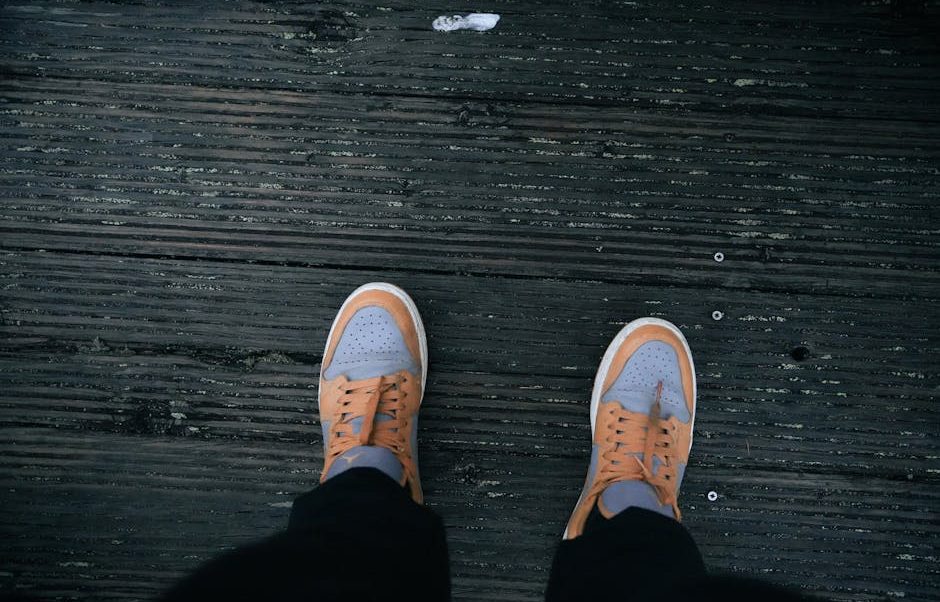
The highest value in the current sneaker market is found within the $120 to $180 price range, where material quality and construction methods reach a point of diminishing returns before luxury branding markups begin. While entry-level options under $90 provide immediate accessibility, the structural integrity of footwear in the mid-tier bracket often results in a lower cost-per-wear over a 24-month period. Identifying the best sneakers for quality and price requires an objective analysis of leather grades, midsole composition, and the specific assembly techniques used by manufacturers to balance production costs with consumer longevity.
The Anatomy of Value: Decoding the Bill of Materials
Price does not always serve as a reliable proxy for quality in the footwear industry. A significant portion of a sneaker’s retail price is frequently allocated to marketing budgets, athlete endorsements, and retail overhead rather than the raw materials or labor involved in production. To find the best sneakers for quality and price, one must look at the Bill of Materials (BOM). For instance, a standard mass-produced sneaker may cost between $15 and $25 to manufacture, yet retail for $150. In contrast, direct-to-consumer brands often allocate a higher percentage of that $150 toward full-grain leathers and margom rubber outsoles.
The concept of value in sneakers is best measured by the lifespan of the outsole and the resilience of the upper material. A sneaker that costs $100 and lasts for six months of daily use has a higher daily cost than a $200 sneaker that remains structurally sound for three years. This analysis prioritizes shoes that utilize high-density polyurethane (PU) or advanced Ethylene Vinyl Acetate (EVA) foams for cushioning, as these materials resist compression set—the tendency of foam to lose its bounce over time—better than the cheaper alternatives found in budget-tier footwear.
The Diminishing Returns of Luxury Sneakers
Once a sneaker exceeds the $400 threshold, the consumer is largely paying for design exclusivity and brand prestige. From a purely technical standpoint, there is very little difference in the leather quality or stitching precision between a $250 premium independent brand and a $600 fashion house sneaker. Both often use the same Italian tanneries and the same Margom-sourced rubber cupsoles. Therefore, for the pragmatic buyer, the “sweet spot” for quality remains well below the luxury ceiling. Beyond this point, you are often paying for “last” development—the specific shape of the foot mold—and the overhead of seasonal runway collections rather than tangible improvements in durability.
Evaluating Entry-Level Models for Maximum Longevity

Finding durable footwear under $115 is increasingly difficult due to rising material costs, but several heritage models continue to offer exceptional value. These models have survived decades not just because of their aesthetic, but because their manufacturing processes have been refined for efficiency without sacrificing basic structural requirements. When shopping in this category, consumers should prioritize models with stitched outsoles over those that are purely cemented (glued), as glue is the first point of failure in cheaper shoes.
| Model Name | Approx. Price | Primary Pro | Primary Con | Key Specification |
|---|---|---|---|---|
| Reebok Club C 85 | $85 | Soft garment leather upper | Minimal arch support | High-abrasion rubber outsole |
| Adidas Stan Smith | $100 | Timeless silhouette | Synthetic upper lacks breathability | Primegreen recycled content |
| Nike Air Force 1 ’07 | $115 | High-density encapsulated Air unit | Heavy weight and prone to creasing | Full-grain and synthetic leather mix |
| Converse Chuck 70 | $90 | Heavy-duty 12oz canvas | Long break-in period for heel | Ortholite insole cushioning |
| Vans Skate Old Skool | $75 | Duracap reinforcement underlays | Flat profile not ideal for high arches | SickStick rubber compound |
Reebok Club C 85: The Baseline for Value
The Reebok Club C 85 remains a benchmark for the sub-$100 category. It utilizes a garment leather that is notably softer than the stiff, heavily coated leathers found on many competitors at this price point. This results in a shorter break-in period and a more comfortable fit for various foot shapes. However, the internal foam is basic EVA, which will eventually bottom out after 12 to 18 months of consistent wear. For a shoe that can often be found on sale for $65, the value is undeniable. The cupsole construction provides lateral stability that modern mesh sneakers often lack.
Nike Air Force 1 ’07: The Heavy-Duty Standard
Retailing at approximately $115, the Nike Air Force 1 ’07 offers a different value proposition. It features a much thicker midsole than the Reebok, housing an encapsulated Air-Sole unit. While the leather used is often heavily finished with a polymer coating to ensure color consistency, the sheer thickness of the material makes it highly resistant to tearing. The primary trade-off is weight; the AF1 is significantly heavier than modern lifestyle sneakers, which can lead to fatigue during extended walking. However, the outsole longevity is among the highest in the entry-level market.
Comparative Analysis of Minimalist Leather Sneakers
The minimalist white sneaker has become a staple of the modern wardrobe, but the price variance in this category is massive. On one end, you have the Common Projects Achilles Low at $400+, and on the other, budget alternatives at $60. The best value lies in brands that replicate the high-end construction—specifically the Margom sole and Italian calfskin—at a fraction of the cost. In this tier, the quality of the lining becomes just as important as the upper, as a leather lining will absorb moisture and prevent the interior of the shoe from degrading.
Beckett Simonon Reid: The Made-to-Order Advantage
Beckett Simonon utilizes a made-to-order business model, which eliminates inventory costs and allows them to sell a $300-quality shoe for approximately $170. Their Reid sneaker features full-grain leather from the Gold-rated tanneries of the Leather Working Group. The construction is Blake-stitched, which is rare in the sneaker world and allows for a sleeker profile and better flexibility. The trade-off is the wait time, which can often span three months. For those who can plan their wardrobe in advance, this represents the single best quality-to-price ratio in the leather sneaker market.
Koio Capri: The Luxury Tier Benchmark
Koio, based in Italy, offers a more immediate purchase experience. Their Capri model, priced between $245 and $295, uses the same Vitello calfskin leather as much more expensive luxury brands. The leather is hand-painted and the edges are hand-finished, reducing the likelihood of fraying. The use of a Margom rubber outsole ensures that the shoe can withstand years of abrasion. While the price is higher, the “cost per wear” over a three-year lifespan often beats out buying three pairs of $100 sneakers that lose their shape within a year.
The Margom outsole is often cited as the gold standard for minimalist sneakers. It is a dense, durable rubber cupsole that is both glued and stitched to the upper, virtually eliminating the risk of sole separation.
High-Impact Performance Sneakers: Beyond the Aesthetic
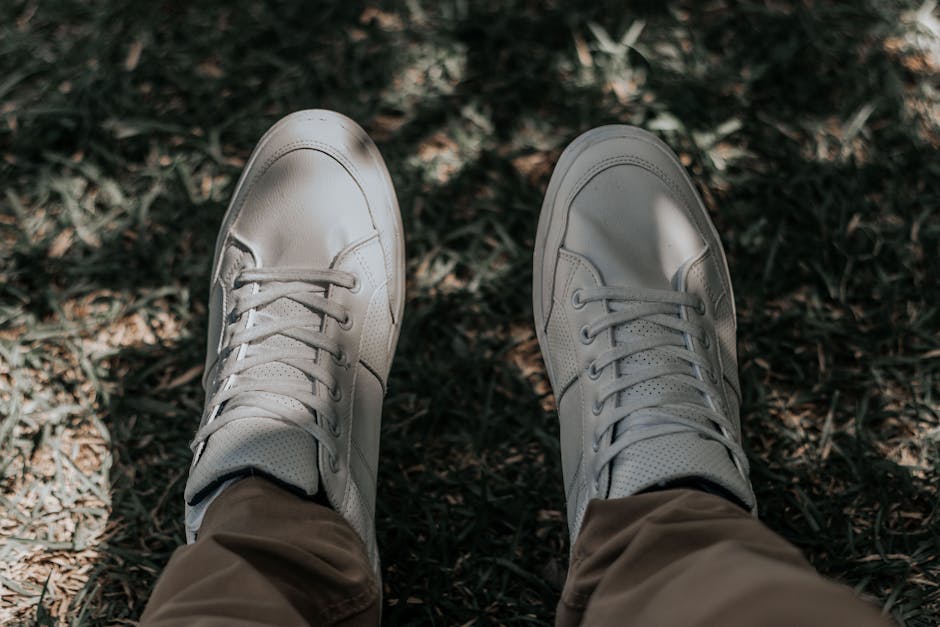
When the criteria for quality shift from material aesthetics to biomechanical support, the leaders change. Daily walkers and those who spend long hours on their feet require sneakers with sophisticated midsole technologies that can withstand thousands of cycles of compression without failing. In this category, New Balance and Asics dominate the value conversation through their use of multi-density foams and stability posts that prevent the collapse of the arch.
New Balance 990 Series: The Investment in Orthopedics
The New Balance 990v6 retails for approximately $200. While this may seem high, the shoe is manufactured in the United States and features FuelCell foam—a high-rebound material typically reserved for elite marathon racing shoes. The inclusion of an ENCAP midsole, which combines a soft core of EVA with a tough polyurethane rim, provides a level of durability and support that cheaper sneakers cannot replicate. The upper utilizes a mix of premium pigskin suede and breathable mesh, which allows for better thermal regulation than all-leather alternatives. For individuals with overpronation or plantar fasciitis, the medical utility of this shoe provides a value that transcends its retail price.
Asics Gel-Kayano: High-Tech Durability
Asics offers the Gel-Kayano line, which currently retails around $160. The integration of GEL technology in the heel and forefoot provides localized shock absorption, while the AHAR (Asics High Abrasion Rubber) outsole is specifically designed to resist wear in high-impact zones. The Kayano 30 features the 4D Guidance System, which works with the movement of the body to provide adaptive stability. Data from long-term users suggests that the Kayano can maintain its structural integrity for 400 to 500 miles of walking, making it a cost-effective choice for active individuals. The primary drawback is the technical, aggressive aesthetic which may not suit all fashion preferences.
Technical Indicators of Sneaker Quality: Materials and Assembly
To evaluate a sneaker’s quality independently of the brand name, one must examine the specific components. A high-quality sneaker is the sum of its parts, and manufacturers who are proud of their quality will usually disclose these specifications. If a brand only lists “leather upper” without specifying the grade, it is likely a lower-quality split leather with a heavy plastic coating that will crack within months.
- Full-Grain Leather: This is the highest quality of leather, featuring the outer layer of the hide. It is durable, breathable, and develops a patina over time. It typically measures 1.2mm to 1.5mm in thickness on premium sneakers.
- Top-Grain Leather: Slightly thinner and more pliable than full-grain, it has been sanded to remove imperfections. It is still high quality but lacks the extreme durability of full-grain.
- Cupsole Construction: The outsole is a “cup” that the upper sits inside. This is then stitched to the upper. It is much more durable than a simple cemented (glued) sole and prevents “delamination” where the sole peels away.
- Stitched Outsoles: Look for a visible stitch running along the perimeter of the sole (often called a Sidewall Stitch). This provides a mechanical bond that glue alone cannot achieve.
- Lining Materials: High-value sneakers often use calfskin or high-quality antimicrobial mesh linings. Avoid cheap synthetic linings that trap heat and lead to rapid odor buildup and fabric tearing at the heel.
Manufacturing location also plays a role, though it is not a definitive indicator. While Italy and Portugal are known for high-end leather craft, many factories in Vietnam and China produce exceptionally high-quality athletic footwear using advanced robotics that ensure consistent stitching and bonding. The key is the quality control (QC) standards set by the brand rather than the geography of the factory floor. Brands that provide “transparency reports” regarding their factory conditions often have higher QC standards as well.
Common Mistakes When Evaluating Sneaker Value
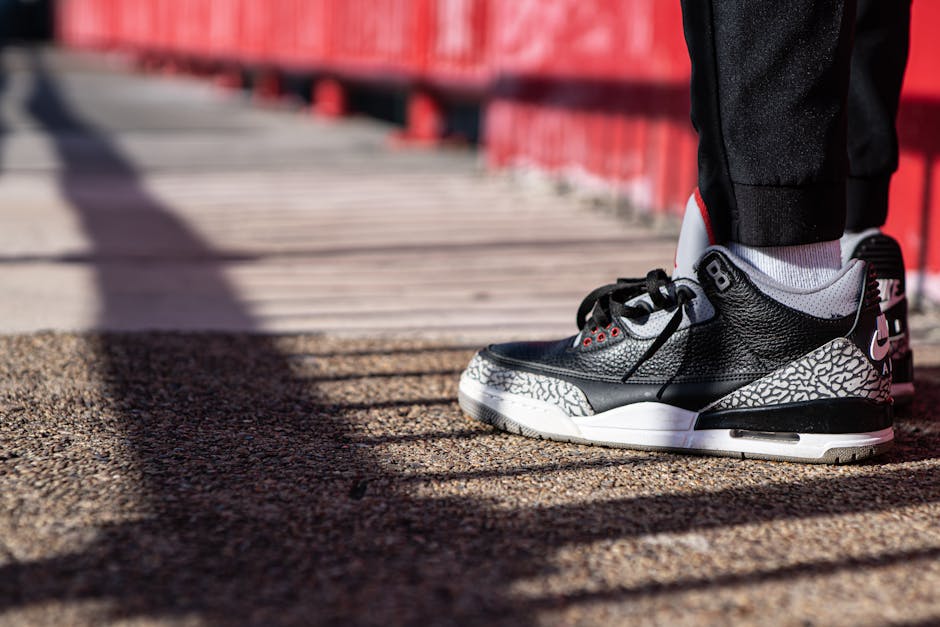
One of the most frequent errors consumers make is equating “softness” with quality. In the retail environment, brands often use low-density foam insoles that feel incredibly plush for the first five minutes of wear. However, these low-density materials collapse quickly under the wearer’s weight. A truly high-quality sneaker may feel slightly firm initially, as it requires a break-in period for the high-density foam or cork midsole to mold to the foot’s unique shape. This firmness is a sign of material density, which translates directly to long-term support.
Another mistake is ignoring the “outsole durometer”—a measure of the hardness of the rubber. Very soft rubber outsoles provide excellent grip but wear down rapidly on concrete. Conversely, very hard rubber can be slippery on wet surfaces. The best value sneakers find a balance, often using a “dual-compound” outsole where harder rubber is placed on the heel and toe (high-wear areas) and softer rubber is placed in the midfoot for better traction and flexibility.
Strategies for Maximizing the Lifespan of Cost-Effective Footwear
The ultimate way to improve the quality-to-price ratio of any sneaker is through proper maintenance. Even the most expensive sneaker will degrade rapidly if neglected. Footwear requires recovery time; the foam in the midsole needs approximately 24 to 48 hours to fully decompress after a full day of wear. Rotating between two pairs of sneakers can actually triple the lifespan of both, as it prevents the permanent deformation of the cushioning materials and allows internal moisture to evaporate completely.
Moisture is the primary enemy of leather and adhesives. Using cedar shoe trees in leather sneakers serves two purposes: it maintains the shape of the shoe to prevent deep creasing and absorbs the moisture that can break down the leather’s fibers from the inside out. For sneakers under $100, which often use thinner leathers, this step is vital for preventing premature cracking at the flex points of the toe box. Crease protectors can also be used, though they may slightly alter the fit of the shoe.
Cleaning should be done with a soft brush and a pH-neutral cleaner. Harsh household detergents or bleach can strip the natural oils from leather, causing it to become brittle, and can weaken the glue bonds holding the sole together. By investing $20 in a basic cleaning kit and $15 in shoe trees, a consumer can effectively lower their annual footwear expenditure by extending the life of each pair. Quality is not just something you buy; it is something you maintain through disciplined care and informed purchasing decisions.