Are you trying to stay warm in late winter without making every outfit look bulky, sporty, or badly proportioned? The fix is not always a thicker coat. A slim thermal base layer can hold warmth close to the body, reduce the need for heavy knitwear, and make tailored clothing sit more cleanly. The strongest late-winter wardrobe uses a thin first layer, one controlled insulating layer, and a weatherproof outer layer. That system gives you warmth you can adjust instead of one oversized garment that fails indoors.
Why thermal basics work better than bulky sweaters
Warmth comes from trapped air
A thermal garment exists to manage the space between your skin and your outer clothing. Its fabric traps small pockets of air, moves sweat away from the body, and keeps cold air from sitting directly against your skin. That sounds technical, but the style result is simple: a fitted base layer lets you wear a normal shirt, blazer, or wool coat over it without adding a second layer of bulk.
Thickness alone does not equal warmth. A loose cotton T-shirt under a chunky sweater can feel cold because cotton absorbs moisture and stays damp. A close-fitting merino or synthetic base layer usually performs better during a commute because it keeps the first layer close to the skin. The outer layers then do the visible styling work.
Late winter changes the temperature problem
Late winter creates wider temperature swings than deep winter. A morning train platform may feel close to freezing, while an office, café, or car may sit above 68 degrees Fahrenheit. A single heavy sweater creates a poor compromise: comfortable outside, overheated inside. A thin thermal top gives you a removable layer, so the coat and sweater do not have to carry the whole warmth load.
My clear verdict: build late-winter outfits around a lightweight thermal base, not an extra-thick middle layer. It gives you better temperature control, cleaner proportions, and more outfit combinations across a changing day.
How to choose a thermal top that looks refined
Choose the thinnest fabric that keeps you comfortable at your coldest regular stop. The goal is a smooth surface under clothing, not visible expedition gear. Weight, neckline, sleeve length, and stretch matter as much as warmth.
Use fabric weight as your first filter
| Fabric or weight | Typical thickness | Best use | Main style risk |
|---|---|---|---|
| Light synthetic | 80 to 130 gsm | Office commutes and mild late-winter days | Shine or visible seams under shirts |
| Merino 150 | About 150 gsm | Long indoor days and travel | Snagging if worn under rough wool |
| Merino 200 | About 200 gsm | Cold outdoor walks and low activity | Too warm under a fitted knit |
| Midweight synthetic | 140 to 180 gsm | Windy commutes and active movement | Athletic seams may show through fine shirts |
Check the visible details before buying
Pick a crew neck when the thermal will sit under a sweatshirt or high-neck sweater. Choose a scoop or V-neck when the top layer has a wide neckline. Cuffs should stop at the wrist bone rather than bunch inside a blazer sleeve. Flat seams reduce ridges under slim clothing, while a slightly longer hem prevents the base layer from riding up when you sit down.
A neutral color is not always the safest color. Black can show under pale knitwear, and white can reflect through a thin cream shirt. Heather gray, taupe, muted brown, and skin-adjacent beige often disappear more cleanly. The verdict is practical: buy for low visibility first, then choose warmth within that limit.
How to build a late-winter outfit in five layers
The most reliable outfit formula moves from body management to weather protection. Each layer should have one job, and the visible layers should still look intentional after the thermal piece comes off.
The five-step sequence
- Start with a close base layer. Choose a smooth thermal top with enough stretch for full shoulder movement. It should touch the body without compressing your ribs or leaving deep marks at the neck.
- Add a visible shirt. An Oxford shirt, fine jersey polo, ribbed long-sleeve top, or lightweight turtleneck gives the outfit its first clear style signal. Leave enough room for the thermal sleeves underneath.
- Use one insulating middle layer. A cardigan, merino crewneck, chore jacket, or unlined blazer adds shape. Avoid combining two thick knits unless the outer coat is deliberately oversized.
- Finish with a weather layer. Choose a wool coat for dry cold, a quilted jacket for light wind, or a water-resistant shell for wet weather. The coat should close without pulling across the chest.
- Balance the lower half. Thermal leggings, tights, or thin long underwear can make a skirt or wide-leg trouser outfit feel warmer, but match their thickness to the shoe opening. Bulky socks inside narrow boots create pressure points.
The quick mirror test
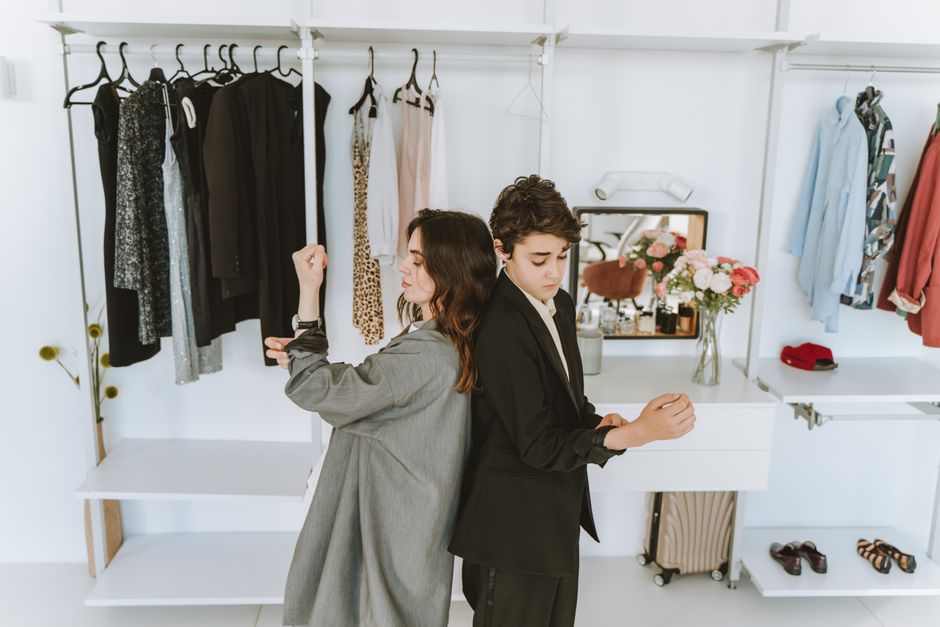
Stand sideways and lift both arms. If the shirt pulls at the armpits, the middle layer is too tight. If the coat falls away from the neck, the base or shirt collar is too thick. Sit down for thirty seconds and check the hem: a successful layered outfit stays smooth at the waist instead of stacking into horizontal folds.
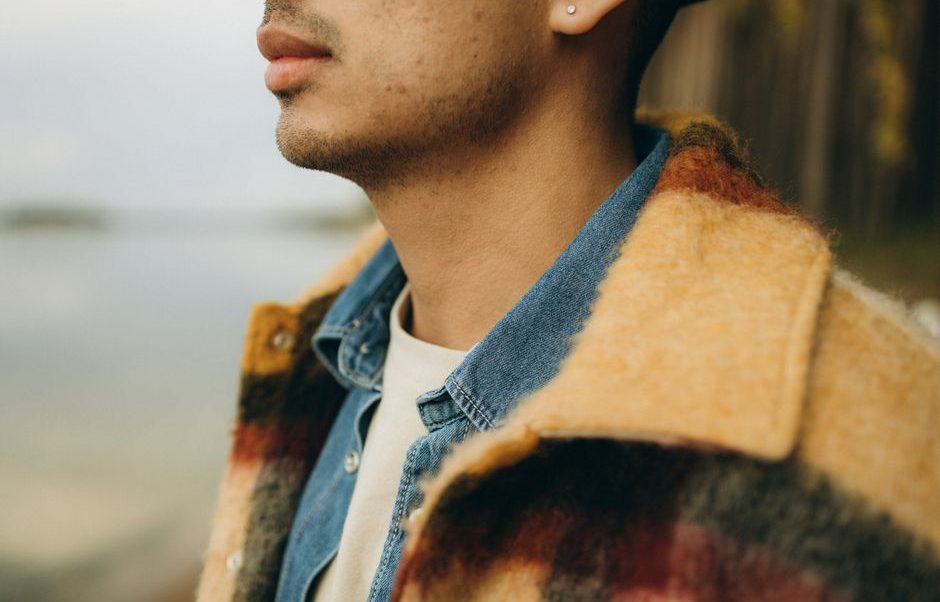
For a polished result, let only one layer make a strong statement. If the coat has a bold texture, keep the base and middle layers quiet. If the sweater has a visible pattern, use a plain coat and simple thermal top.
Which thermal basics earn wardrobe space?
Prices vary by country, retailer, size, color, and sale period, so treat the figures as buying benchmarks rather than promises.
Compare warmth, bulk, and price
| Product | Material or weight | Typical listed price | Best use | Verdict |
|---|---|---|---|---|
| UNIQLO HEATTECH Extra Warm Crew Neck | Heat-retaining synthetic blend | About $30 | Daily errands and office layering | Best value when the budget is tight |
| Patagonia Capilene Midweight Crew | 100% recycled polyester; 176 g | About $89 to $95 | Commuting, walking, and active travel | Best for movement and quick drying |
| Icebreaker Merino 200 Oasis Long Sleeve Crewe | 100% merino wool; 200 gsm | About $115 | Cold outdoor days and repeat wear | Best for odor control and natural fiber comfort |
| Smartwool Classic All-Season Merino Base Layer | Lightweight merino blend | About $90 | Indoor-outdoor temperature swings | Best compromise between softness and versatility |
Make the verdict fit the wardrobe
Choose the UNIQLO top if you need an inexpensive layer for occasional cold spells and mostly wear it under casual clothing. Choose Patagonia if sweat, walking, or cycling makes your base layer damp. Choose Icebreaker when you travel, repeat outfits, or dislike synthetic fabric against your skin. Choose Smartwool when you want merino comfort without committing to the heaviest wool option.
Do not buy a 200 gsm thermal simply because it sounds warmer. If your main use is a heated office, a light merino or synthetic layer will earn more wear. The best purchase is the one that works under your existing shirts and stays comfortable after the temperature rises.
What thermal-layering mistakes ruin the fit?
“Why does my outfit look wider after I add a thermal?”
The usual cause is stacking volume at the wrong points. A thick thermal top, chunky sweater, and padded coat can add bulk across the chest and upper arms at the same time. Replace one thick layer with a smooth lightweight base. If the coat still pulls at the buttons, size up the coat rather than squeezing every layer underneath.
A second cause is a high crew neck under another high crew neck. The collars crowd each other and create a visible ridge. Pair a crew-neck thermal with an open shirt or V-neck knit, or choose a lower neckline under a close turtleneck.
“Why do I feel colder even after adding layers?”
Check the gaps first. Exposed wrists, ankles, neck, and the space between trousers and boots can leak more comfort than a missing sweater. Check moisture next. If the base layer feels damp, the problem is not a lack of insulation; the fabric may be too warm for your activity or too slow to dry.
Another common mistake is buying the wrong size. An oversized thermal creates folds that press against the shirt above it. A very tight one restricts movement and can make the outfit feel colder when circulation suffers. The correct fit is close, smooth, and easy to forget while worn.
“When should I stop adding layers?”
Stop when the next layer reduces movement more than it improves comfort. If you cannot raise your arms, close the coat, or sit without pressure at the waist, remove a layer and change its function. My practical verdict is to replace excess thickness with better wind protection, a scarf, or warmer socks before adding another sweater.