A typical ankle boot has a 5- to 7-inch shaft, while a knee-high boot reaches about 14 to 16 inches. That means the taller style can more than double the visible vertical line of your outfit, even when both pairs have the same color and heel height. Winter boots are not just weather gear. They change where the eye stops, how wide your legs appear, and whether a coat looks balanced. The fix is simple: match the boot height and sole shape to the hemline, fabric weight, and amount of volume above it.
How to choose the right winter boot silhouette
The best winter boot is the one that solves the outfit problem in front of you. Ankle boots keep the leg line open. Knee-highs create a long, uninterrupted column. Lug soles add visual weight, which helps thick coats and wide trousers look intentional instead of oversized. Start with the clothes you wear most, then choose the boot shape that balances them.
Use the shaft height to control proportion
If your wardrobe is mostly straight-leg jeans, cropped trousers, and midi skirts, ankle boots will earn the most wear. If you live in sweater dresses, slip skirts, or slim trousers, knee-high boots create a cleaner line and reduce the cold gap around the calf.
Match the sole to the fabric weight
| Boot type | Typical measurement | Best clothing match | Clear verdict |
|---|---|---|---|
| Ankle boot | 5–7 inch shaft | Straight jeans, cropped trousers, midi skirts | Best everyday choice for a mixed wardrobe |
| Knee-high boot | 14–16 inch shaft | Mini skirts, sweater dresses, slim trousers | Best for creating a long, polished leg line |
| Lug sole boot | 1–2.5 inch sole or heel | Heavy denim, wool coats, cargo trousers | Best when the outfit needs more structure |
| Low-heeled riding boot | 1–1.5 inch heel | Tailored trousers, knit dresses, long coats | Best for comfort without a casual sneaker look |
Choose one dominant weight. A delicate satin skirt with a giant lug sole can work, but only when another item, such as a leather jacket or oversized coat, repeats that strength. Otherwise, a slim leather knee-high is the safer choice.
Why ankle boots look better with a deliberate hem break
For jeans and trousers
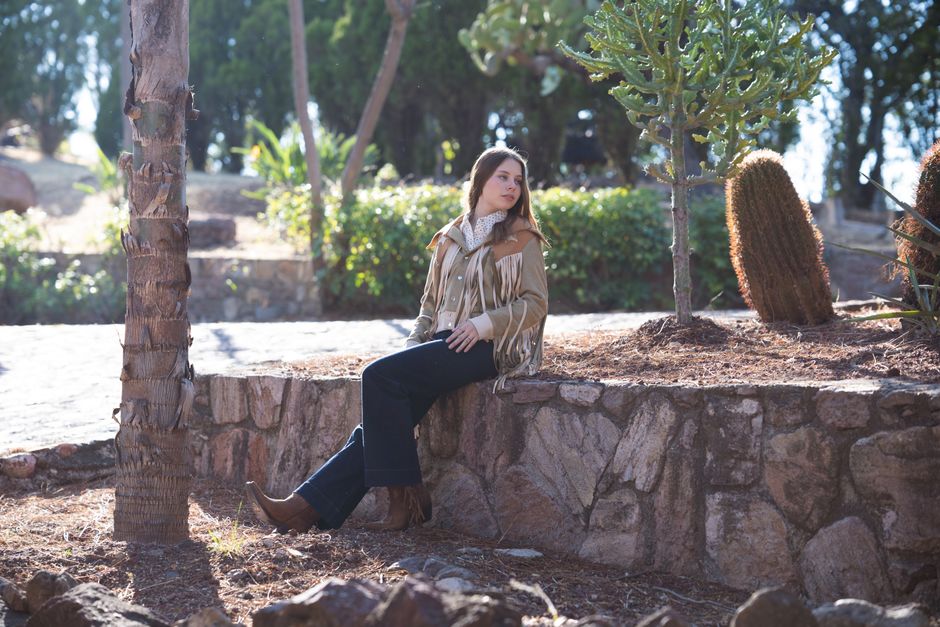
The cleanest ankle-boot rule is to show a narrow strip of sock or skin, or to let the trouser hem touch the boot without bunching. A straight jean that ends one inch above the shaft looks crisp with a low heel; a full-length wide-leg pair should nearly skim the floor and cover most of the boot. Avoid a five-inch gap between a cropped trouser and a tall ankle shaft because it cuts the leg at an awkward point. With black boots, black socks, and dark trousers, the line reads longer. With brown boots, repeat brown in a belt or bag so the contrast looks planned rather than accidental.
For skirts and dresses
With a midi skirt, place the hem two to four inches above the boot opening, or let the skirt cover the shaft completely. The narrow space between hem and boot should look like a choice. A chunky lug boot works best with a heavier knit, denim, or wool skirt; a pointed ankle boot suits fluid satin and fine jersey. The strongest everyday verdict is a black leather ankle boot with a 1.5- to 2-inch heel, a straight dark jean, and a coat that ends below the hip. It gives height, warmth, and enough structure without making the outfit feel dressed up.
How to style knee-high boots without losing balance
My strongest recommendation: wear knee-high boots under a shorter or slim-fitting layer, not beneath a pile of competing volume. The boot already creates a large visual block from foot to knee. The rest of the outfit should give that block room to read clearly. A fitted knit dress, a short wool skirt with opaque tights, or slim trousers tucked inside the shaft will usually look sharper than wide pants folded into a narrow boot.
Build the long vertical line
Choose boots and bottoms in related colors when you want a taller effect. Espresso boots with chocolate tights and a camel coat create a softer column than black boots with bare legs and a pale skirt. The same principle works with denim: dark jeans tucked into dark boots look longer, while a light jean creates a clear contrast and a more casual result. Keep the boot shaft smooth. Wrinkled leather at the calf makes the leg line look shorter.
Use the coat to control volume
A knee-high boot can handle an oversized coat because the lower half remains clean and narrow. It struggles with a bulky sweater dress, a wide scarf, and a large crossbody bag all at once. Remove one layer or keep the accessories quiet. The Vagabond Shoemakers Cosmo 2.0, with its roughly 2-inch block heel, suits a midi skirt when you want height without a sharp stiletto. The Stuart Weitzman 5050 works better for a streamlined wardrobe because its stretch-back design follows the leg instead of adding width. For actual snow and slush, the Sorel Joan of Arctic brings a waterproof suede upper, a felt liner, and a rubber shell; it is the practical winner, but its rounded shape looks best with denim, wool, or a short puffer rather than a delicate office dress.
Know when to skip the tall boot
Do not buy a knee-high pair if most of your trousers are wide, cropped, or designed to sit over shoes. You may spend more time fighting hems than wearing the boots. In that wardrobe, a clean ankle boot will produce more outfits and fewer proportion problems.
Five winter boot mistakes that ruin an outfit
- Leaving an accidental gap. A large strip of bare calf between a midi hem and an ankle boot can make a warm outfit look unfinished. Add opaque tights, choose a taller boot, or change the hem.
- Pairing every thick coat with a thick lug sole. Heavy boots need one repeat above the waist, not five. If the coat is oversized, keep the trousers straight and the bag compact.
- Tucking wide trousers into narrow shafts. Fabric bunches at the calf and creates bulk in the wrong place. Wear wide trousers over ankle boots or choose a roomy boot designed for tucking.
- Ignoring sock thickness. A boot that fits over a thin summer sock may pinch with thermal wool. Test boots with the socks you will actually wear and leave about a thumb of space in front of the longest toe.
- Buying fashion height without a walking plan. A 3-inch heel can look elegant in a photo and become a bad purchase after ten minutes on icy pavement. For daily winter walking, choose a stable block heel under 2 inches and a rubber outsole with visible tread.
The most common failure is not a bad boot. It is a mismatch between the boot’s visual weight and the rest of the clothing. Fix the hem, sock, or coat before replacing the entire outfit.
Which winter boot should you buy for your wardrobe?
Are ankle boots the best first pair?
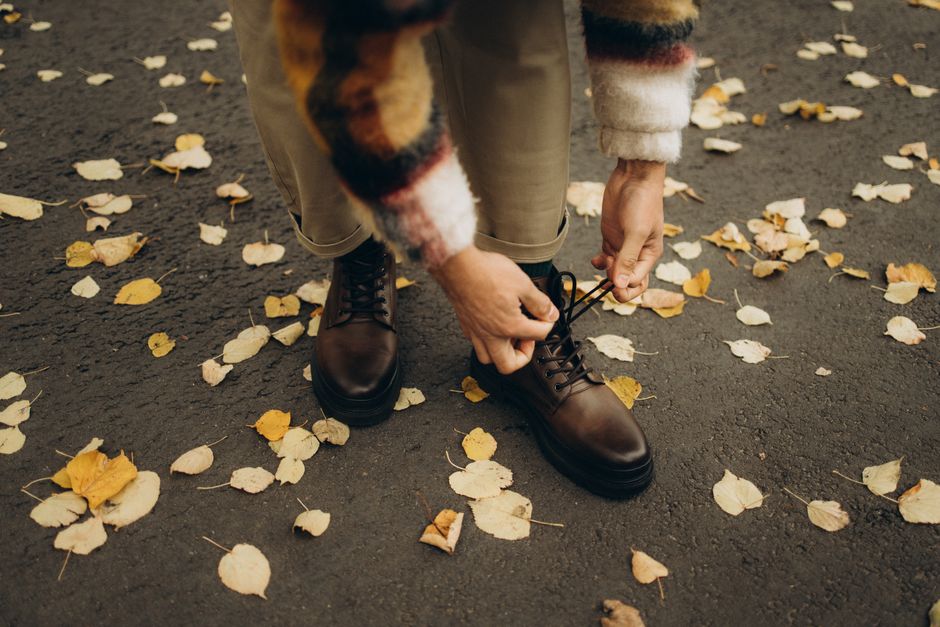
Yes, for most wardrobes. The Blundstone 585 Classic Chelsea is the strongest casual option if you want a pull-on boot, elastic sides, a low heel, and a leather upper that works with jeans and utility trousers. It usually sits around the $230 mark, so it is not the cheapest choice, but its simple shape avoids the dated look that some heavily decorated winter boots create. For a sharper outfit, the Dr. Martens 2976 Bex Chelsea adds a platform sole of roughly 1.5 inches and costs about $180. Pick it when your coats and trousers need more visual weight.
When is a lug sole worth buying?
Buy one when your clothes already include thick denim, oversized outerwear, or relaxed tailoring. The Dr. Martens pair is the clear style winner for city outfits because its sole gives cropped trousers a firm finish. Do not choose it as your only boot for formal skirts or delicate dresses. The sole may be comfortable and weather-ready, but it can overpower soft fabrics.
What is the final winter boots styling verdict?
For a mixed wardrobe, buy a black or dark-brown ankle boot with a stable 1.5- to 2-inch heel and a rubber tread first. Choose knee-high boots next if you wear dresses and slim trousers at least twice a week. Add a lug sole only when your outerwear and denim can support its weight. The best all-round route is the Blundstone 585 for casual daily wear, the Dr. Martens 2976 Bex for a stronger streetwear line, and a streamlined knee-high for polished outfits. That order gives you the most useful proportions before you spend money on a niche silhouette.